An editorial assessment of documented capabilities and ownership trade-offs. This is not a hands-on test result or a measurement of reliability.
Task capability 30%7.6
Rotating pads and a rubber roller provide active cleaning in a smaller ownership setup.
Navigation & control 20%7.7
3DAdapt and ultrasonic carpet detection support useful control, constrained by a 7 mm lift.
Ownership & upkeep 20%6.6
Owner-managed bin, pads and water reduce aftercare autonomy.
Setup & usability 15%8.3
Simple docking is approachable, though manual wet-care discipline is essential.
Documentation & support clarity 15%8.3
Official tank, lift and mop details make the principal limitations clear.
Compare scores within the same product category. Small decimal differences should not override your needs or the evidence limits.
How the Standpoint Score works
We score five aspects of the documented product on a 0–10 scale, then calculate a weighted total:
- Task capability30% of the total
- Navigation & control20% of the total
- Ownership & upkeep20% of the total
- Setup & usability15% of the total
- Documentation & support clarity15% of the total
This product’s 7.6/10 is a provisional research assessment. It does not claim measured performance, tested reliability or a verified customer satisfaction rate. Compare it with products in the same category, and read each criterion’s reasoning above.
Read the full rubric and score bands ↗The ownership case.
An interesting compromise between basic drag-cloth robots and full wash-dock systems; its usefulness depends on whether the owner accepts the manual aftercare.
Reasons to consider it
- Active rotating mop hardware
- Lift and carpet detection features
- Less dock infrastructure than an Ultra package
Go in knowing
- Only 7 mm of advertised mop lift
- Owner manages pad washing and bin care
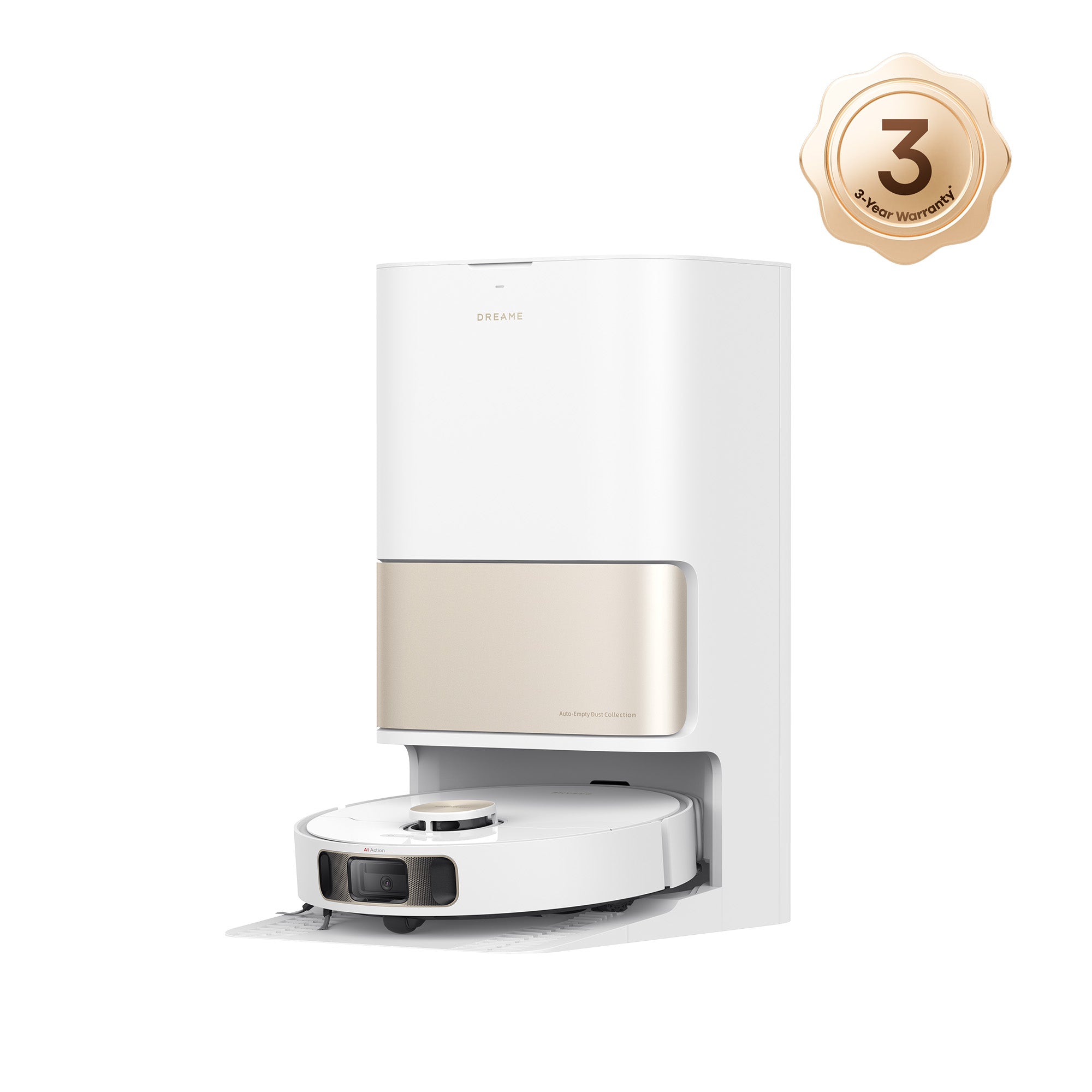
- Very similar name to the full-station Pro Ultra
The specification sheet.
Published specifications from the linked sources. Configurations and availability can differ by country.
- Advertised suction
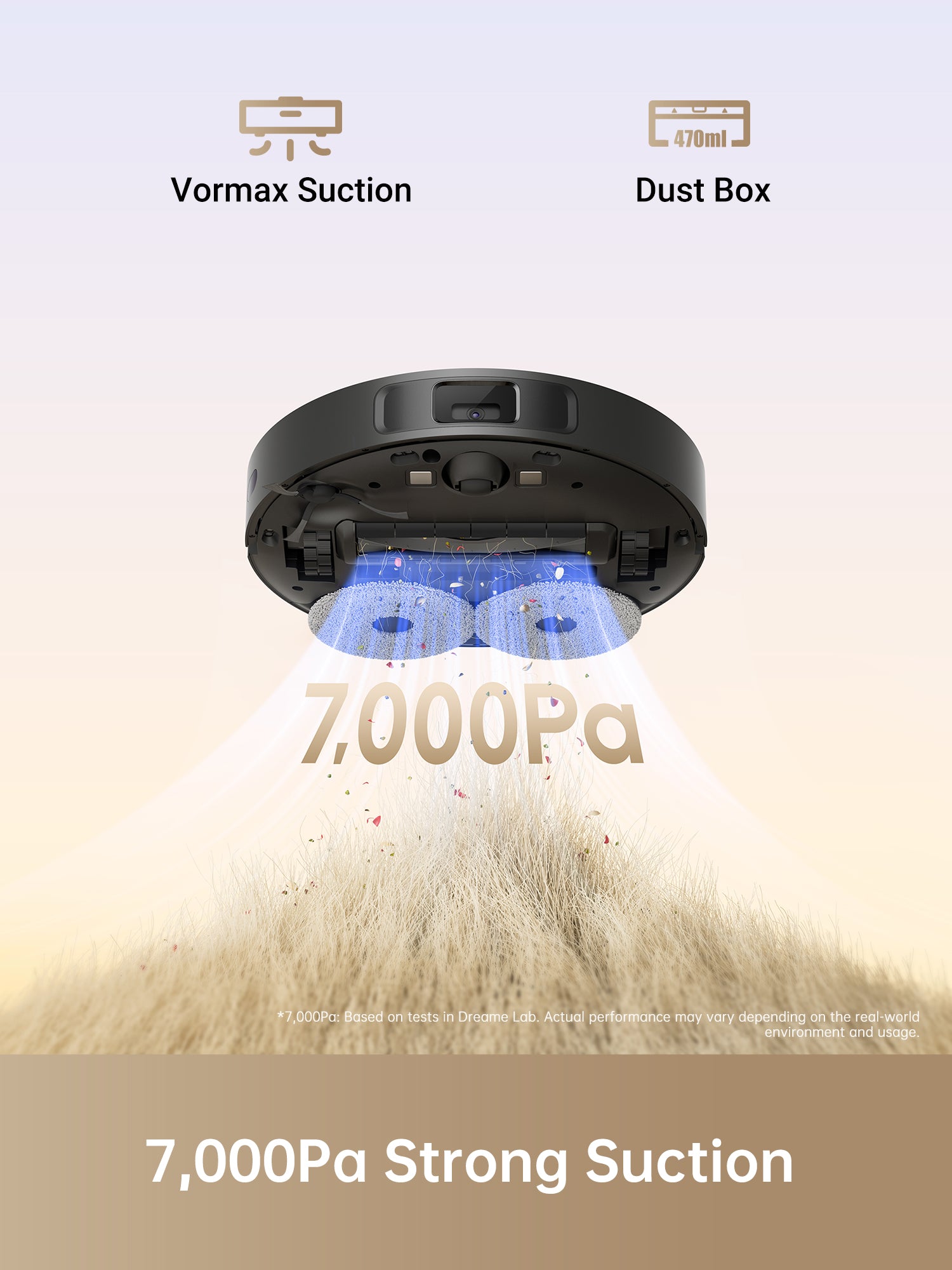
- 7,000 Pa
- Mopping
- DuoScrub rotating pads
- Water tank
- 300 mL
- Mop lift
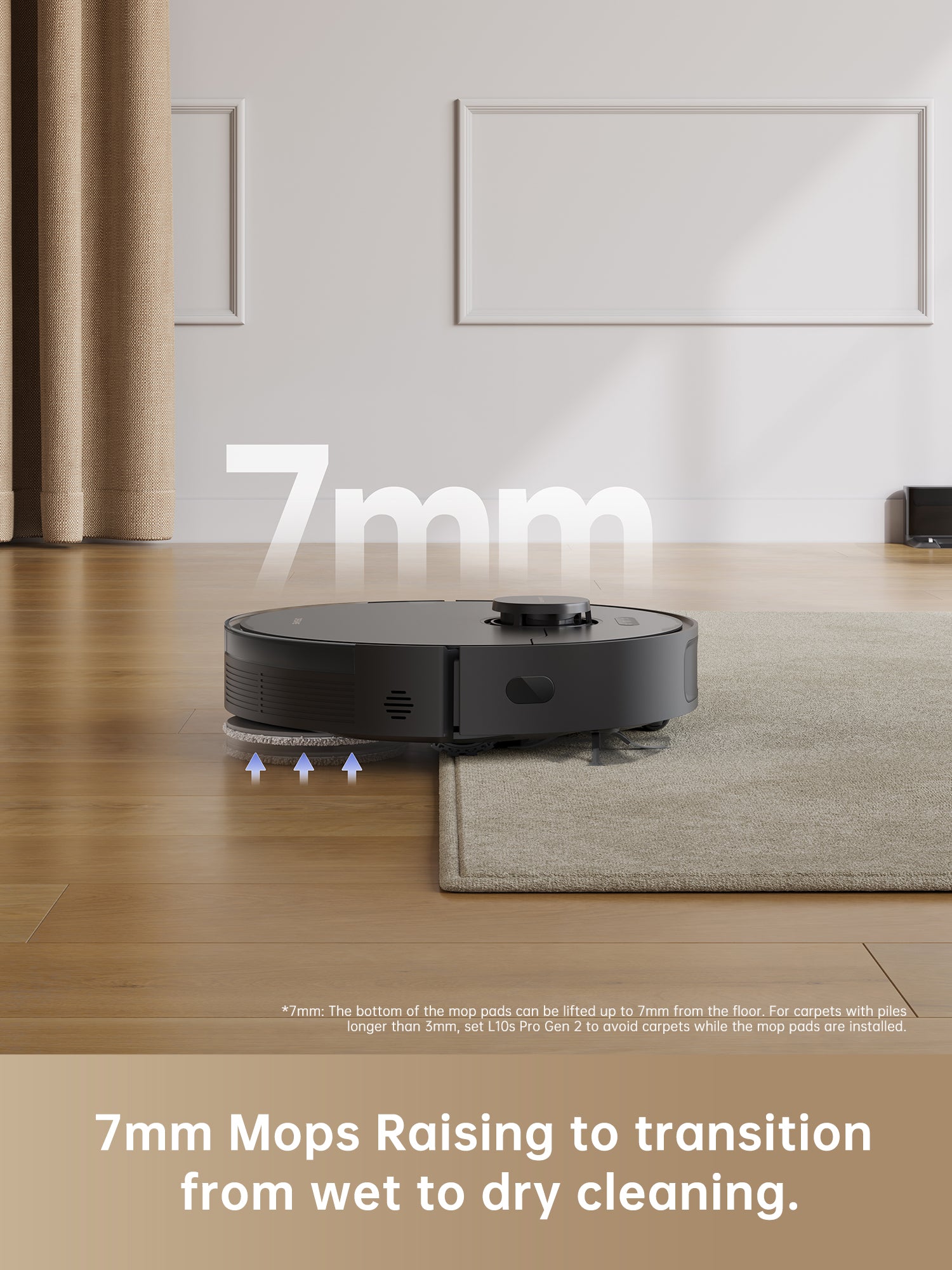
- 7 mm
- Obstacle system
- 3DAdapt; ultrasonic carpet detection
A different answer to the station question
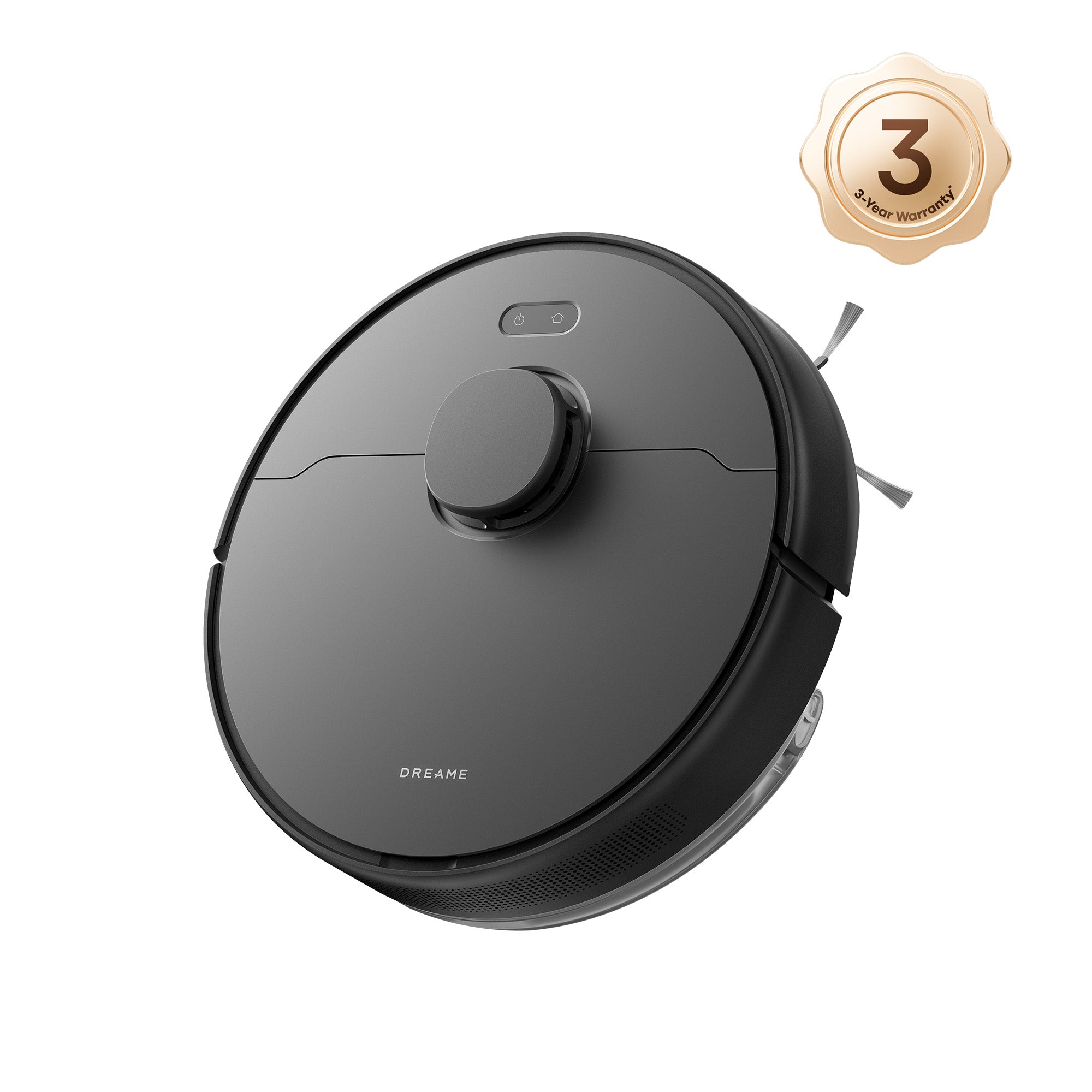
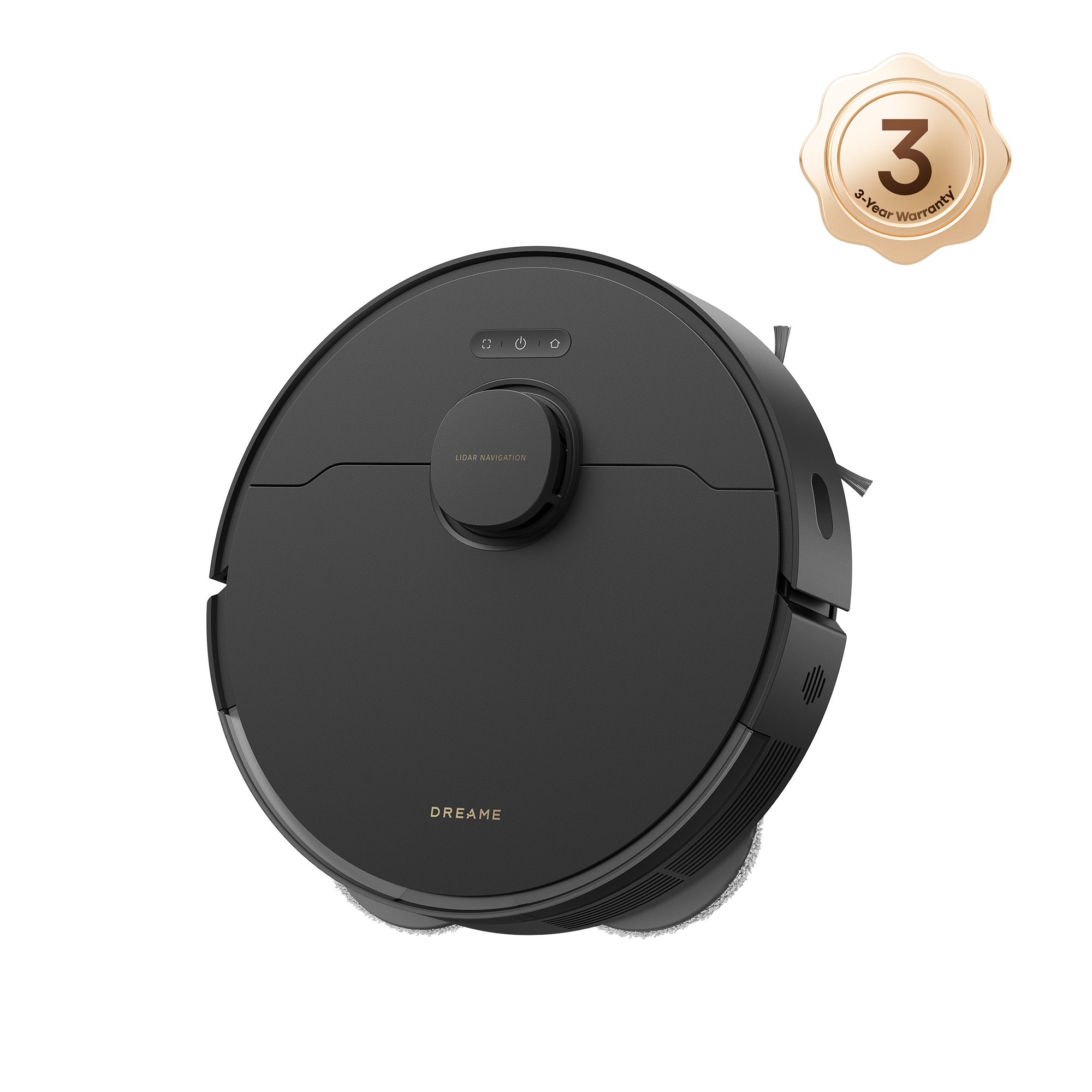
L10s Pro Gen 2 combines active wet-cleaning hardware with a comparatively owner-managed maintenance routine. That makes it interesting for someone who wants more than a passive drag cloth but lacks the space or desire for a large water station. The owner trades dock automation for a more direct role in preparing pads, managing water and emptying collected debris. This is not the same product as L10s Pro Ultra. The distinction should be clear before any price comparison. A robot can have a sophisticated mop mechanism while still requiring substantial aftercare, and the right buyer must be comfortable with both parts of that equation.
DuoScrub provides agitation, not self-maintenance
The paired rotating pads are intended to scrub rather than merely wipe as the robot moves. That is a meaningful hardware difference for dried marks, but pad condition remains crucial. If the textile becomes loaded with dirt, continuing to rotate it does not restore a clean contact surface. Plan a realistic area for each preparation and inspect the pads during early sessions. A kitchen or entry hall may be a sensible task; a heavily soiled entire level could need intervention. We have not tested stain removal, so the mechanism earns interest without a performance score. Inspect the dry floor for residue and streaking before deciding whether the routine is successful.
Seven millimetres demands caution around rugs
The stated 7 mm mop lift gives a specific reason to be deliberate about carpet handling. It may help with suitable low surfaces, but it is not generous clearance for every pile or uneven edge. Ultrasonic carpet detection identifies the surface; it does not guarantee that damp textile remains clear of all fibres. Watch a transition with freshly wet pads and inspect the rug afterwards. Valuable, deep-pile or moisture-sensitive rugs may be better excluded from a combined task. A separate vacuum routine can be more appropriate than trying to maximise convenience at the expense of surface protection. The floor's requirements should determine the mode.
Tank capacity needs an ordinary cleaning plan
The 300 mL tank is part of the documented specification, but usable area depends on water setting, route, surface and repeat passes. Do not convert a tank volume into a guaranteed whole-home coverage figure. Start with a selected hard-floor zone, confirm that the pads remain appropriately damp and check the finish after drying. Refill only as directed and avoid incompatible cleaning chemicals. Because there is no full automatic wet-care station in this configuration, the owner must plan the end of the task as well as the beginning. A robot left with dirty wet pads after a successful run has not completed a sustainable cleaning routine.
Vacuuming and obstacle handling still matter
Dreame specifies 7,000 Pa suction, an all-rubber roller and 3DAdapt avoidance. Those features aim to make dry cleaning and navigation useful alongside the mops. Test them independently: a carpet-only vacuum run says more about pickup than watching a combined task on tile. Inspect hair around the roller ends and the small wheels, and keep cords and soft fabric out of the route. Obstacle sensing should reduce intervention, but a furniture cluster can still leave uncleaned pockets or cause a stalled path. The best setup is a clear map and an achievable task, not an expectation that the robot can interpret every changing household object correctly.
A deliberate compromise can work
Compare this model with D9 Max Gen 2 if basic wet wiping is enough, and with L10s Pro Ultra if automatic pad washing would determine whether the robot gets used regularly. The extra station is not just a luxury when daily mopping is the goal; conversely, it may be unnecessary for a small area cleaned occasionally. Our missing evidence is stain removal, rug clearance in practice and the total minutes of manual care per week. L10s Pro Gen 2 has a coherent place in the range for an involved owner. It is a poor fit for someone who interprets active mopping as a promise of hands-free wet maintenance.
Active mops with an involved owner
A dedicated pad-care arrangement makes more difference to Pro Gen 2 ownership than an elaborate app schedule. Keep a compatible clean pair ready, prepare the 300 mL water system as directed and choose a manageable hard-floor area. Inspect the pads after the task, wash them correctly and allow them to dry before storage or reuse. If the floor is heavily soiled, be willing to intervene rather than dragging loaded textile through every room. The robot provides agitation and movement, while the owner supplies the clean starting condition and aftercare. That is a legitimate division of work, but it should be tested honestly. If the manual steps are skipped after the first week, a full washing dock may be a better fit than a more intensive mode on the same machine.
The 7 mm lift is a specific constraint to build into the map. Test the lowest rug first with genuinely wet pads and examine both the leading edge and the fibres after crossing. A carpet sensor can work correctly while the pile still contacts damp fabric. Deep, fringed or valuable rugs may need to be excluded during wet tasks and vacuumed separately. Also check lightweight kitchen mats that can fold under the rotating pads. The water setting should follow the floor finish, not the maximum tank capacity. A 300 mL reservoir says nothing by itself about how much moisture a damaged laminate seam can tolerate. Begin conservatively, inspect after drying and reserve stronger wet cleaning for surfaces whose care instructions permit it.
For dry pickup, establish a separate baseline on the actual carpet with the mop handled appropriately. Inspect the all-rubber roller, filter and bin, and note any hair left at the ends or small wheels. The 3DAdapt system should be observed with normal furniture and harmless clutter, while cables and soft trailing items are removed. Keep the charging approach consistent and give household members clear rules about which routine is wet. Canadian purchasers should confirm that the exact Pro Gen 2 parts are stocked and distinguish it from Pro Ultra when arranging service. The purchase decision should be based on active scrubbing in a smaller setup with acceptable manual work. If the owner really wants pad washing eliminated, a similar model name does not change the fact that this configuration allocates that job to the person.
Sources & further reading.
These are the sources behind this research review. Manufacturer claims are not independent performance measurements. Community accounts, when cited, describe individual experiences.
Documentation reviewed: 9 October 2026. Product software and regional bundles can change. Corrections and editorial disclosures.