 01Standpoint Score8.3/10Not tested
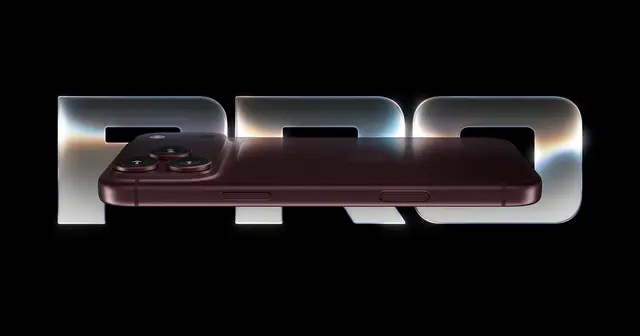
Apple iPhone 18 Pro
Buy the iPhone 18 Pro for its manual aperture, shutter and white-balance controls, not the badge; if your current phone already takes the photos you want, wait.
Cameras, connections and the upgrade decision. 24 reviews, every one scored and sourced.
 Standpoint Score8.8/10Not tested
The S25 Ultra is the phone to buy if you will actually use the pen, the 5× lens and the seven-year update promise; if you just want the top badge, it is a lot of phone to carry for nothing.
Read the reviewShowing 1–24
24 research reviews (not tested)01Standpoint Score8.3/10Not testedBuy the iPhone 18 Pro for its manual aperture, shutter and white-balance controls, not the badge; if your current phone already takes the photos you want, wait.
 02Standpoint Score8.3/10Not tested
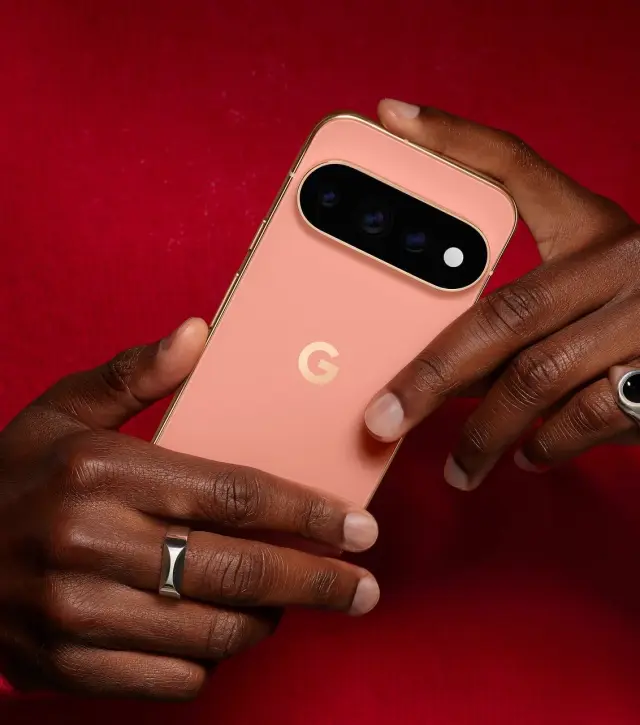
The Pixel 11 Pro is the compact Android flagship to buy for its 5x telephoto and seven years of updates; the assistant features are a bonus to configure, not the reason to pay.
 03Standpoint Score6.9/10Not tested
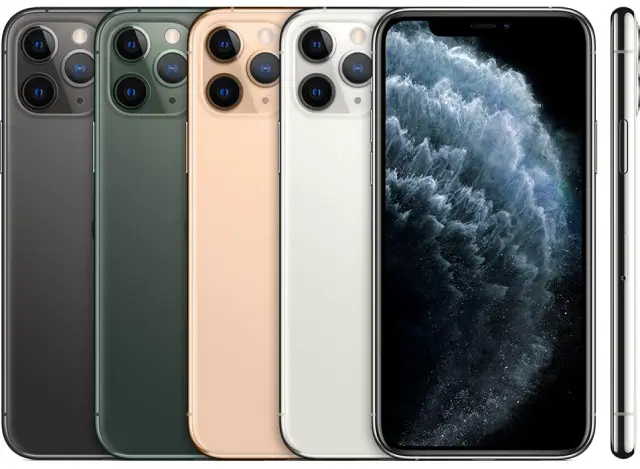
The 11 Pro is the only small iPhone with a real telephoto lens, which is a good reason to buy one and the Pro badge is not; the used OLED and battery decide whether it is a bargain or a repair bill.
 04Standpoint Score6.8/10Not tested
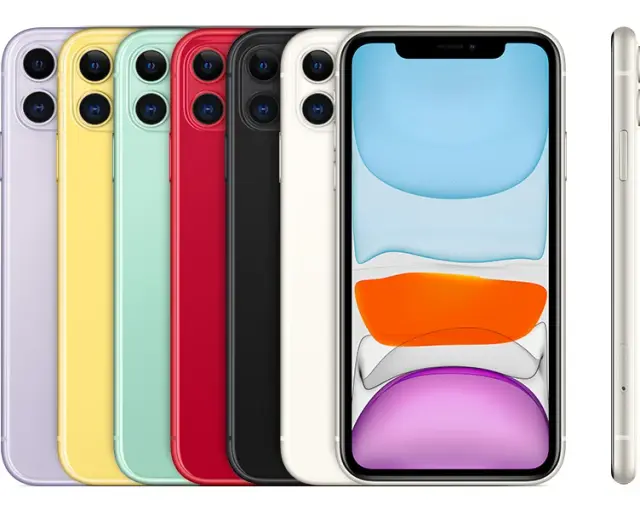
The iPhone 11 is still a sensible cheap way into an iPhone household for light use, but at this age the individual phone matters far more than the model, and one exhausted battery wipes out the savings.
 05Standpoint Score7.0/10Not tested
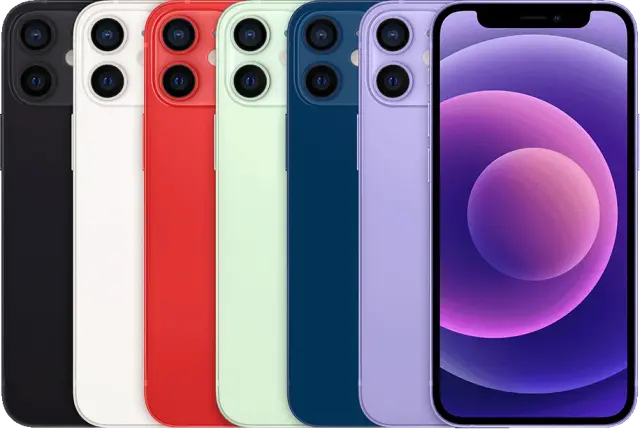
The 12 mini is worth buying only if a narrow, 135-gram phone solves a real problem for you; if it does, the 13 mini is the comparison you cannot skip.
 06Standpoint Score7.3/10Not tested
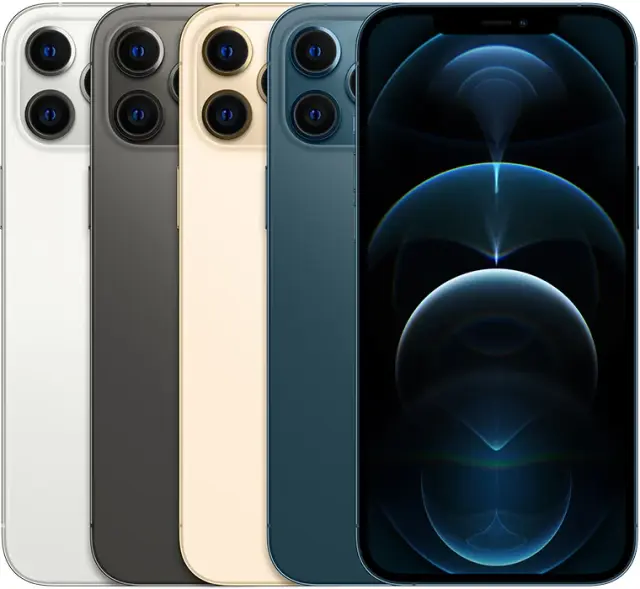
The 12 Pro Max is a camera purchase that happens to be a 228-gram phone: buy it for the 2.5× telephoto, sensor-shift stabilization and the big preview, not for a four-year-old flagship label.
 07Standpoint Score7.2/10Not tested
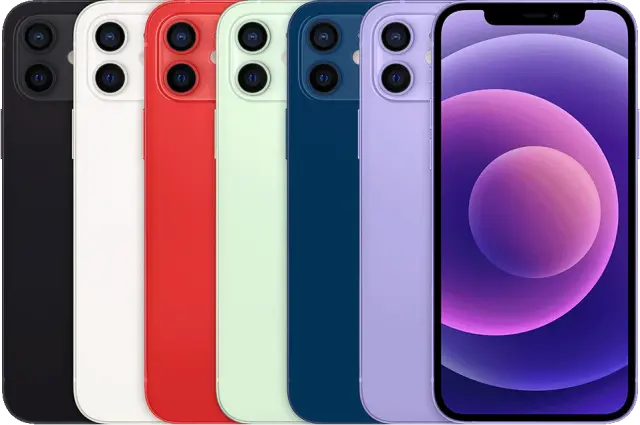
The iPhone 12 is the cheapest iPhone with OLED, 5G and MagSafe, which is a real step up from the 11, but the used screen and battery now matter more than any of those launch features.
 08Standpoint Score7.5/10Not tested
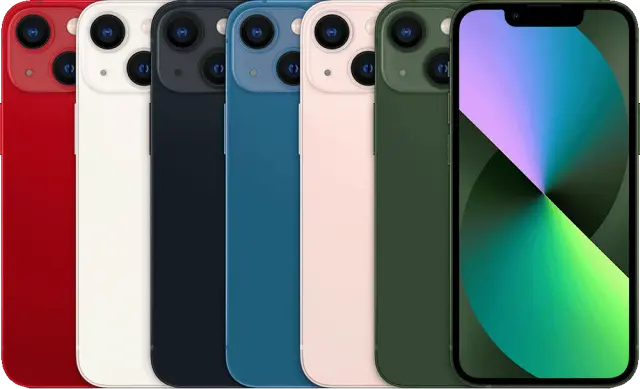
The 13 mini is the small iPhone that makes sense: 128 GB to start, Notebookcheck's 14-hour Wi-Fi result against the 12 mini's 11, and the same cameras as the regular 13, as long as you buy on condition rather than scarcity.
 09Standpoint Score7.8/10Not tested
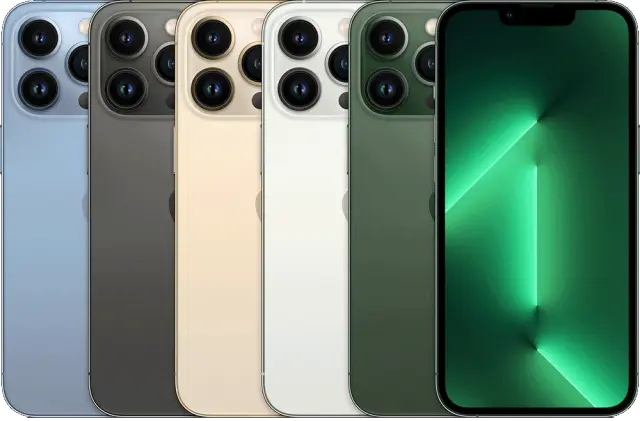
The smaller 13 Pro still earns its premium with a 3× telephoto, two-centimetre macro, ProRAW and a 120 Hz screen, but the 128 GB model cannot shoot 4K ProRes and no 13 Pro gets Apple Intelligence, so buy the configuration, not the name.
 10Standpoint Score7.6/10Not tested
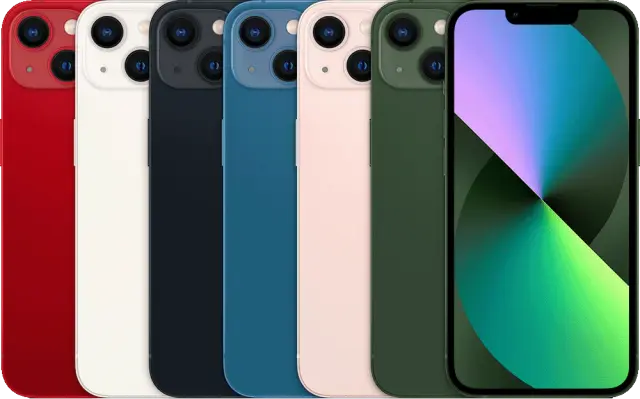
The iPhone 13 is the sensible used iPhone: 128 GB to start, OLED at a normal size, two everyday cameras and no Pro-era repair risks, as long as the battery and screen on the specific unit check out.
 11Standpoint Score7.7/10Not tested
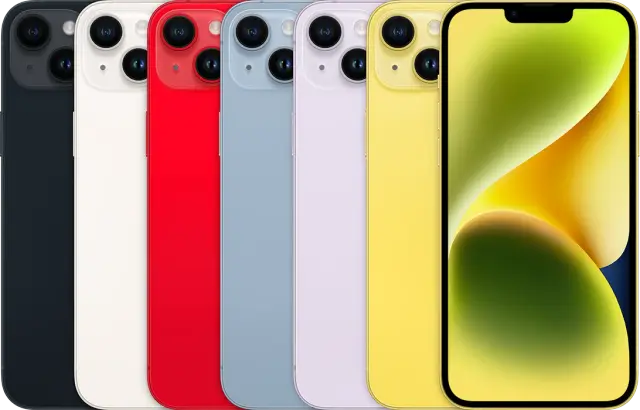
The 14 Plus is the big iPhone for readers and video watchers, not a cheap Pro Max: Tom's Guide clocked nearly 12 hours of browsing, but the screen is 60 Hz, there is no telephoto, and a rear-camera service programme and US eSIM-only hardware make the exact unit matter.
 12Standpoint Score7.9/10Not tested
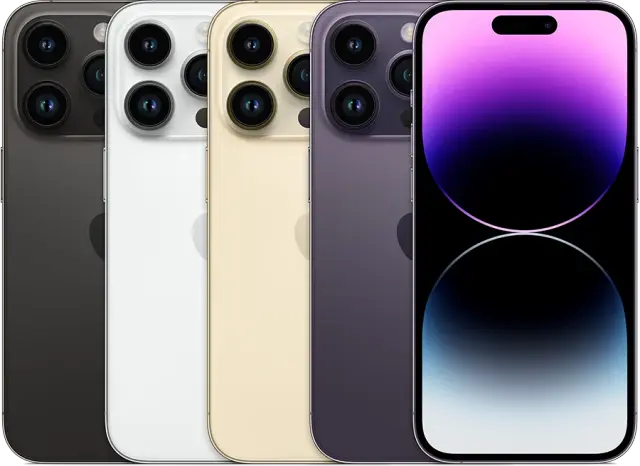
The 14 Pro is worth a used premium for its 48 MP main camera, 3× telephoto, ProMotion and Dynamic Island, but only if you will use them; Lightning and the 128 GB ProRes ceiling shape what it is really worth.
 13Standpoint Score7.8/10Not tested
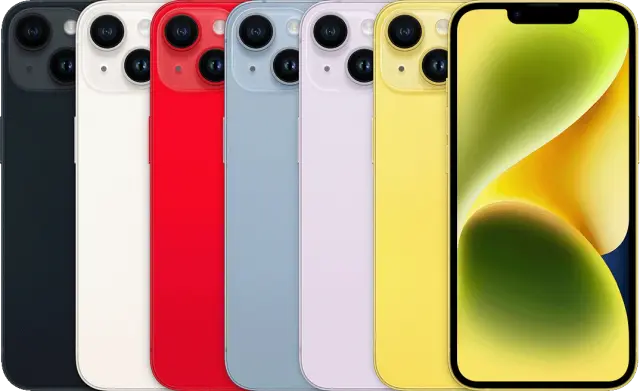
The iPhone 14 adds 4K Cinematic and Action mode to the familiar 6.1-inch iPhone, but if the unit came from the US it has no SIM tray, which makes the regional model the first thing to check and not the last.
 14Standpoint Score8.4/10Not tested
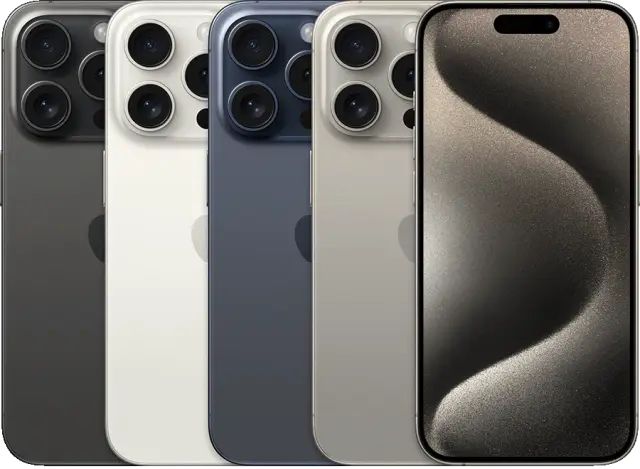
The 15 Pro is the older iPhone to buy for a real production workflow: USB 3 at up to 10 Gb/s, 4K/60 ProRes to an external drive and Log recording, with a 3× telephoto rather than the Pro Max's longer lens.
 15Standpoint Score8.1/10Not tested
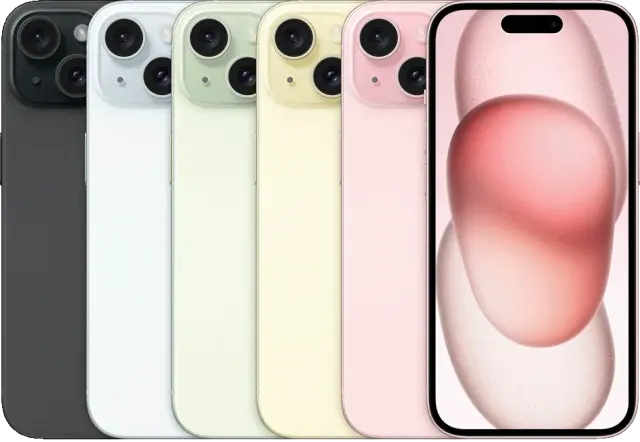
The iPhone 15 is the USB-C iPhone for people who are not creators: Tom's Guide got 11 hours in its battery test and liked the 48 MP main camera, but the port is USB 2, the screen is 60 Hz and Apple Intelligence never arrives.
 16Standpoint Score6.4/10Not tested
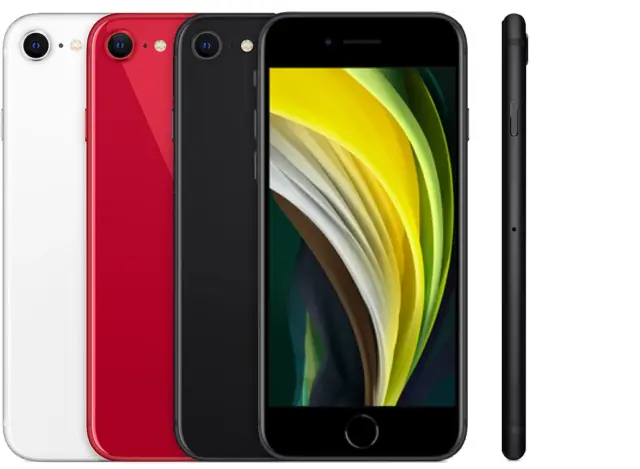
The 2020 SE is for people who want a Home button and Touch ID and nothing else; at this age, battery service and current app support decide whether it is a cheap phone or a false economy.
 17Standpoint Score7.0/10Not tested
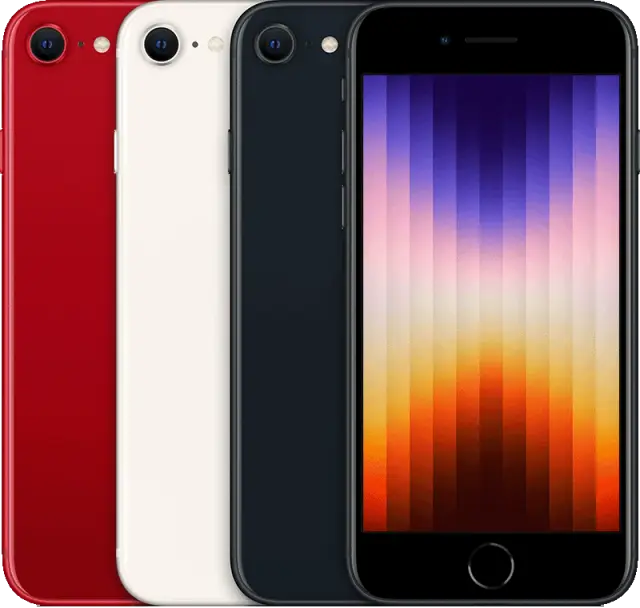
The 2022 SE is the Home-button iPhone that still makes sense: an A15 and sub-6 GHz 5G inside a body that looks identical to the LTE-only 2020 model, so check the generation before you check the price.
 18Standpoint Score8.8/10Not tested
The S25 Ultra is the phone to buy if you will actually use the pen, the 5× lens and the seven-year update promise; if you just want the top badge, it is a lot of phone to carry for nothing.
 19Standpoint Score7.8/10Not tested
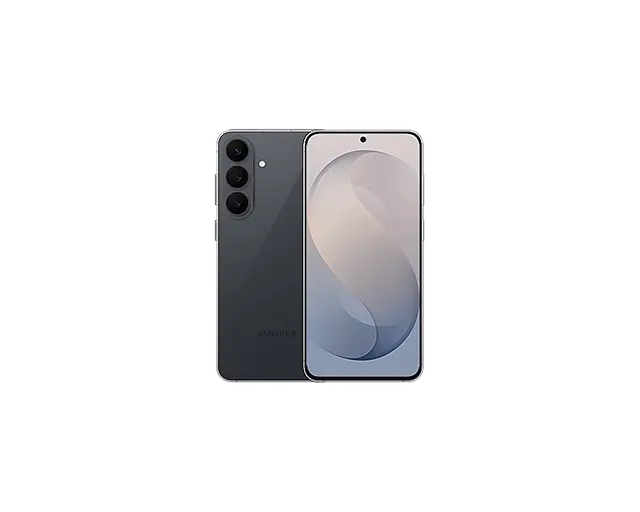
Samsung Canada just raised every Galaxy S26 price except this one, so the FE is suddenly $350 cheaper than the base S26. Is that gap enough to forgive a USB 2.0 port and 8GB of RAM?
 20Standpoint Score7.6/10Not tested
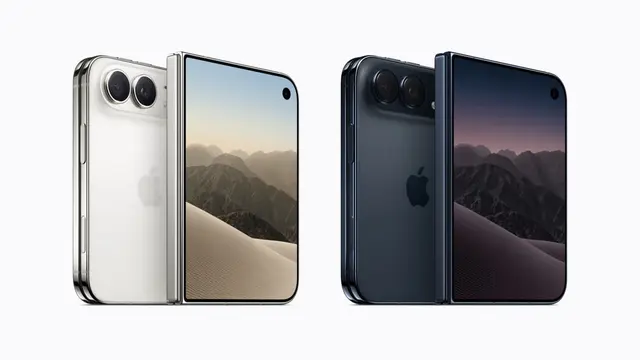
Apple's first foldable combines a matte 7.6-inch inner screen with iOS and starts at C$2,999. Its appeal is clear for reading and two-app work; weight, app adaptation and repair arrangements deserve equal attention.
 21Standpoint Score7.8/10Not tested
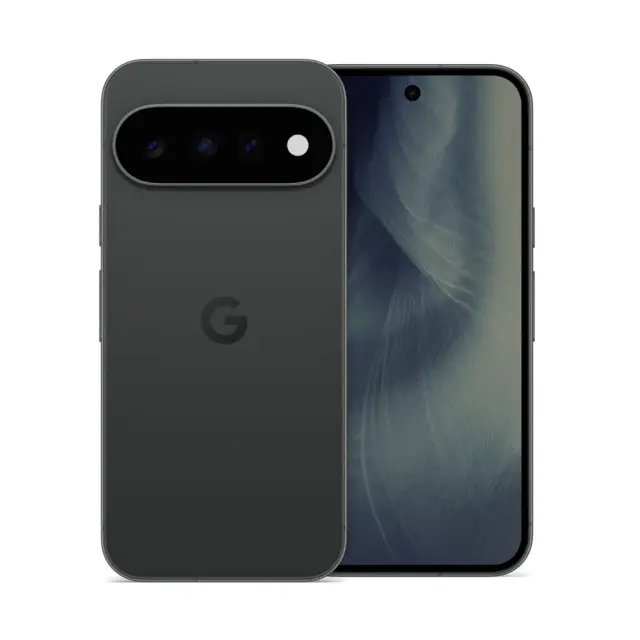
The cheapest Pixel 11 you can buy in Canada is $1,249, $150 more than the cheapest Pixel 10 was, and the phone it gets you is a modest refresh with a better modem and a chip that still trails every rival at the price.
 22Standpoint Score7.9/10Not tested
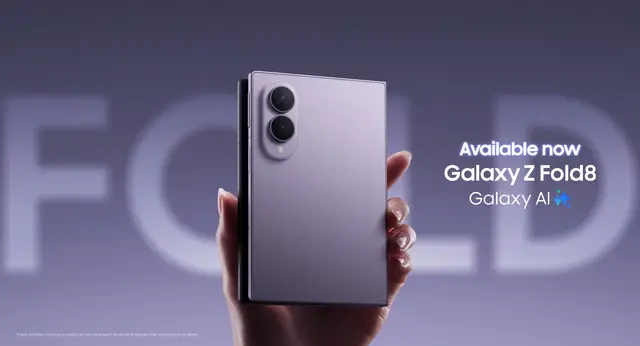
The standard Galaxy Z Fold8 is $2,399.99 in Canada, $300 under the Ultra, with a wide 4:3 screen and a 201 g body. Reviewers love the shape and the crease fix, then list the same gaps: no telephoto, IP48 only, slow charging.
 23Standpoint Score7.2/10Not tested
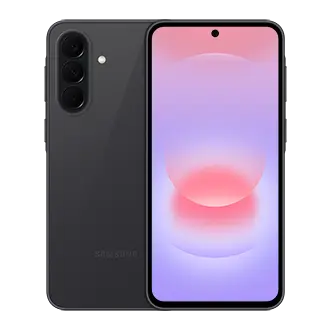
The Galaxy A37 adds IP68 and a bigger camera sensor to last year's design, but it still runs a 2024 chip, and at $599.99 at Best Buy Canada reviewers keep pointing to faster phones for the money.
 24Standpoint Score7.8/10Not tested
The Motorola Razr Fold is CA$2,699.99 at Motorola Canada with 512GB as standard. Reviewers rank its 6,000 mAh battery among the best on any foldable and like its pen support. It's heavy at 243 g, and the pen costs extra.
Try another model, brand or department.
Checked at the retailer in Canadian dollars, each with a Standpoint Deal Score and the reason behind it.
C$849.99 C$1,349.9937% off
Save C$500
37% off a regular price shown at Best Buy Canada, first-party seller, sale runs to December 4, no outside test attached.
See the deal ↗Prices change fast; the retailer's page is the final word. As an Amazon Associate, Tech Standpoint earns from qualifying purchases. Disclosure
Start with the limitation you want to fix, then compare the camera, charging, software and complete cost.
Activation Lock, a clean IMEI, honest battery and parts history, and the right seller matter far more than a low asking price.
Power banks belong in your carry-on, most travellers can bring up to two, and the 2026 international rules ban recharging them in flight; here is what CATSA, Transport Canada and the aviation regulators actually say.
Why a bigger number on the charger does not always mean faster charging, what USB Power Delivery and PPS actually do, and how to choose a cable and a safe charger in Canada.
Samsung hasn't announced the Galaxy S27 yet, but certification filings point to a roughly 5,700mAh Ultra battery, leaks point to a new S27 Pro, and Canada has a good chance of getting Snapdragon chips again.
Apple's folding iPhone starts at C$2,999. Here are the current storage prices, the app and ownership questions that matter, and how it compares with Samsung's lighter Galaxy Z Fold8.