Not tested. This is a research score for the documented features, compatibility and ownership trade-offs discussed in this review, not a performance measurement.
Features & capability 30%6.9
Three camera views broaden framing while the older platform limits the upgrade case.
Compatibility & connectivity 20%6.5
Wi-Fi 6 and LTE cover conventional use, but the generation lacks 5G and USB-C.
Ownership & upkeep 20%5.5
An ageing OLED panel and battery can make refurbishment uneconomical.
Setup & everyday use 15%7.5
The smaller body suits a particular handling preference without reducing the camera count.
Documentation & support clarity 15%8.6
Archived technical details clearly distinguish this model from the larger Max.
Compare scores within the same product category. Small decimal differences should not override your needs or the evidence limits.
How the Standpoint Score works
We score five aspects of the documented product on a 0–10 scale, then calculate a weighted total:
- Features & capability30% of the total
- Compatibility & connectivity20% of the total
- Ownership & upkeep20% of the total
- Setup & everyday use15% of the total
- Documentation & support clarity15% of the total
This product’s 6.9/10 is an editorial research assessment. It does not claim measured performance, tested reliability or a verified customer satisfaction rate. Compare it with products in the same category, and read each criterion’s reasoning above.
Read the full rubric and score bands ↗From a tech standpoint.
Buy it if you specifically want a 5.8-inch phone with a 2× telephoto and you have found a documented example with a clean screen and a known battery. Skip it if you are chasing an old flagship name, or if banking, work logins and daily navigation need a longer software runway than an A13 phone on LTE can promise. Condition beats the badge every time.
Reasons to consider it
- Three 12 MP cameras in a 5.8-inch body
- A dedicated 2× telephoto, not a digital crop
- OLED panel in the smaller format
Go in knowing
- Used OLEDs need a close burn-in and replacement-panel check
- LTE only, Lightning, and no magnetic MagSafe
- Software and app support for an A13 phone must be verified now
Affiliate link. As an Amazon Associate, Tech Standpoint earns from qualifying purchases. It never changes our verdict or score. Disclosure
The specification sheet.
Published specifications from the linked sources. Configurations and availability can differ by country.
- Display
- 5.8-inch OLED; 2436 × 1125
- Processor
- A13 Bionic
- Rear cameras
- Three 12 MP cameras; 2× telephoto
- Storage
- 64, 256 or 512 GB
- Weight
- 188 g
- Network
- LTE; Wi-Fi 6; Bluetooth 5.0
A compact flagship is now a condition problem
The 11 Pro still has a clear identity years after it left Apple's lineup: a small screen paired with a separate telephoto camera. That pairing is rare, and it is the real reason to consider one. Someone who finds big phones awkward but does not want to give up framing options has a coherent case here. The word Pro on a listing describes where the phone sat in 2019, not the health of a battery or a replacement display in 2026.
Decide first how much compactness is actually worth to you. If the small body is a preference rather than a requirement, a newer standard iPhone will be the better overall deal. The hardware is documented; the condition of the particular refurbished unit in front of you is not. Launch-era enthusiasm tells you what the design can do. It tells you nothing about the phone a reseller is offering today.
The 5.8-inch OLED is the draw and the risk
The screen is why you handle an 11 Pro before buying. Its size puts controls within easier reach than a larger device, and the OLED is a different viewing proposition from the standard iPhone 11's LCD. Neither guarantees comfortable reading. If you need large text, the smaller workspace works against you in messaging threads, maps and apps with crowded toolbars.
Inspect plain grey, white and dark screens at several brightness levels. Persistent interface outlines, patchy colour or a region that responds differently to touch are warning signs. Ask whether the display was replaced and get it in writing. A cheap phone that needs another premium panel stops being cheap. You are not demanding showroom perfection from a used phone; you are separating cosmetic wear from a fault that changes daily use.
A real telephoto changes how you compose
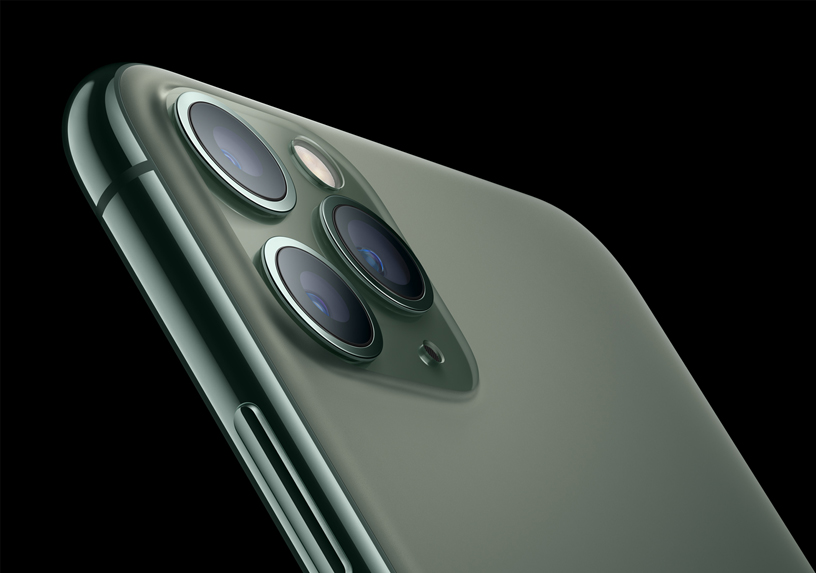
Apple's three-camera spec includes a 2× telephoto alongside the wide and ultrawide. That makes the 11 Pro more interesting than the plain 11 for anyone who routinely wants tighter framing. It helps compose a portrait without stepping into someone's space, or isolate a detail you cannot approach. It does not turn the phone into a long lens for a distant sports field.
Low light has a clear boundary. TechRadar's original review praised Night mode on the main camera but drew a line between it and the telephoto, ultrawide and front cameras, and warned about moving subjects. That is more useful than calling every lens good in the dark. A dim restaurant portrait and a child running across the same room are different jobs: a longer capture pulls more out of a still scene while movement still smears the frame. Those are TechRadar's observations, not photographs taken by Tech Standpoint.
Video is a workflow, even on an older phone
Apple lists 4K at 24, 30 or 60 frames per second, including on the front camera. That makes the 11 Pro useful for someone who wants both ordinary rear-camera clips and self-recorded pieces to camera. It does not have the later Cinematic mode; Apple's phrase cinematic video stabilization refers to stabilization, not that focus-effect feature. Pick the frame rate for the job, since a spoken piece and a clip meant for smooth motion do not need the same setting.
On inspection, record speech facing the front camera and then the rear. Play it back on a different device if you can, because listening on the same phone blurs the line between a microphone fault and a speaker fault. Film something moving, check the saved clip, then transfer it off the phone. That end-to-end run tells you more than a blinking recording indicator. Stabilization quality, colour accuracy and recording temperature are things you judge on the unit, not from a spec sheet.
Do a real inventory before picking a capacity
The 11 Pro shipped with 64, 256 or 512 GB, so used listings can jump a long way between configurations. The biggest is not automatically right. Look at the size of your current photo library, downloaded media and apps, then think about how long you expect the phone to serve. Someone who streams and backs up promptly has a very different need from someone carrying an offline archive into poor reception.
Do not take capacity from the seller's description. Check it in the device information and confirm the free space makes sense after setup. Likewise, verify that the apps you depend on run on the software version this phone can get. A13 tells you the hardware generation. It does not promise that an employer's future security policy or an app developer's next requirement will keep accommodating it.
Connectivity shows the generation's limits
This is an LTE phone with a Lightning connector. For a household already stocked with Lightning cables and accessories, that is fine. For someone consolidating everything on USB-C, it is one more cable standard to maintain. Count the accessories you would need to replace or keep around instead of treating the connector as an abstract argument about modernity.
The exact regional model and carrier status matter more than a generic unlocked label. Check the intended network's activation requirements and make real calls on the actual service during the return window. For travel, work out the SIM arrangements and provider requirements before you leave. A Wi-Fi demo settles nothing. Connectivity is only useful when it works with the accounts and places the next owner relies on.
Stainless steel does not reverse battery age
A polished steel frame invites overconfidence about an old flagship. It says nothing about how the battery has aged or what happened inside during a repair. Ask for service records, inspect the enclosure and check that the buttons respond consistently. Pay particular attention to Face ID: a working selfie camera does not prove the facial-authentication hardware is healthy, and losing it is an expensive daily annoyance.
Price battery service from a current quote, not a seller's assurance that it is easy. Treat the return policy as part of the product, including who pays shipping and which condition disputes are excluded. The water-resistance rating describes controlled conditions for a new phone; it is not permission to dunk a used, possibly repaired one. Keep it dry, and value a credible repair history over an optimistic durability claim.
An LTE travel phone can still run two lines
Apple documents nano-SIM plus eSIM on the supported version. That lets a local data plan sit beside your main line without needing 5G. Confirm the exact regional hardware and carrier support, because eSIM is a service arrangement as much as a device feature. A phone sold with two physical SIM slots in another market is not the same configuration as the US reference spec.
Wi-Fi 6 and Bluetooth 5.0 round out the documented wireless. They say nothing about coverage or call quality in a particular building. For a travel buyer, the practical question is whether the right plan can be activated before departure and which line supplies data. Set that up while help is still available. Two lines are only useful when roaming and data selection are understood; seeing an eSIM option in a menu does not stop the wrong account from quietly burning data.
Buy the compact format on purpose
The 11 Pro makes sense when small size and three camera perspectives are the priorities and you have found a well-documented example with room in the price for maintenance. Its appeal collapses when the buyer is mostly chasing an old flagship name. A newer phone with less prestige is usually the more dependable home for banking, work credentials and daily navigation over the next few years.
Before money changes hands, verify account removal, normal activation, current software availability and your essential apps. The design is still useful; the condition of any given used unit is still unknown until you check it. A working screen, all three cameras, reliable charging and a documented battery are the minimum. The small Pro is a genuinely interesting format. The seller still has to prove the actual phone is worth taking home.
The closest alternatives.
| Product | Standpoint Score | Best for | Price |
|---|---|---|---|
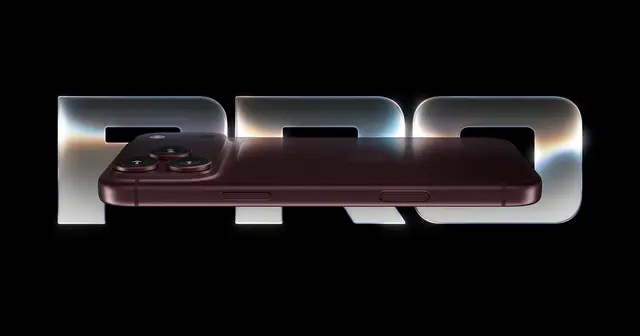
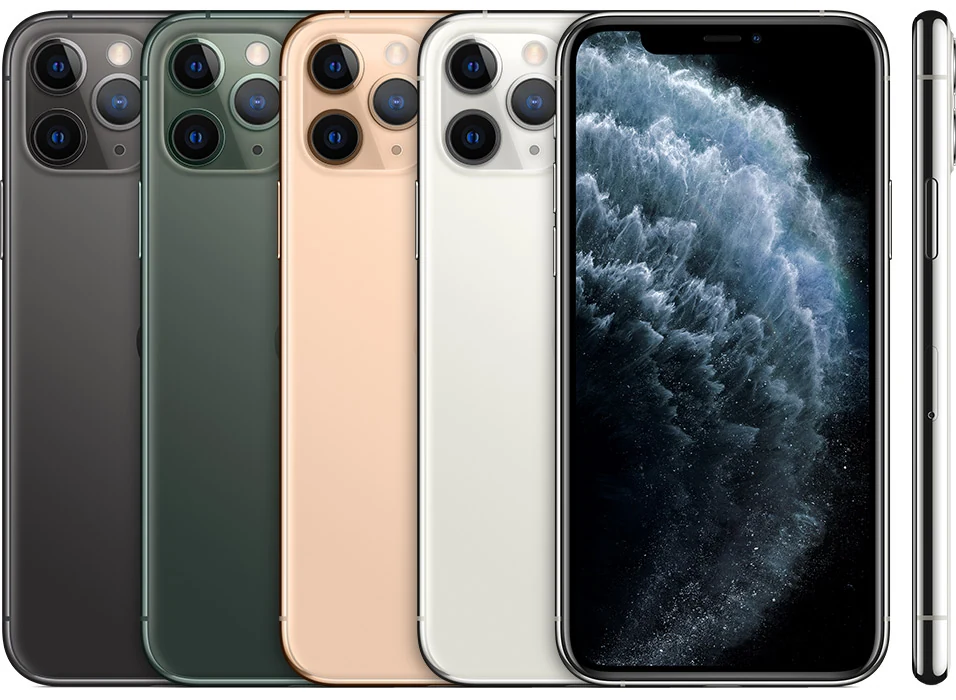
| Apple iPhone 11 ProThis review | 6.9Research | An iPhone user who wants a compact body and a genuine 2× telephoto for everyday framing, and who will inspect a used… | Amazon.ca ↗ |
| Apple iPhone 18 Pro | 8.3Research | An iPhone creator who will actually use aperture, shutter and white-balance controls and has a plan for storage and… | Amazon.ca ↗ |
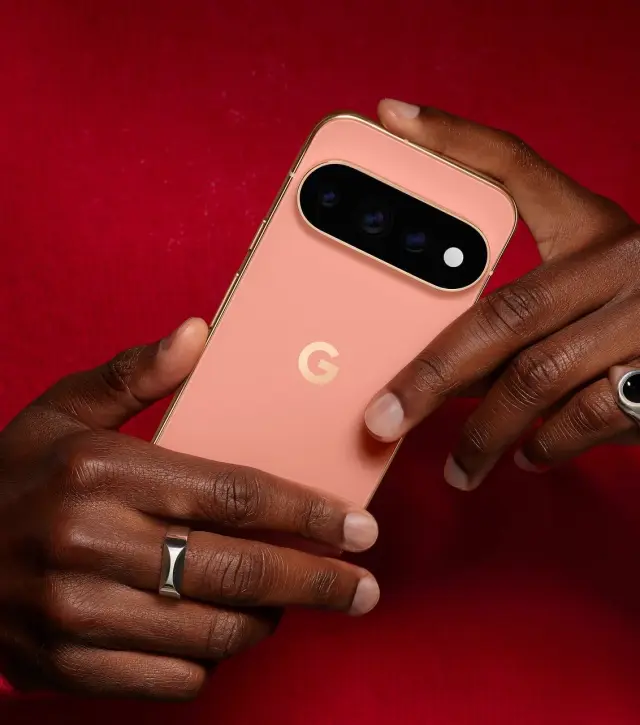
| Google Pixel 11 Pro | 8.3Research | An Android buyer who wants a compact flagship with wide, ultrawide and 5x cameras and a long, published software… | Amazon.ca ↗ |
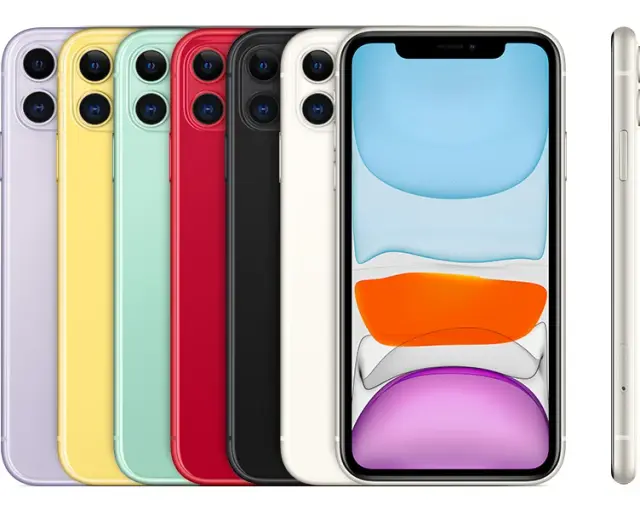
| Apple iPhone 11 | 6.8Research | A light iPhone user who wants familiar calling, messaging and ordinary photography on a small upfront budget. | Amazon.ca ↗ |
Compare scores within a category: Tested means our own use, Research means documentation and attributed outside testing. Price links are affiliate links. As an Amazon Associate, Tech Standpoint earns from qualifying purchases. Disclosure
Sources & further reading.
These are the sources behind this research review. Manufacturer claims are not independent performance measurements. Community accounts, when cited, describe individual experiences.
- iPhone 11 Pro - Technical Specifications - Apple Support ↗manufacturer
- TechRadar: original iPhone 11 Pro camera and handling assessment ↗independent review
Product software and regional bundles can change. Corrections and editorial disclosures.
Affiliate link. As an Amazon Associate, Tech Standpoint earns from qualifying purchases. It never changes our verdict or score. Disclosure