Not tested. This is a research score for the documented features, compatibility and ownership trade-offs discussed in this review, not a performance measurement.
Features & capability 30%6.9
The compact model retains dual cameras and OLED but offers limited working space.
Compatibility & connectivity 20%7.3
5G and MagSafe fit modern routines, while Lightning remains an accessory commitment.
Ownership & upkeep 20%5.6
Aged batteries in this small format demand careful service planning.
Setup & everyday use 15%7.3
Pocketability is a clear benefit, balanced by tight typing and viewing space.
Documentation & support clarity 15%8.6
Apple specifies its dimensions and distinguishes it from the larger iPhone 12.
Compare scores within the same product category. Small decimal differences should not override your needs or the evidence limits.
How the Standpoint Score works
We score five aspects of the documented product on a 0–10 scale, then calculate a weighted total:
- Features & capability30% of the total
- Compatibility & connectivity20% of the total
- Ownership & upkeep20% of the total
- Setup & everyday use15% of the total
- Documentation & support clarity15% of the total
This product’s 7.0/10 is an editorial research assessment. It does not claim measured performance, tested reliability or a verified customer satisfaction rate. Compare it with products in the same category, and read each criterion’s reasoning above.
Read the full rubric and score bands ↗From a tech standpoint.
Buy it because the small body fixes a handling problem, then insist on a healthy battery and sensible storage. Notebookcheck's launch-era endurance numbers show how much the runtime swings with the task, so test your own routine during the return window. If compactness is optional, buy something bigger; if it is essential, price a 13 mini first.
Reasons to consider it
- 64.2 mm wide and 135 g, with a 5.4-inch OLED
- 12 MP wide and ultrawide cameras
- 5G and MagSafe in the smallest modern iPhone format
Go in knowing
- The small screen crowds text and controls
- Battery condition decides whether it is practical
- 64 GB entry storage runs out fast
Affiliate link. As an Amazon Associate, Tech Standpoint earns from qualifying purchases. It never changes our verdict or score. Disclosure
The specification sheet.
Published specifications from the linked sources. Configurations and availability can differ by country.
- Screen
- 5.4-inch OLED; 2340 × 1080
- Processor
- A14 Bionic
- Rear cameras
- 12 MP wide and ultrawide
- Weight
- 135 g
- Width
- 64.2 mm
- Storage
- 64, 128 or 256 GB
Small is a spec with consequences
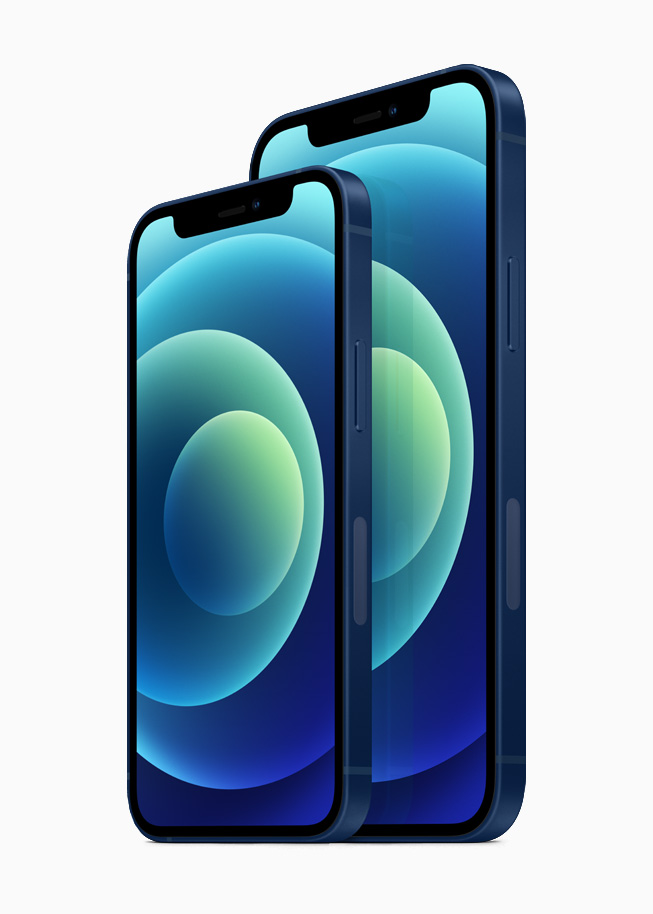
The iPhone 12 mini is not just the cheapest way into its generation. Its purpose is physical: a narrow, light phone that takes up less pocket and less hand. If you dislike carrying a slab, that can matter more than another camera mode. The flip side shows up every time the keyboard opens or a document needs reading. Buying it well means accepting both halves of that bargain.
Before anything else, handle a phone of comparable size with the case you intend to use. Reach the top controls, type an address, read a map while standing. Those everyday actions explain the mini better than any processor comparison. The design is documented; the performance and endurance of a specific used unit are not, and only your own trial period settles them.
The display rewards a particular kind of user
Apple's 5.4-inch OLED at 2340 × 1080 packs a lot of pixels into a small area. The idea is to fit useful information into a small object, not to offer the widest canvas for films or spreadsheets. If you mostly check messages and directions, it works. If you edit documents or need large text, the same screen becomes a daily constraint.
Before buying, raise the text to a comfortable size and see how much room is left. Check the panel for persistent marks and test touch near the corners; the smaller keyboard gives no tolerance for a dead edge. If the screen has been replaced, ask about the part and the repair record. A low price cannot make an uncomfortable or unreliable main interface pleasant to use every day.
Cameras that travel light, with no long lens
The wide and ultrawide pairing suits a phone meant to be carried without thought: a normal view for a person or a detail, a wider one for the surroundings. There is no telephoto, so do not confuse its strengths with a Pro's. Think of it as a convenient everyday recorder, not a way to pull distant subjects closer.
The small grip deserves a practical check. See whether a finger drifts into the ultrawide frame and whether the phone sits securely when shooting one-handed. Review photos from each lens and play back a short video. Those checks expose a damaged module or a blocked microphone. They do not rank image quality against other phones; that needs a controlled comparison that no spec sheet substitutes for.
A small battery needs an honest daily schedule
For a mini buyer, battery condition is not something to sort out after purchase. The size-driven design makes your real schedule decisive: navigation, cellular reception, camera use and screen time away from a charger. A seller saying it lasts all day means nothing without knowing what that day involved. Ask for battery information and service documentation, then use the return period to run your own routine.
Price a replacement battery before accepting an example that already needs one. Think about whether frequent top-ups fit your life; a desk worker and someone moving between outdoor jobs have very different charging opportunities. Carrying a big power bank everywhere defeats the point of a tiny phone. The whole kit should be easier to carry, not just the handset.
MagSafe on the mini has its own number
The mini's MagSafe limit is specific. Apple's charging guide gives the 12 mini up to 12 W under the stated adapter conditions, not the generic 15 W figure repeated for the other iPhone 12 models. That is a peak, not a full-recharge measurement or a promise of constant output. The charger and adapter are part of the equation, and a bigger adapter does not override the mini's documented ceiling.
The Lightning port still has to work. Test charging and, if it matters, a data transfer with a known-good cable. Do not overlook a worn socket just because a wireless pad happens to charge it. A compact travel phone should be easy to top up in unfamiliar places; depending on one special charging setup gets inconvenient. Accessories should support the small-phone choice, not pile up as exceptions around it.
Storage and software set the useful horizon
The entry configuration is 64 GB, and that should be judged against a real inventory. A small body does not mean small files: apps, video and offline maps take the same space regardless of screen size. Look at your current phone's used capacity and decide what must stay local. A slightly dearer storage tier beats a phone that needs a purge before every update or trip.
Software compatibility needs an explicit check too. A14 is the chip generation, not a guarantee that every future app or feature arrives. Confirm the operating-system version available now and the requirements of work, banking and authentication apps. If the mini is a second device, decide which accounts must live on it and test that setup before leaning on it as a backup.
Check the communication role, not just the cosmetics
A small phone is usually bought to stay reachable, so calls deserve a real test. Try the earpiece, loudspeaker and microphone with another person, then confirm mobile data on the intended carrier. Identify the regional model and any carrier restriction before payment is final. 5G in the product family does not replace a carrier-specific check on the unit being sold.
Ownership transfer should be uneventful. Have the previous account removed and complete normal activation rather than accepting a promise that a lock will clear later. Inspect the frame and rear glass for damage that could complicate service. Ask what the return terms cover, including battery expectations. Cosmetic grade only matters once those functional questions are answered; a pretty compact shell is not a dependable communication device.
What the launch-era battery test actually showed
Notebookcheck recorded 10 hours and 55 minutes in its Wi-Fi browsing test and 16 hours and 8 minutes in its H.264 playback test. Those are two different workloads on its review sample. Neither number means a used mini will survive that long while navigating on mobile data and taking photos. The useful finding is how much endurance swings with the activity; there is no single battery figure that answers every purchase question.
That makes the 13 mini comparison more interesting than comparing advertised capacities. A routine of brief messages near a charger values endurance differently from a full day away from outlets. Compare test methods when reading reviews, then check the individual phone during the return period. Notebookcheck's figures are its own, from launch-era software; present-day behaviour on an updated, aged unit is yours to confirm.
HDR clips and a second line have specific limits
The 12 mini documents Dolby Vision capture up to 4K at 30 fps, alongside ordinary 4K recording up to 60 fps. Those settings are not interchangeable. If smooth 60 fps motion is the priority, confirm the format being recorded rather than reading two maxima as one combined capability. Play the finished file in the app or service that will receive it.
On the supported reference model, a physical nano-SIM and an eSIM give you two lines. That differs from the dual-eSIM arrangement documented for the 13 mini. If two digital plans with no physical SIM are essential, that alone is a reason to look at the later model. Carrier support and regional configuration still need checking. The useful upgrade depends on your planned accounts, not on both phones showing the same eSIM wording in a menu.
Price a 13 mini before you decide
The 12 mini deserves a look when its size is the reason you are shopping. If compactness is optional, there are easier routes to a bigger screen and more charging flexibility. If compactness is essential, the 13 mini belongs in the comparison. Match storage, battery condition and seller protection like for like, and do not let the lowest sticker price settle it.
The mini's format makes condition unusually important. A healthy example can serve a light user well; that is a conditional assessment, not an endurance claim. The purchase becomes convincing once you have tried the small screen, accepted the charging routine and verified your essential apps. A good mini disappears into daily life. A badly chosen one makes its compromises impossible to ignore.
The closest alternatives.
| Product | Standpoint Score | Best for | Price |
|---|---|---|---|
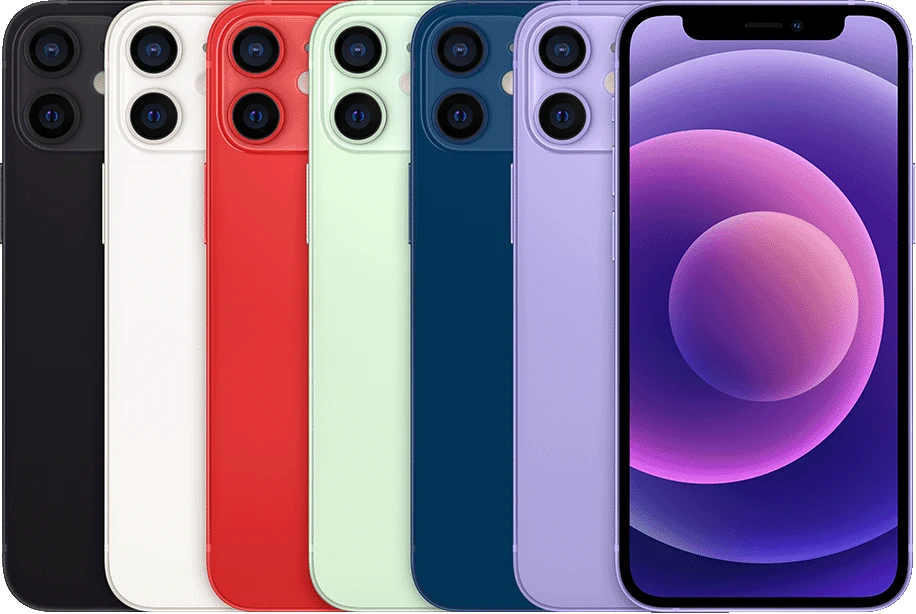
| Apple iPhone 12 miniThis review | 7.0Research | Someone who wants a light, narrow phone for communication and occasional photos and will keep a charger within reach. | Amazon.ca ↗ |
| Apple iPhone 18 Pro | 8.3Research | An iPhone creator who will actually use aperture, shutter and white-balance controls and has a plan for storage and… | Amazon.ca ↗ |
| Google Pixel 11 Pro | 8.3Research | An Android buyer who wants a compact flagship with wide, ultrawide and 5x cameras and a long, published software… | Amazon.ca ↗ |
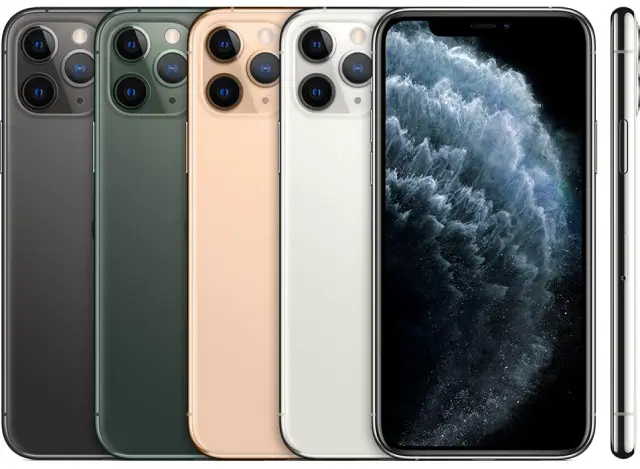
| Apple iPhone 11 Pro | 6.9Research | An iPhone user who wants a compact body and a genuine 2× telephoto for everyday framing, and who will inspect a used… | Amazon.ca ↗ |
Compare scores within a category: Tested means our own use, Research means documentation and attributed outside testing. Price links are affiliate links. As an Amazon Associate, Tech Standpoint earns from qualifying purchases. Disclosure
Sources & further reading.
These are the sources behind this research review. Manufacturer claims are not independent performance measurements. Community accounts, when cited, describe individual experiences.
- iPhone 12 mini - Technical Specifications - Apple Support ↗manufacturer
- Apple: MagSafe power limits and adapter conditions ↗manufacturer
- Notebookcheck: iPhone 12 mini battery and hardware tests ↗independent review
Product software and regional bundles can change. Corrections and editorial disclosures.
Affiliate link. As an Amazon Associate, Tech Standpoint earns from qualifying purchases. It never changes our verdict or score. Disclosure