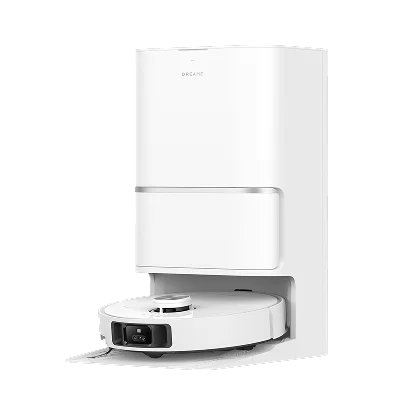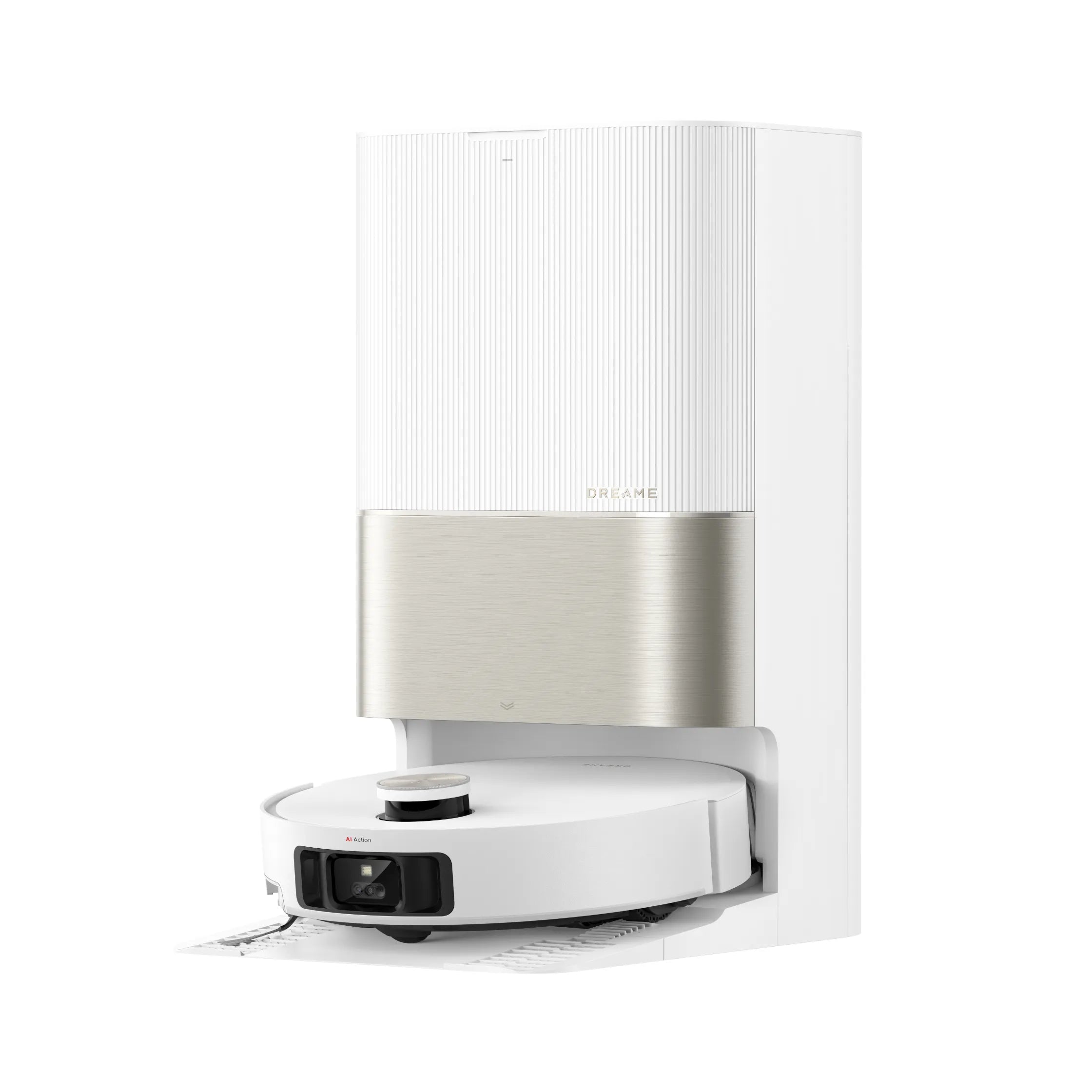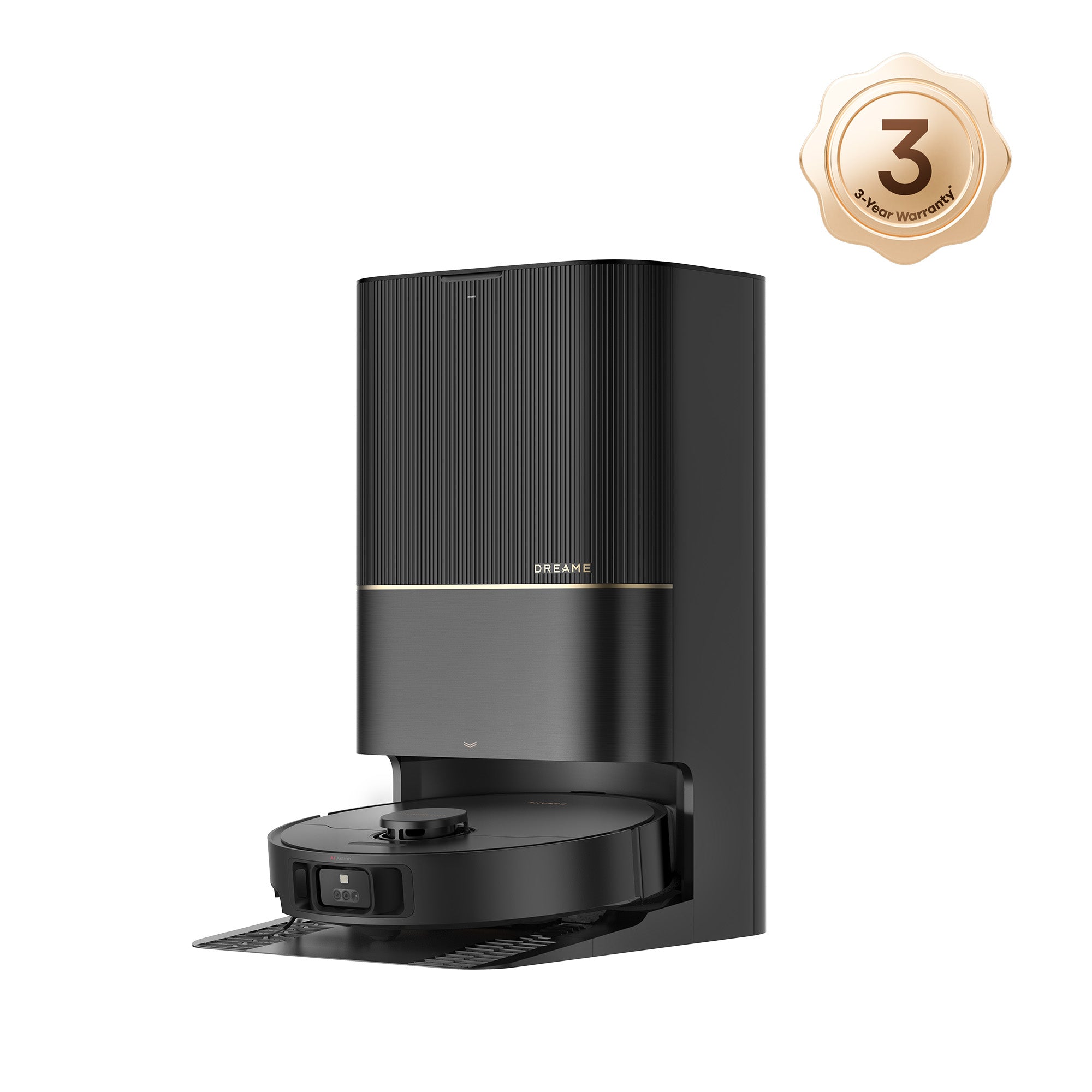
An editorial assessment of documented capabilities and ownership trade-offs. This is not a hands-on test result or a measurement of reliability.
Task capability 30%8.8
Extending dry and wet tools plus removable mops provide broad mixed-floor capability.
Navigation & control 20%8.3
Dirt response and obstacle sensing support adaptable routines, with outcomes still requiring observation.
Ownership & upkeep 20%8.2
Automatic pad and washboard care reduces repetition; moving arms need inspection.
Setup & usability 15%7.5
Mop-removal sequences and dock placement add setup work but enable clearer carpet separation.
Documentation & support clarity 15%8.1
Official description clearly identifies the principal mechanisms and their roles.
Compare scores within the same product category. Small decimal differences should not override your needs or the evidence limits.
How the Standpoint Score works
We score five aspects of the documented product on a 0–10 scale, then calculate a weighted total:
- Task capability30% of the total
- Navigation & control20% of the total
- Ownership & upkeep20% of the total
- Setup & usability15% of the total
- Documentation & support clarity15% of the total
This product’s 8.3/10 is a provisional research assessment. It does not claim measured performance, tested reliability or a verified customer satisfaction rate. Compare it with products in the same category, and read each criterion’s reasoning above.
Read the full rubric and score bands ↗The ownership case.
A well-reasoned premium layout focused on reach and cleaning separation; assess the side-arm mechanisms and station routine before paying for the feature count.
Reasons to consider it
- Separate control of dry and wet cleaning tools
- Mop removal provides a useful carpet option
- Extending side brush and mop target boundaries
Go in knowing
- More moving arms mean more inspection points
- Dirt detection is not a visible-cleanliness guarantee
- Large automated station still needs water care
The specification sheet.
Published specifications from the linked sources. Configurations and availability can differ by country.
- Advertised suction
- 12,000 Pa
- Edge tools
- Extendable and liftable side brush; MopExtend RoboSwing
- Carpet strategy
- Removable mop pads
- Dirt response
- OmniDirt detection
- Station
- Automated maintenance and washboard cleaning
The boundary strip is the real target
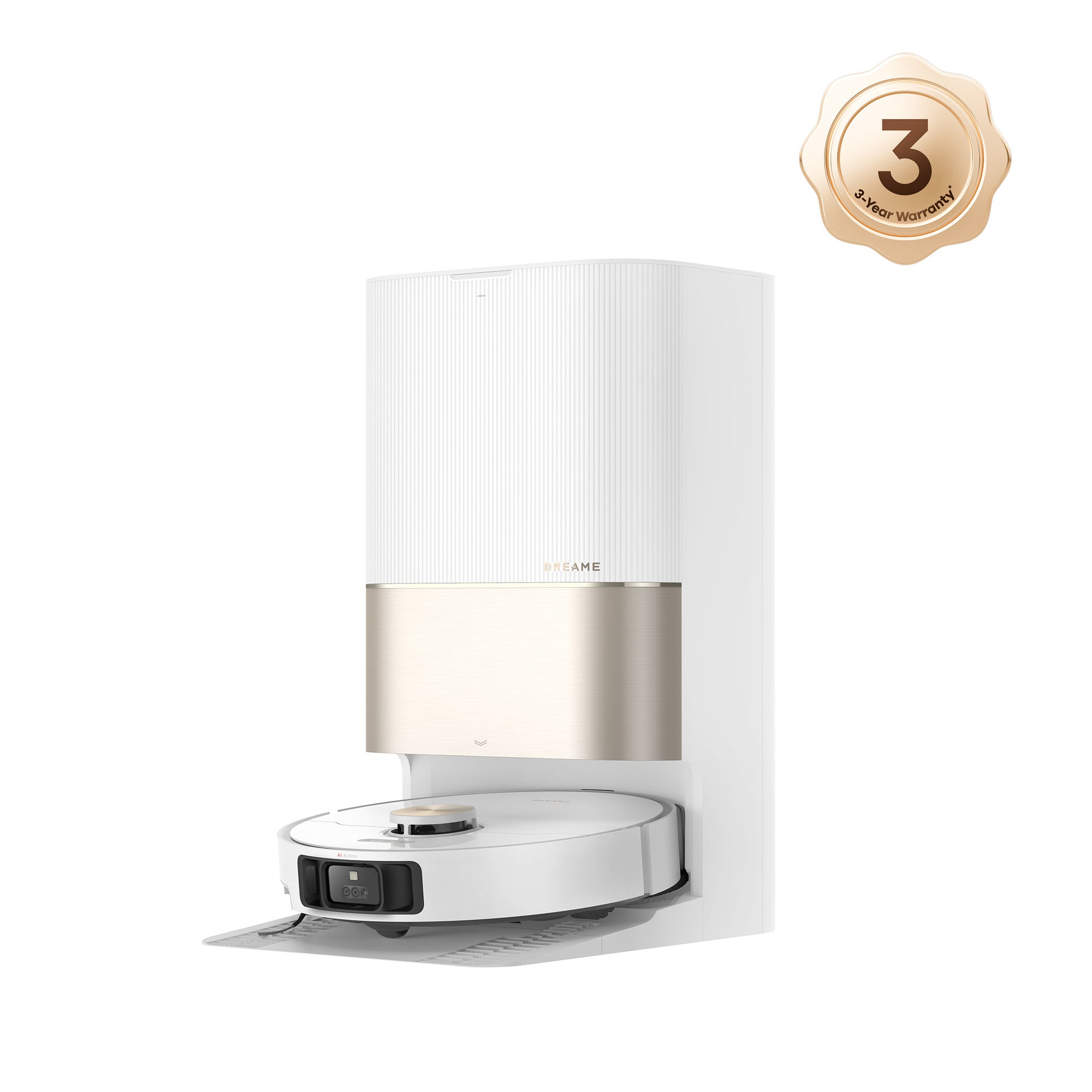
X40 Ultra's most persuasive features are the extendable side brush and MopExtend RoboSwing system. They focus on the dirt that accumulates where a round body cannot place its main cleaning head. Long runs of kitchen cabinetry, the base of a sofa and the space around chair legs are more relevant to its design than an open-room demonstration. Extension needs correct positioning, however, and a moving mop cannot reach through a physical obstruction. We would inspect those boundary strips after an ordinary routine and compare them with the centre of the floor. The useful benefit is less follow-up work with a handheld tool or manual mop.
Raising the side brush is a meaningful detail
The side brush can extend and lift, which lets the robot alter how its dry sweeping tool interacts with a task. That is a different capability from simply having longer bristles. In a wet-cleaning sequence, keeping the wrong component out of a mess can matter as much as increasing suction. The product still needs to follow the correct mode and recognise the situation, so owner setup remains important. Observe the brush around food debris and along rug edges during early runs. The mechanism is an advantage only if it moves reliably and remains clean enough to deploy; check its pivot for accumulated material rather than inspecting only the main roller.
Removable mops create a clearer carpet option
X40 Ultra's ability to leave mop pads at the dock is particularly useful when a carpeted room deserves a dedicated vacuum task. Physical removal is a more complete separation from wet textile than merely lifting pads above the floor. It also introduces a sequence: the robot must return, release the pads and retrieve them when needed. The buyer should consider whether that workflow fits the layout and schedule. A deep or delicate rug may justify the extra journey. An occasional low mat might be handled by another available carpet strategy. The right setting is based on the surface, not on assuming a combined cleaning mode is always the most efficient.
Suction and dirt sensing need outcome checks
Dreame advertises 12,000 Pa suction and OmniDirt detection. Those specifications explain the intended cleaning system, but they do not establish that every stain is detected or every carpet particle removed. Dirt sensing can guide repeated work; it cannot be treated as an independent inspection of the entire floor. Compare the cleaning history with visible residue, especially on patterned tile where marks are easy to miss. For vacuuming, evaluate fine debris and hair separately. A pet household also needs to inspect the bin and dock transfer after several runs. Increasing cleaning intensity is less useful than fixing a clogged intake or a brush that has lost effective contact.
The washboard deserves attention
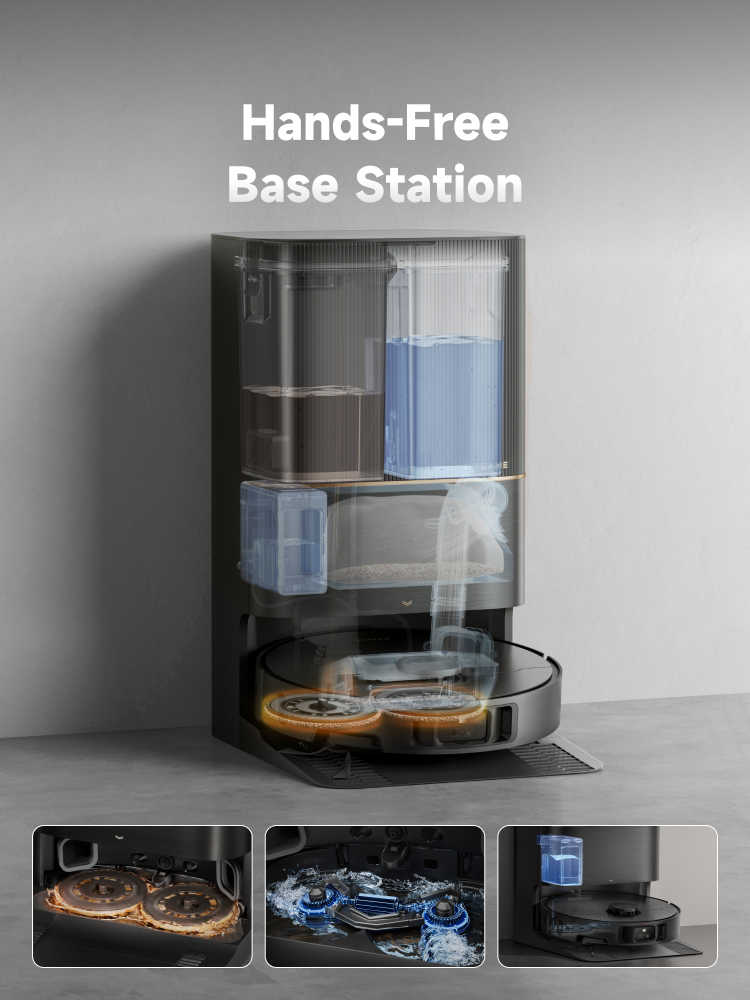
The manufacturer's emphasis on mop and washboard cleaning reflects a real ownership problem: a robot can finish a floor task and leave its maintenance area dirty. Automatic servicing reduces that burden, but it does not eliminate the need to inspect where sediment, hair and water collect. Place the station where the washboard or tray can be accessed and the tanks can be lifted. Avoid a location chosen solely for hiding the machine. If the dock is difficult to service, the owner may postpone the very care that allows regular mopping to stay effective. The whole system should be judged by the time it saves after those remaining chores are counted.
The X40 decision in a crowded range
L40 Ultra shares the general emphasis on extending tools and automated maintenance, while X50 Ultra adds a much more specific access proposition through its threshold and sensor mechanisms. Compare those physical differences before assuming the X40 is obsolete or automatically the best value. This research cannot rank their cleaning results. A proper X40 trial would measure cabinet-edge residue, successful mop detach-and-reattach cycles, carpet extraction and weekly dock care. The design is strongest for a household that will use the edge tools and separate rug routines often. If the home is almost entirely carpet, much of the wet-care system may be unnecessary complexity.
Coordinating brushes, pads and the station
The X40's removable mops make a carpet-first commissioning task worthwhile. Start with the pads serviced at the dock, select the appropriate dry routine and watch the robot leave them behind as intended. Then send a suitable wet task and observe retrieval and return. This checks the equipment-change sequence as well as the cleaning. If the dock is behind a door that is often closed, the plan may be impractical even when each individual mechanism works. Give thick or moisture-sensitive rugs explicit rules and check their entry edges after the first mixed task. A dedicated carpet routine can be slower than a combined pass but still be the right choice if it provides a clearer separation between damp textile and vulnerable fibres.
X40's extending side brush introduces a useful extra inspection point after kitchen cleaning. Check the pivot and the area around the arm for hair or sticky residue, following the manual rather than forcing the mechanism to move. Do the same for the extending mop mount. A gradual reduction in deployment may leave an edge strip before the owner notices any obvious fault. Photograph a representative cabinet edge early so later changes are easier to identify. The washboard and tray should be accessible without shifting the station, and spare compatible pads should be available for a heavily soiled or damaged set. When comparing bundles, establish which brush and accessories are actually included instead of assuming every promotional image represents the contents of the purchased package.
The camera-assisted and dirt-response features should be enabled in stages. Establish a reliable map, observe basic avoidance with safe household objects and compare the recorded cleaning decisions with the actual floor. Optional viewing and account sharing deserve separate consideration, particularly where the robot enters bedrooms. Keep the strongest available account protection and check the current regional privacy choices. For Canadian ownership, verify service for both robot and dock before importing from a US seller. If comparing with X50, assess whether threshold lifting and a lowering sensor would solve a real access issue; otherwise the X40's edge and mop-removal system may already fit the workload. The purchase is easiest to justify when the owner can demonstrate less cabinet-edge hand cleaning, dry rug transitions and a station routine that remains manageable after weeks of normal use.
Sources & further reading.
These are the sources behind this research review. Manufacturer claims are not independent performance measurements. Community accounts, when cited, describe individual experiences.
Documentation reviewed: 9 October 2026. Product software and regional bundles can change. Corrections and editorial disclosures.