An editorial assessment of documented capabilities and ownership trade-offs. This is not a hands-on test result or a measurement of reliability.
Task capability 30%7.4
Supported modular tasks add breadth, but usefulness depends on a specific accessory and limited wet care.
Navigation & control 20%7.9
LiDAR, 3D detection and ecosystem controls support flexible documented routines.
Ownership & upkeep 20%6.9
Dust collection helps while attachment changes, accessory care and storage add owner work.
Setup & usability 15%6.0
Bundle verification, payload constraints and separate route envelopes make setup involved.
Documentation & support clarity 15%7.8
Official base contents are clear, but accessory bundles require individual verification.
Compare scores within the same product category. Small decimal differences should not override your needs or the evidence limits.
How the Standpoint Score works
We score five aspects of the documented product on a 0–10 scale, then calculate a weighted total:
- Task capability30% of the total
- Navigation & control20% of the total
- Ownership & upkeep20% of the total
- Setup & usability15% of the total
- Documentation & support clarity15% of the total
This product’s 7.3/10 is a provisional research assessment. It does not claim measured performance, tested reliability or a verified customer satisfaction rate. Compare it with products in the same category, and read each criterion’s reasoning above.
Read the full rubric and score bands ↗The ownership case.
The modular platform is genuinely distinctive, but its value depends on a specific supported task; judge vacuuming separately from the attraction of moving accessories.
Reasons to consider it
- Modular platform supports distinct household use cases
- Compact robot with dust-emptying station
- Accessories can change the system’s role
Go in knowing
- Bundle contents vary substantially
- Payload and attachment limits must be respected
- Not a general-purpose household assistant
The specification sheet.
Published specifications from the linked sources. Configurations and availability can differ by country.
- Platform
- Mobile Base with ClawLock attachment system
- Navigation
- LiDAR and 3D obstacle detection
- Base package
- Robot, auto-empty station and mobile base
- Wet feature
- Mop pad kit
- Control
- SwitchBot app and supported voice integrations
Start with a specific accessory task
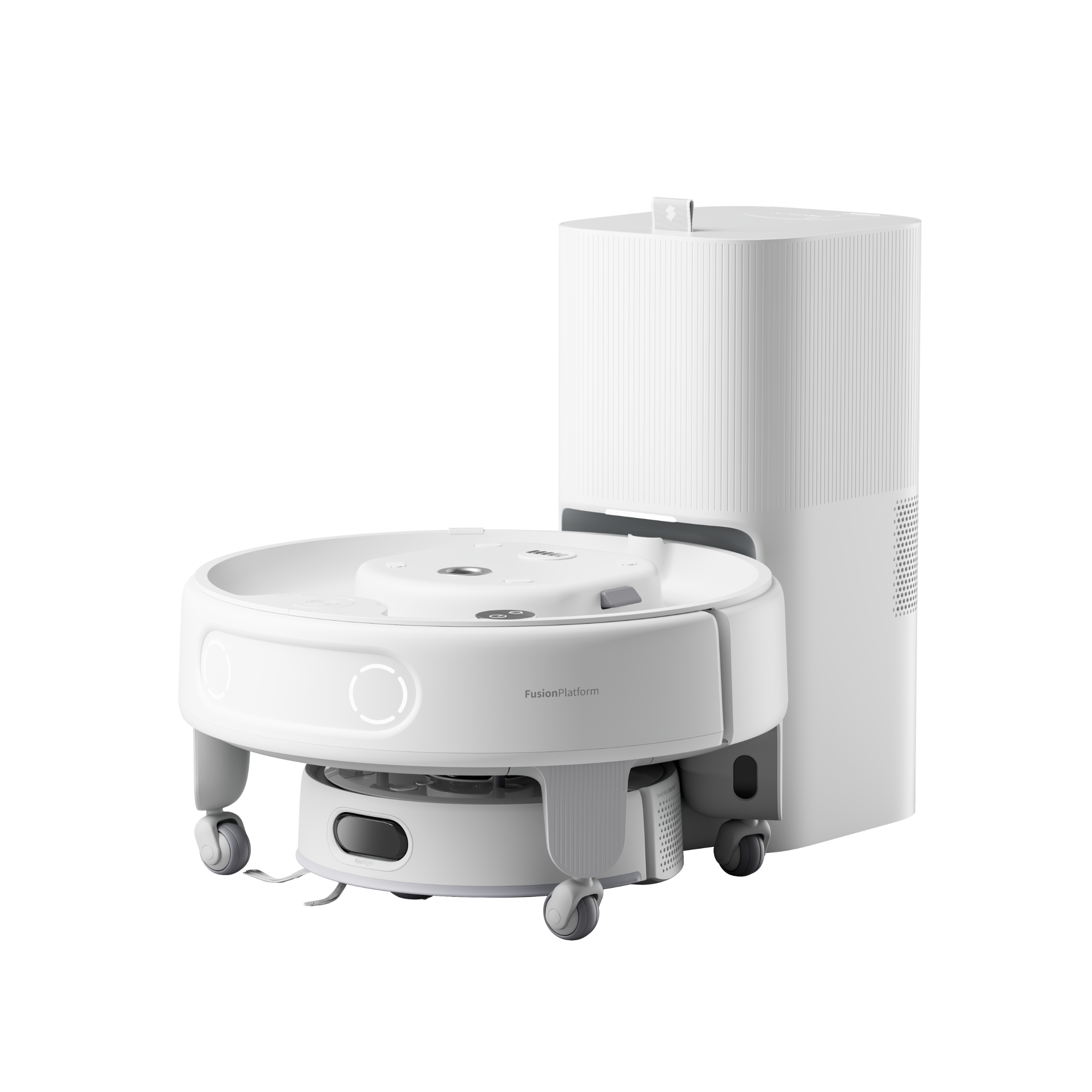
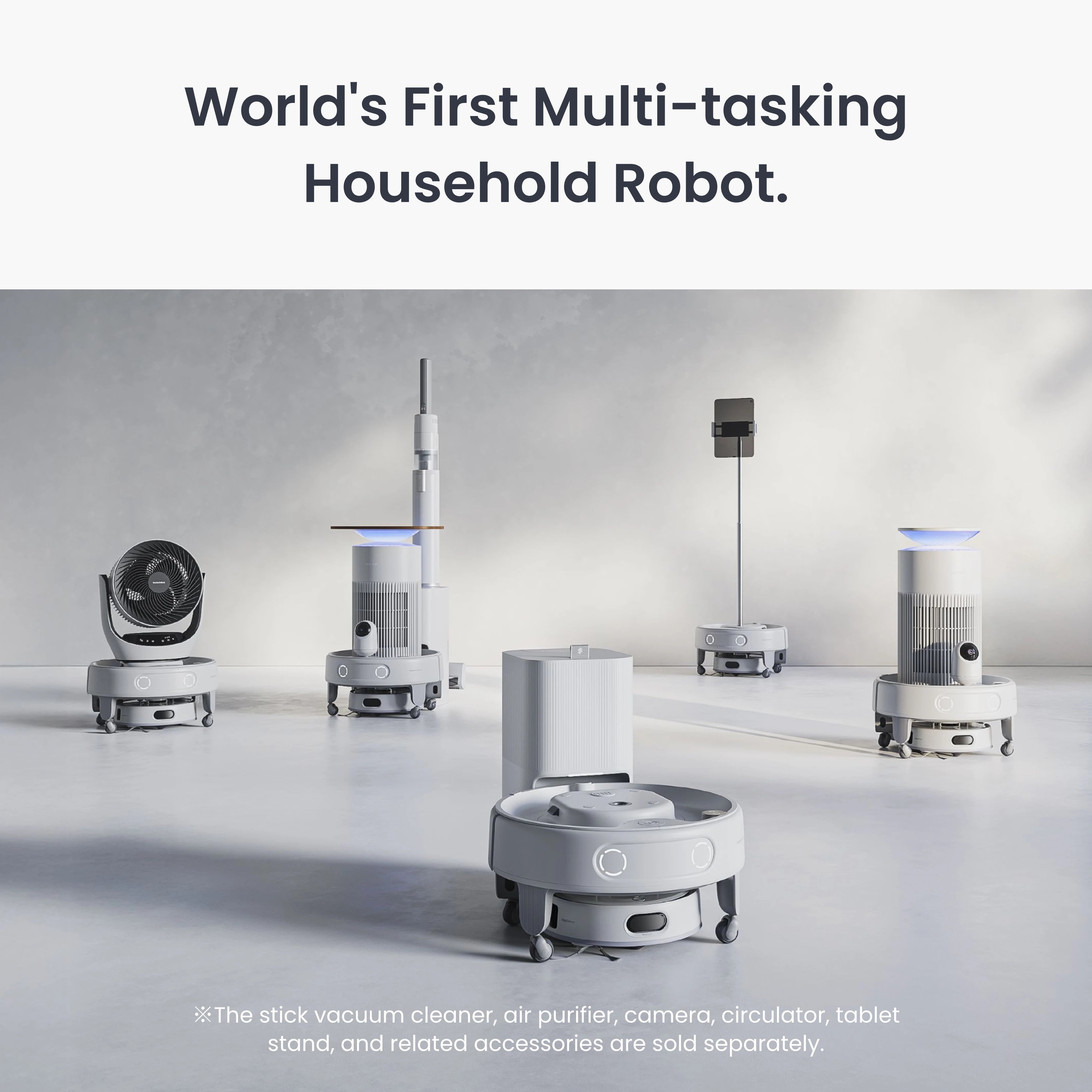
K20+ Pro is unusual because its proposition extends beyond vacuuming. A mobile base and ClawLock attachment system let the robot work with supported modules and accessories, changing what can be carried or positioned around the home. That is interesting engineering, but it is not a reason to assume the machine can perform arbitrary household jobs. Begin with the exact supported task you want, such as an available monitoring configuration, and check which components are included. A modular platform without a useful module may simply add cost and bulk to a vacuuming purchase. The intended accessory routine should be concrete enough to demonstrate during the return period.
The base changes the physical envelope
A compact vacuum can move through spaces that a larger attached platform cannot. When considering K20+ Pro, map both configurations: the cleaning robot alone and the robot carrying the chosen supported equipment. Width, turning space, height and threshold behaviour can all change. A camera mounted higher may gain a useful viewpoint while also creating clearance issues under furniture. A carried device also needs secure attachment and a stable route. Follow the manufacturer's limits for the exact module and do not improvise loads based on how strong the platform looks. Physical compatibility is part of the product, not a detail to solve after a purchase.
Vacuuming should earn a separate verdict
The core cleaner and auto-empty station still need to perform ordinary floor maintenance. Assess pickup, edge coverage, rug handling and docking without an accessory first. That establishes a baseline and prevents a clever platform demonstration from distracting from mediocre cleaning. We have not measured those outcomes. Inspect the brush and transfer path after real debris loads, and watch the route around furniture. A small robot may gain access in tight spaces, but its usefulness depends on repeatable navigation. If the owner mainly wants a floor cleaner, a simpler compact model could provide the relevant benefit without asking them to manage a modular system.
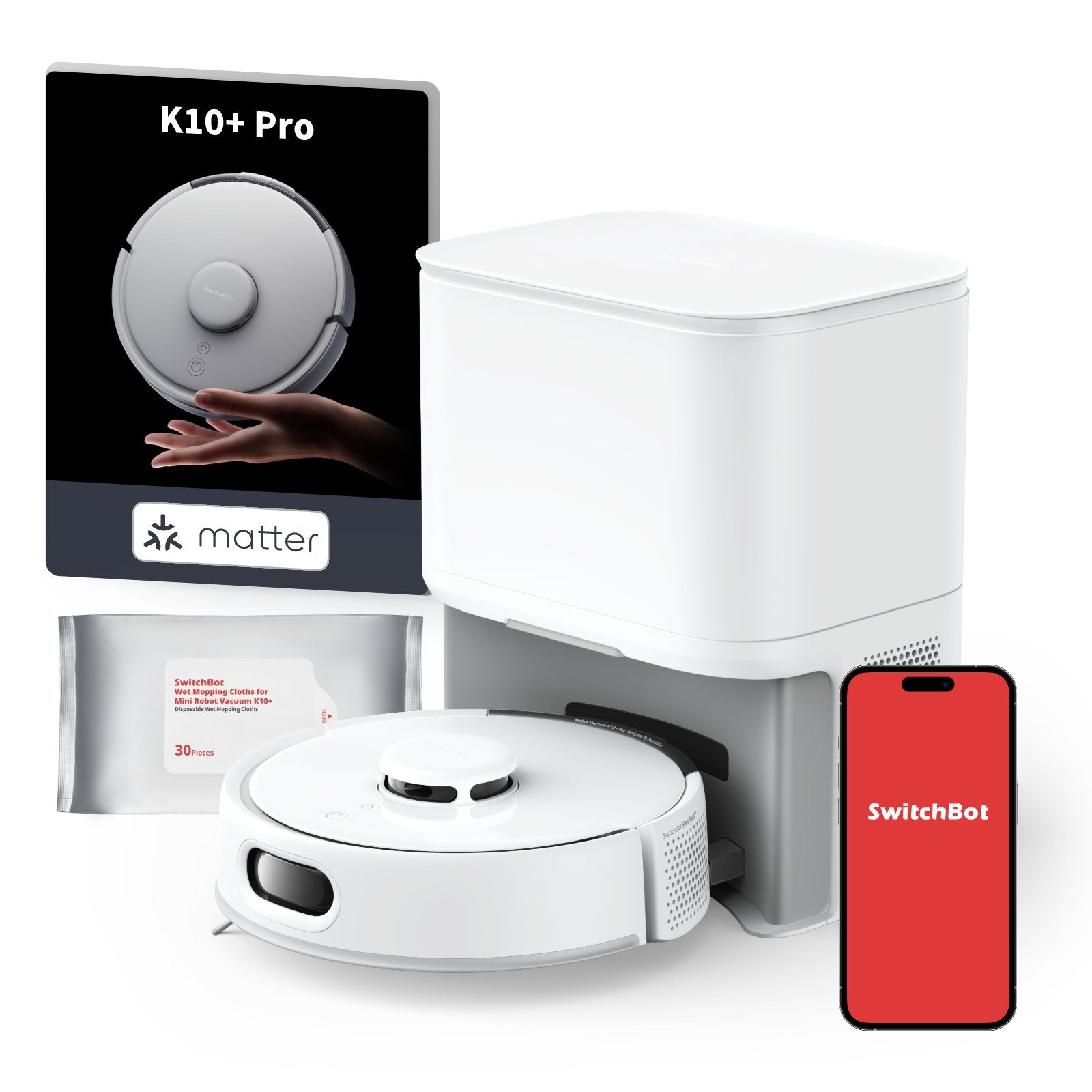
Bundles are materially different products
SwitchBot lists several K20+ Pro packages, and the base product description includes a mobile base, dust dock and cleaning accessories. A camera, air-related device or other module should not be assumed included just because it appears in promotional material for the wider platform. Read the exact bundle contents and price the intended complete setup. Also verify how each accessory is powered and controlled. A moving device that needs an awkward separate charging routine may not save much effort. The total ownership assessment should include storage for unused modules and whether changing configurations is easy enough to do regularly rather than only during initial experimentation.
Wet cleaning is not the platform’s strongest claim
The supplied mop-pad kit should be treated as a limited, owner-managed wet-cleaning option. It is not equivalent to a robot with active rotating pads, a self-cleaning roller or an automated water station. Prepare and service the material according to the instructions, use it only on suitable flooring and inspect the result after drying. Buyers whose main objective is removing kitchen stains should compare a purpose-built wet-cleaning architecture. K20+ Pro's distinctive value lies in its modular movement and compact dry-cleaning role. Asking the wipe feature to justify the purchase risks evaluating the product on a task it was not designed to make fully autonomous.
A conditional recommendation for experimenters
The right buyer has a supported accessory use case, enough space for that configuration and patience to evaluate routines carefully. A household wanting the simplest possible daily vacuum may be better served by K10+ Pro or another focused cleaner. Saros Z70 is an interesting comparison only in the broader sense that both explore utility beyond floor pickup; its arm performs a different, limited task. We have not tested the K20's platform stability, accessory routines or cleaning quality. A proper review should measure completed useful tasks and owner intervention, not count available bundles. Modularity is valuable when it solves a recurring need, rather than merely demonstrating that a robot can carry something.
A disciplined approach to modular ownership
For K20+ Pro, write the intended accessory task before choosing a bundle. Specify the rooms, route, supported device, power requirement and what a successful completed task looks like. Then verify that the actual package includes every required component. A camera bracket is not necessarily a camera, and a platform shown carrying a device does not establish that device is in the box. Keep the manufacturer's load and attachment limits with the setup notes. Do not improvise a payload based only on its weight; stability, dimensions and secure mounting matter too. Test in an open safe area before allowing the equipped platform near furniture, people or pets. The point of modularity is a useful supported routine, not proving that the robot can carry an arbitrary household object.
Map the robot alone and evaluate the equipped platform as a separate physical configuration. Added height or width can close routes that were previously safe, and threshold behaviour may change. Keep physical protection at dangerous drops and remove objects that could catch the attachment. Start with ordinary vacuuming and reliable dust-dock return before adding the module, so later failures can be attributed correctly. Inspect the brush and collection path after normal dry cleaning and treat the mop-pad kit as manual wet care rather than a hidden washing system. Store unused modules in a way that protects connectors and attachment parts. If changing roles requires an inconvenient amount of rearrangement, record that time; it is part of whether the modular concept saves effort or simply creates another setup chore.
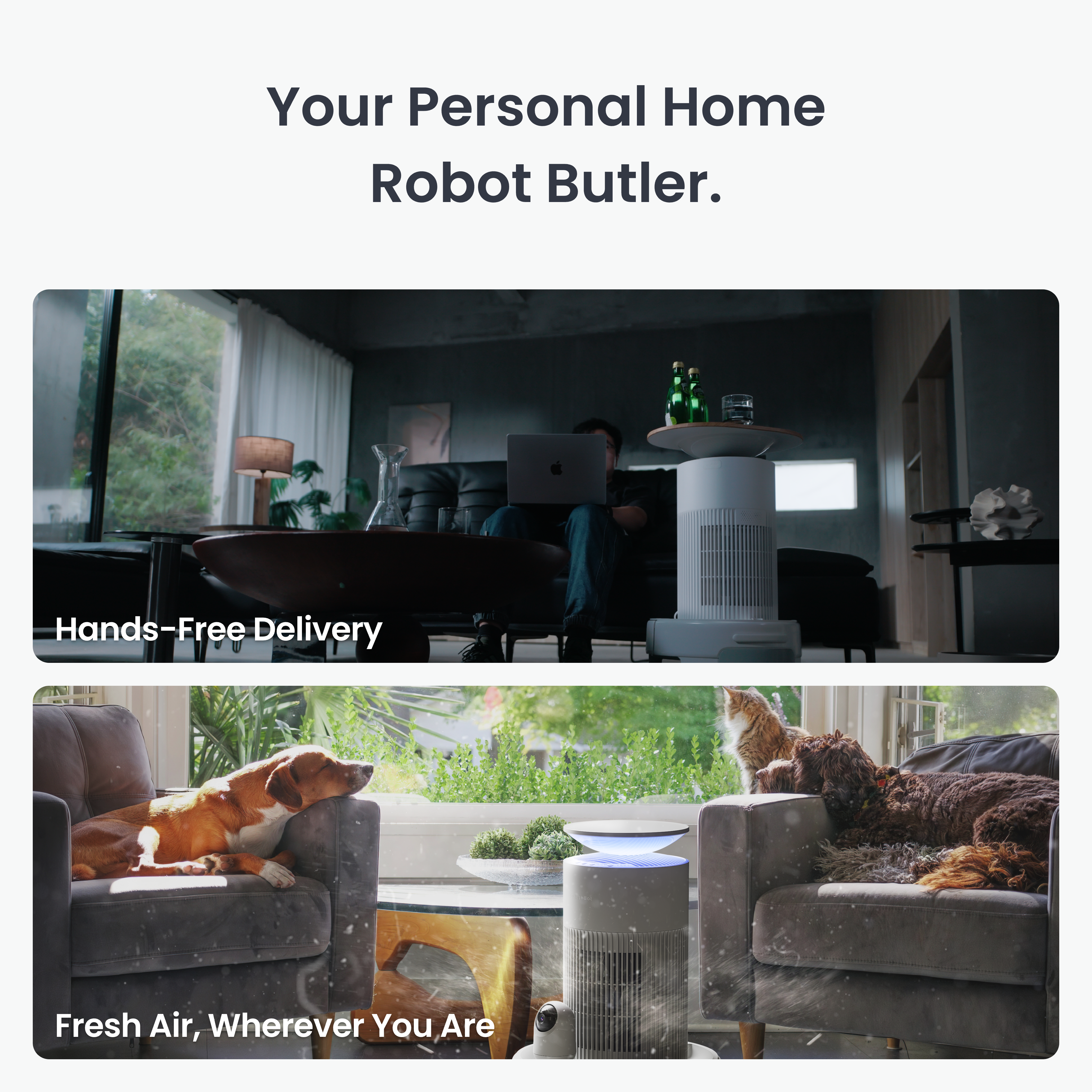
A monitoring accessory introduces privacy choices beyond those of a basic vacuum map. Review camera account access, remote viewing, update settings and whether anyone in the household expects the platform to enter private rooms. Add assistant integrations only after the underlying route is dependable, and confirm current hub or account dependencies for the selected configuration. Canadian buyers should ask how the robot, mobile base and accessory are serviced, since different components may have different support arrangements. Compare the complete system cost with K10+ Pro plus a stationary device that meets the same need. K20+ Pro earns its premium when mobility materially improves the task and remains convenient. If the device works equally well on a shelf, the platform's cleverness may not provide enough everyday benefit to justify its extra complexity.
Sources & further reading.
These are the sources behind this research review. Manufacturer claims are not independent performance measurements. Community accounts, when cited, describe individual experiences.
Documentation reviewed: 9 October 2026. Product software and regional bundles can change. Corrections and editorial disclosures.