An editorial assessment of documented capabilities and ownership trade-offs. This is not a hands-on test result or a measurement of reliability.
Task capability 30%8.7
Split brush, extending tools and lifting chassis address hair, edges and transitions.
Navigation & control 20%8.2
LiDAR and camera recognition provide a broad navigation package with ordinary clutter limits.
Ownership & upkeep 20%8.4
Hair-focused hardware and hot pad care support frequent use; tanks and tray remain manual.
Setup & usability 15%7.8
Rounded station and transition testing need planning despite a conventional mapping workflow.
Documentation & support clarity 15%8.0
Detailed feature explanations support comparison, while test-conditioned claims need qualification.
Compare scores within the same product category. Small decimal differences should not override your needs or the evidence limits.
How the Standpoint Score works
We score five aspects of the documented product on a 0–10 scale, then calculate a weighted total:
- Task capability30% of the total
- Navigation & control20% of the total
- Ownership & upkeep20% of the total
- Setup & usability15% of the total
- Documentation & support clarity15% of the total
This product’s 8.3/10 is a provisional research assessment. It does not claim measured performance, tested reliability or a verified customer satisfaction rate. Compare it with products in the same category, and read each criterion’s reasoning above.
Read the full rubric and score bands ↗The ownership case.
Its anti-tangle brush arrangement and lifting chassis are useful differentiators; judge the rounded dock and rug behaviour in your own floor plan.
Reasons to consider it
- Hair-focused main and side brush design
- Lifting chassis addresses some transitions
- Hot mop washing and extending edge hardware
Go in knowing
- Rounded dock occupies substantial usable space
- Threshold claims depend on geometry
- Camera recognition does not eliminate floor preparation
The specification sheet.
Published specifications from the linked sources. Configurations and availability can differ by country.
- Advertised suction
- 18,500 Pa
- Brush
- DuoDivide main brush; FlexiArm side brush
- Chassis
- AdaptiLift
- Mopping
- Dual rotating mops; extending edge mop
- Dock wash
- Up to 75°C
Why Curv is more than a dock shape
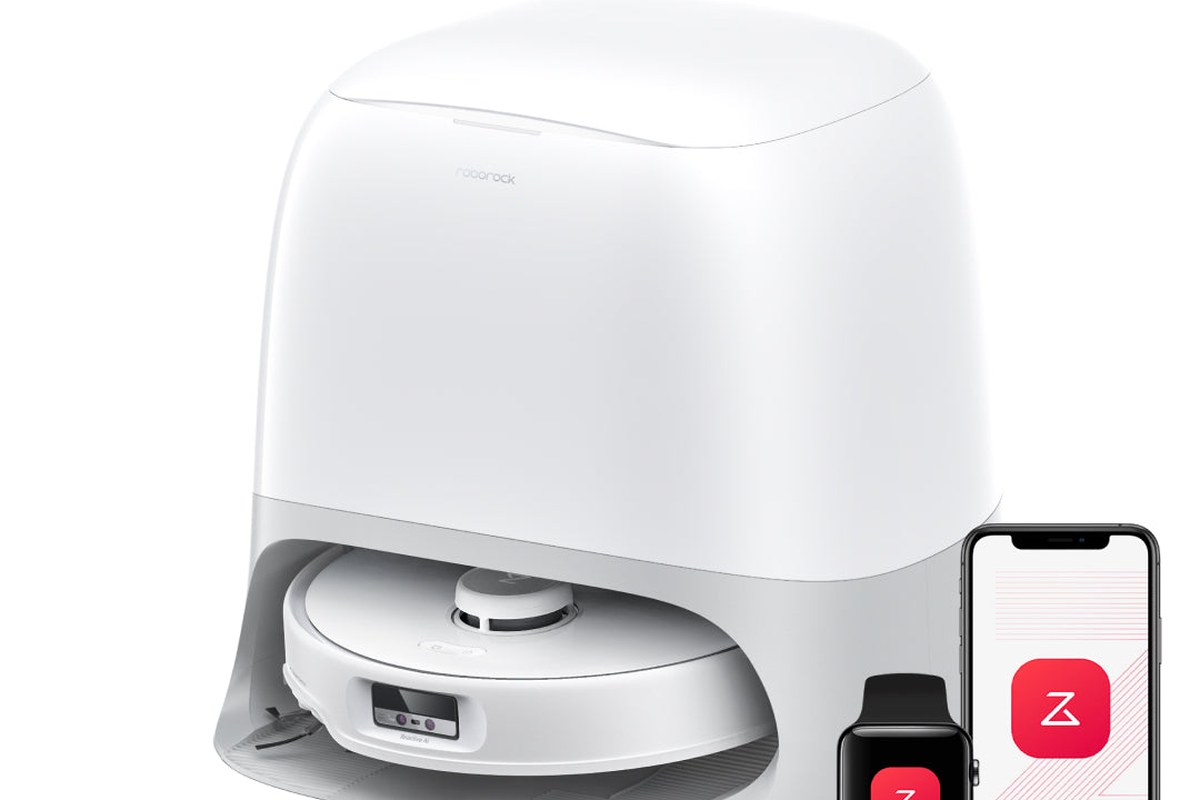
The rounded station gives the Qrevo Curv an immediately different appearance, but the more important changes are underneath the robot. DuoDivide reorganises the main brush around hair removal, while AdaptiLift changes the chassis height for selected obstacles and surfaces. Those are targeted answers to two familiar problems: long strands wrapped around rollers and a robot stranded at the boundary between rooms. A buyer with those problems has a clearer reason to investigate Curv than someone attracted by its place in the range. Start with the troublesome threshold and the household's hair load, then decide whether the documented mechanisms address the work you are actually doing manually.
Hair collection must be judged beyond the roller
DuoDivide uses two short parallel rollers to guide hair toward the centre intake, and the side brush is shaped to discourage wrapping. That design could reduce the unpleasant task of cutting long hair away from an axle. It cannot make string, lint and hair disappear from every moving part. Check whether long strands reach the bag, whether the small front wheel stays clear, and whether the dock empties reliably after several pet-heavy runs. The advertised suction number is a motor-side claim rather than a carpet-cleaning score. Brush contact, route and airflow all contribute, so a meaningful assessment needs remaining debris as well as a photograph of a clean roller.
A lifting chassis needs the right threshold
AdaptiLift is potentially valuable in older homes where room transitions are more complicated than a thin metal strip. A quoted maximum obstacle height, however, cannot describe every edge profile. A stepped threshold with a landing presents a different problem from a sharp vertical lip, and wheel grip changes with the material. Measure and photograph the transition before purchasing, then verify both directions during the return period. The robot also needs room to approach and leave it. If the difficult transition connects to a stair landing, physical protection takes priority over experimenting with the highest advertised crossing capability. Increased mobility should not expand access into an unsafe area.
Mopping and the importance of the edge
The dual rotating pads handle the broad floor, while an extending mop and side brush attempt to reduce the perimeter strip a round robot often misses. This is a more persuasive improvement in a kitchen with long runs of cabinets than in a nearly empty room. Watch what happens at table feet, inward corners and the toe-kick under an appliance, because extension still depends on correct positioning. The dock's up-to-75°C wash claim concerns cleaning the pads, not applying that temperature across your floor. Hot washing may help release oily residue, but the pad's condition, washing frequency and floor-safe detergent remain part of the result.
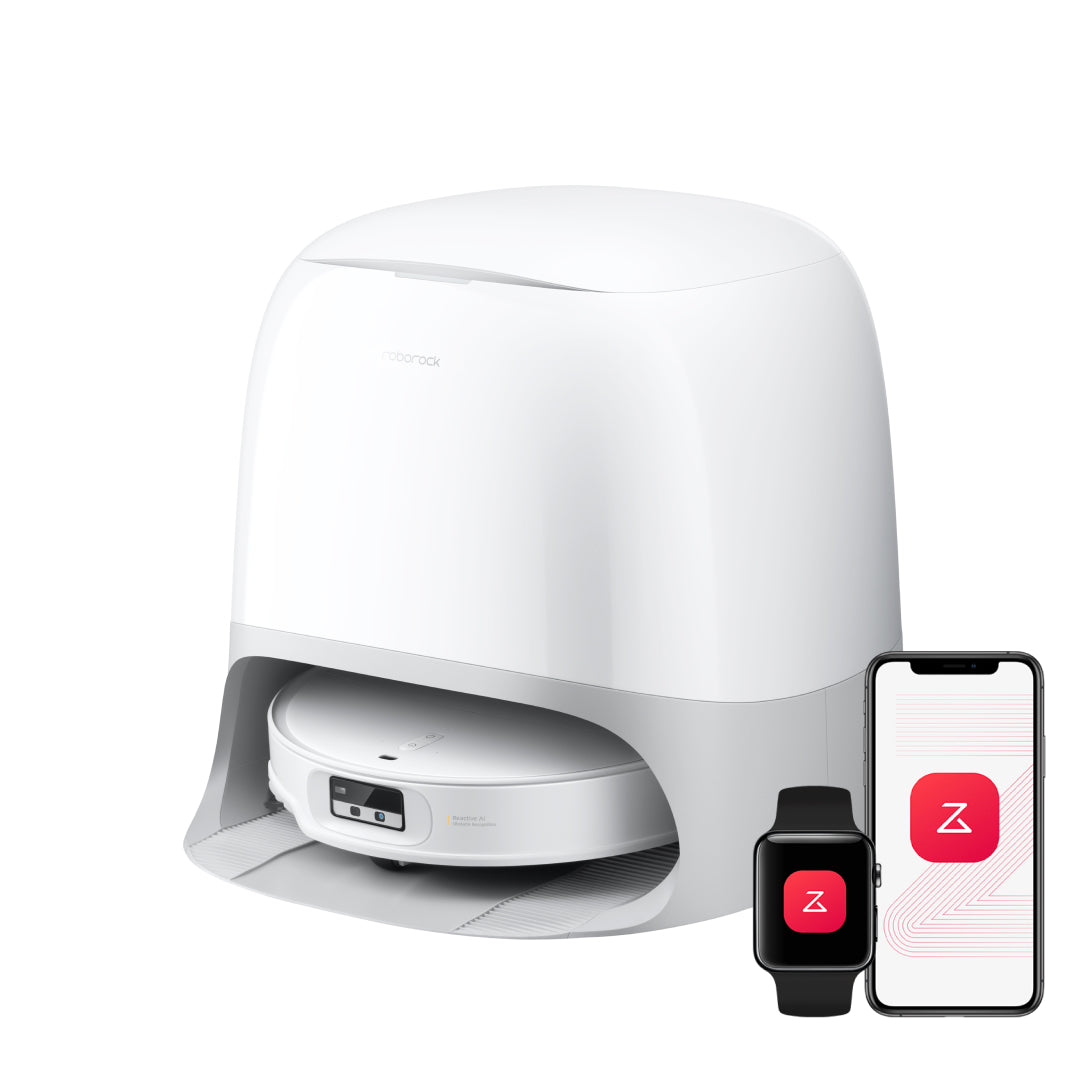
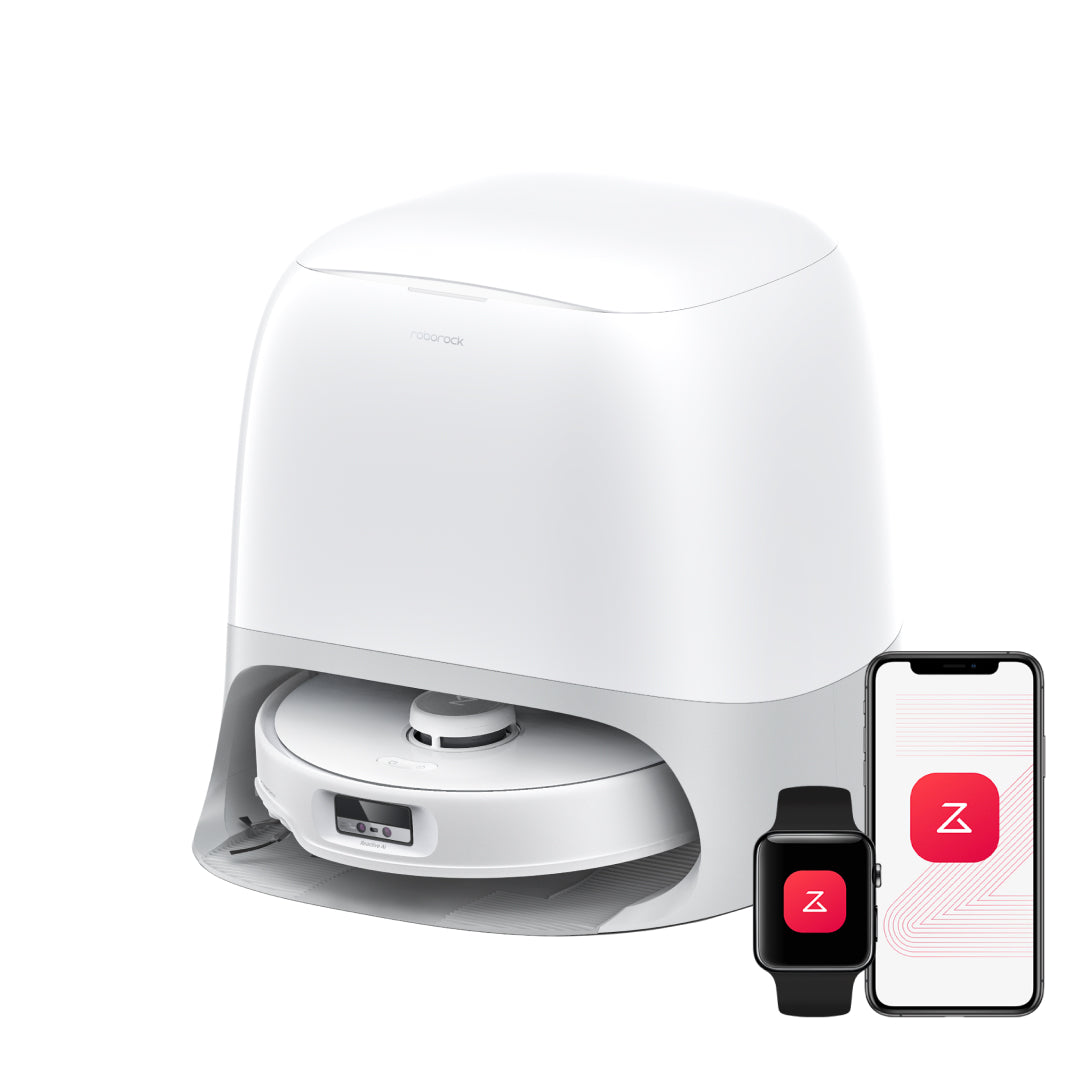
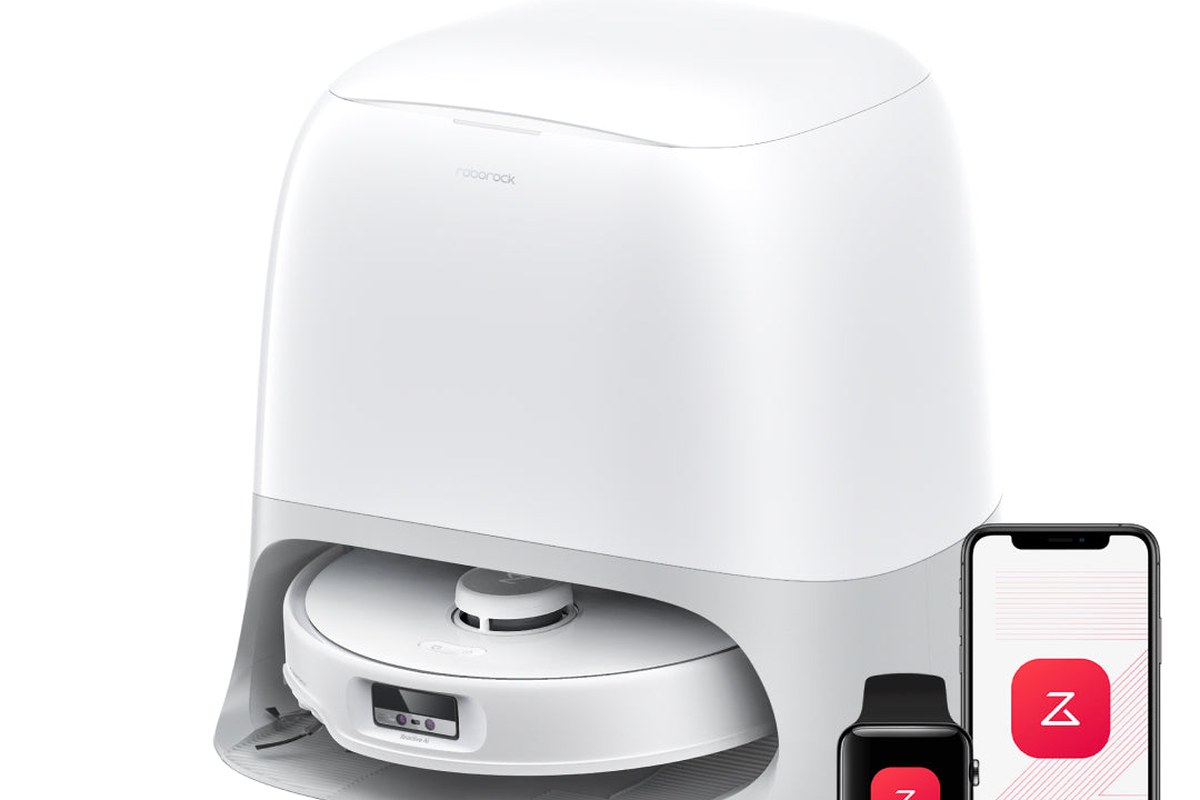
The rounded station is furniture with a job
The Curv's visual softness may help it fit a living space, but its working footprint includes the approach, tank removal and access for cleaning. Make a cardboard outline at the proposed site and rehearse carrying a full tank toward a sink. A beautifully tucked-away station that is difficult to service encourages postponed maintenance. The dock can empty dust, wash and dry pads and support repeated cleaning without constant hands-on attention. It still needs a clear intake path, clean tray and appropriate supplies. For a family room, consider the short auto-empty burst as well as the quieter drying interval when deciding whether the location is practical.
The right comparisons
The Qrevo Edge is the obvious companion comparison because it shares many of Curv's central cleaning ideas in a different station presentation. The CurvX adds a retractable navigation sensor and a lower minimum body profile, making furniture clearance a concrete reason to move upward. We would not select between them by suffix alone. Compare the exact dock, brush kit, navigation hardware and local service arrangements. The Curv remains a rational shortlist choice for hair and transitions, but this research cannot establish how often AdaptiLift succeeds in your doorway or how much carpet dirt its brush extracts. Those are the practical questions a home trial needs to settle.
Living with the rounded station
A cardboard station outline is particularly useful for Curv because a rounded shell can look visually smaller than the working space it needs. Put the outline in the proposed corner, leave the approach clear and rehearse lifting tanks with a shelf or countertop above them. Include a nearby place to set a dripping container during cleaning. The station should be convenient enough that wastewater is emptied promptly rather than left because accessing it requires moving a chair. If it lives in an open-plan room, listen for the emptying burst and drying interval during the trial. Cleaning noise and station noise are separate events. A location that is acceptable while the family is out may be irritating when someone works beside it all day, even if the robot itself runs in a moderate mode.
For Curv, the ownership test should explicitly follow hair through the system. Inspect the DuoDivide rollers, side-brush centre, small wheels, onboard bin and dock transfer after several ordinary pet-heavy runs. The point is not to contradict an anti-tangle claim with an artificial torture test, but to identify where this household's material accumulates. Long human hair may behave differently from fine undercoat or loose thread. Keep cleaning tools away from moving mechanisms and follow the instructions for removing parts. Record the time spent on maintenance as well as whether the floor looks clean. If a brush that needs less cutting still requires frequent clearing elsewhere, that is a different benefit from the broad impression of maintenance-free cleaning created by promotional language.
AdaptiLift should also be evaluated as part of the house's boundaries. More successful threshold crossing is useful, but it can make a previously inaccessible area accessible, including a space you intended to keep closed. Recheck no-go areas after mapping and retain physical protection at dangerous drops. Curv's camera and optional connected functions should be configured with the household's privacy expectations in mind, particularly if it maps bedrooms. Ask the seller about Canadian service before importing a US-listed example, and verify the exact replacement rollers rather than ordering by the word Qrevo alone. The strongest purchase case is a documented reduction in hair cutting and threshold rescues. If neither problem exists in the home, the curved dock's appearance is a preference rather than evidence of a better cleaning fit.
Sources & further reading.
These are the sources behind this research review. Manufacturer claims are not independent performance measurements. Community accounts, when cited, describe individual experiences.
Documentation reviewed: 9 October 2026. Product software and regional bundles can change. Corrections and editorial disclosures.