An editorial assessment of documented capabilities and ownership trade-offs. This is not a hands-on test result or a measurement of reliability.
Features & capability 30%8.6
Cancellation, ambient listening and voice processing create a broad in-ear feature set.
Compatibility & connectivity 20%8.6
The manual lists four codecs and detailed wireless profiles, subject to source compatibility.
Ownership & upkeep 20%6.7
Tiny rechargeable components and case contacts make used-condition checks essential.
Setup & everyday use 15%7.9
Compact earpieces suit portable use, but fitting and configuration need individual attention.
Documentation & support clarity 15%8.8
A model-specific help guide gives charging, mass, codec and temperature conditions.
Compare scores within the same product category. Small decimal differences should not override your needs or the evidence limits.
How the Standpoint Score works
We score five aspects of the documented product on a 0–10 scale, then calculate a weighted total:
- Features & capability30% of the total
- Compatibility & connectivity20% of the total
- Ownership & upkeep20% of the total
- Setup & everyday use15% of the total
- Documentation & support clarity15% of the total
This product’s 8.1/10 is a provisional research assessment. It does not claim measured performance, tested reliability or a verified customer satisfaction rate. Compare it with products in the same category, and read each criterion’s reasoning above.
Read the full rubric and score bands ↗The ownership case.
A capable documented toolkit for a listener who verifies fit, source compatibility and the condition of both earbuds and case before buying.
Reasons to consider it
- Several documented Bluetooth codecs and profiles
- Noise cancellation and ambient listening modes
- Small earpieces with an accompanying charging case
Go in knowing
- Personal fit can override the feature advantage
- Used battery and charging-contact condition require inspection
- Microphone, cancellation and acoustic performance remain unmeasured
The specification sheet.
Published specifications from the linked sources. Configurations and availability can differ by country.
- Bluetooth
- 5.3
- Codecs
- SBC, AAC, LDAC and LC3; compatible source/settings required
- Earbud mass
- Approximately 5.9 g each with medium tips
- Case mass
- Approximately 39 g
- Earbud charging
- Approximately 1.5 hours
- Case charging
- Approximately 2 hours
- Operating temperature
- 0–40°C
A small flagship makes fit the first specification
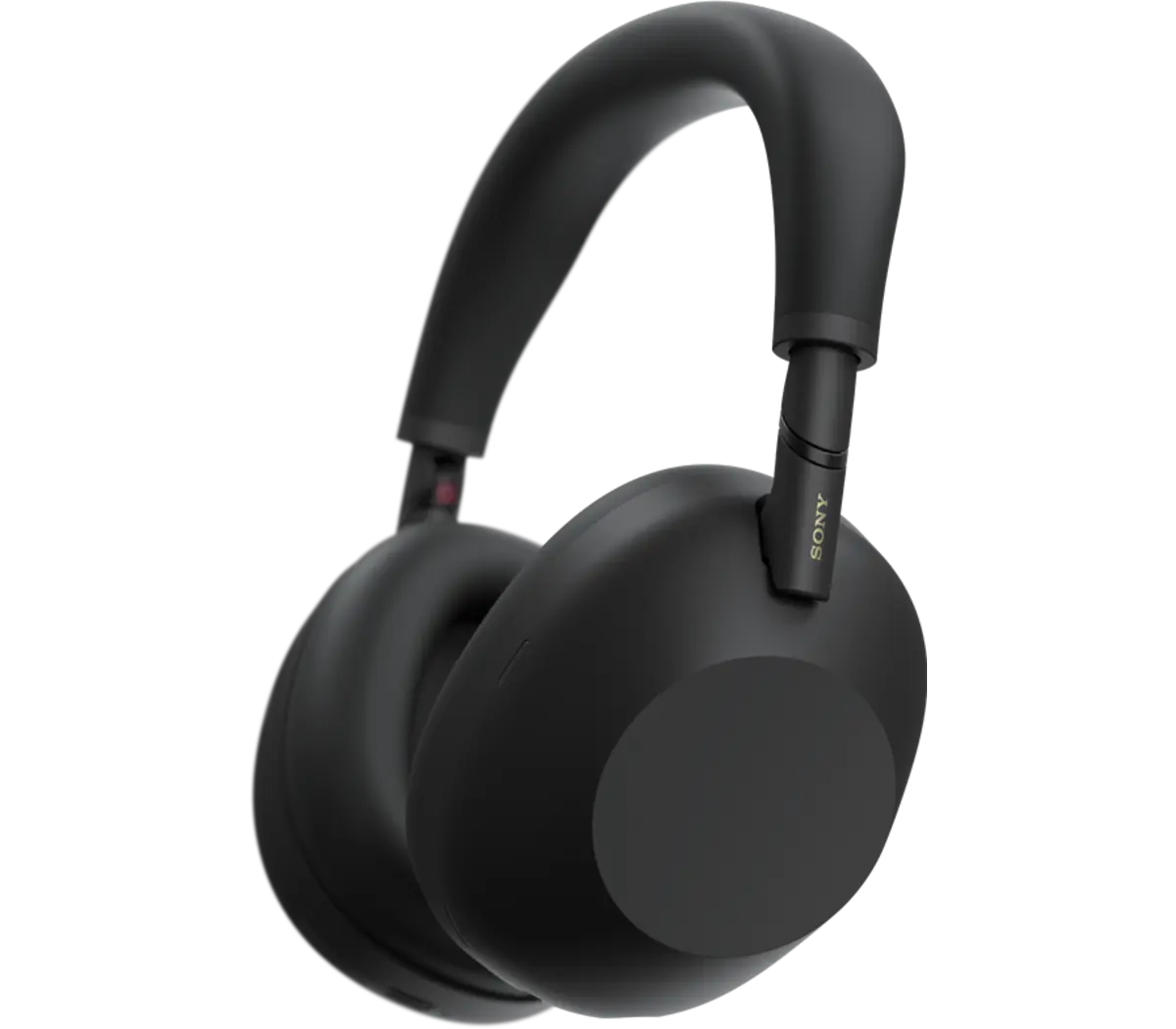
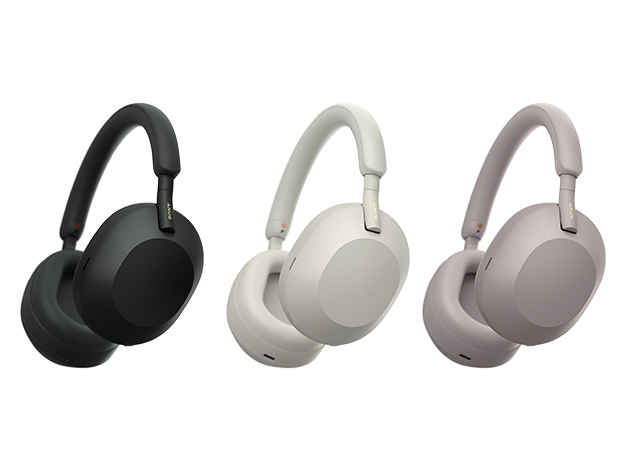
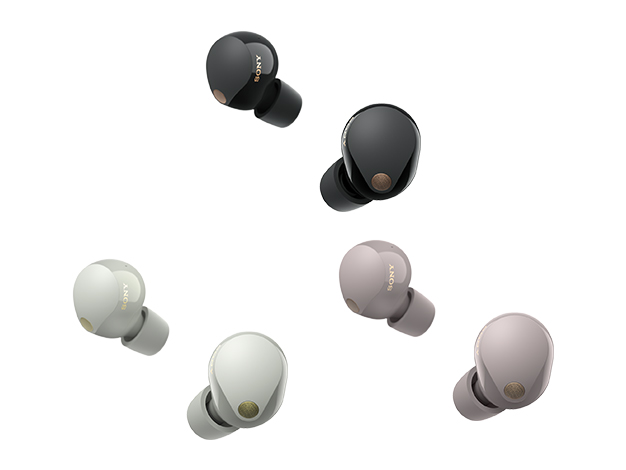
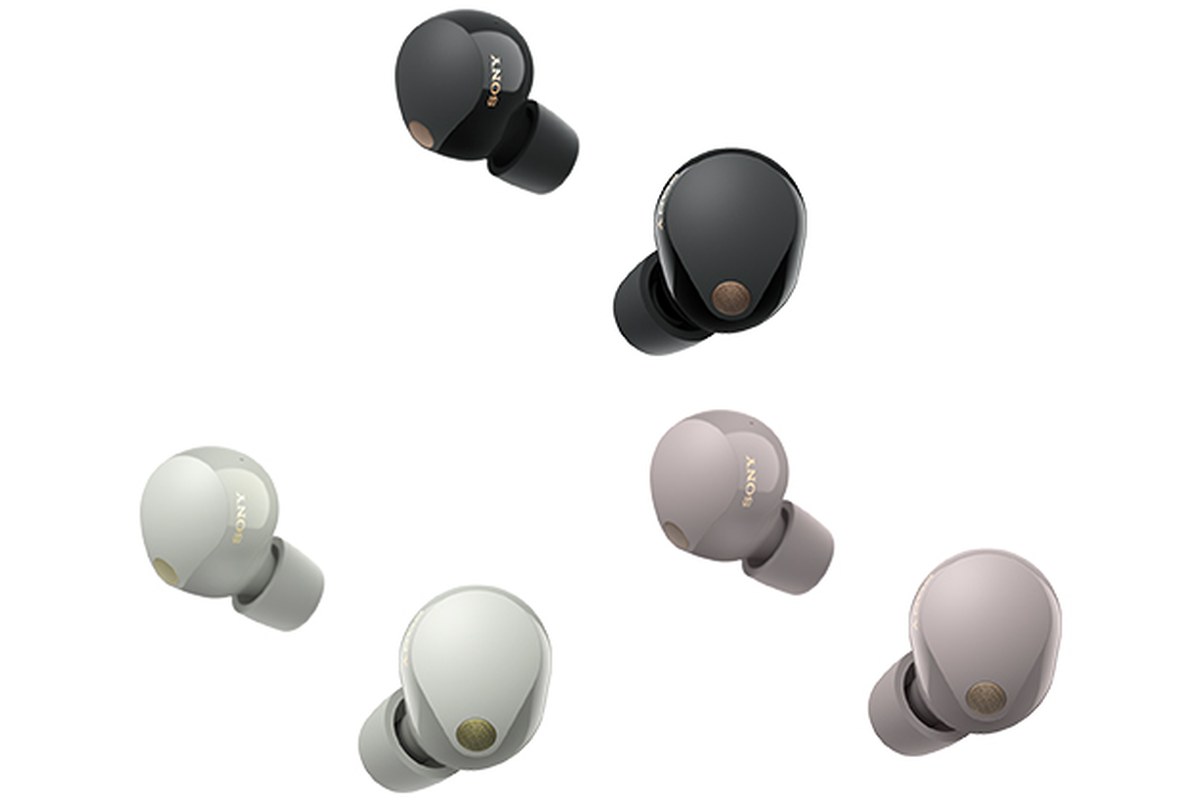
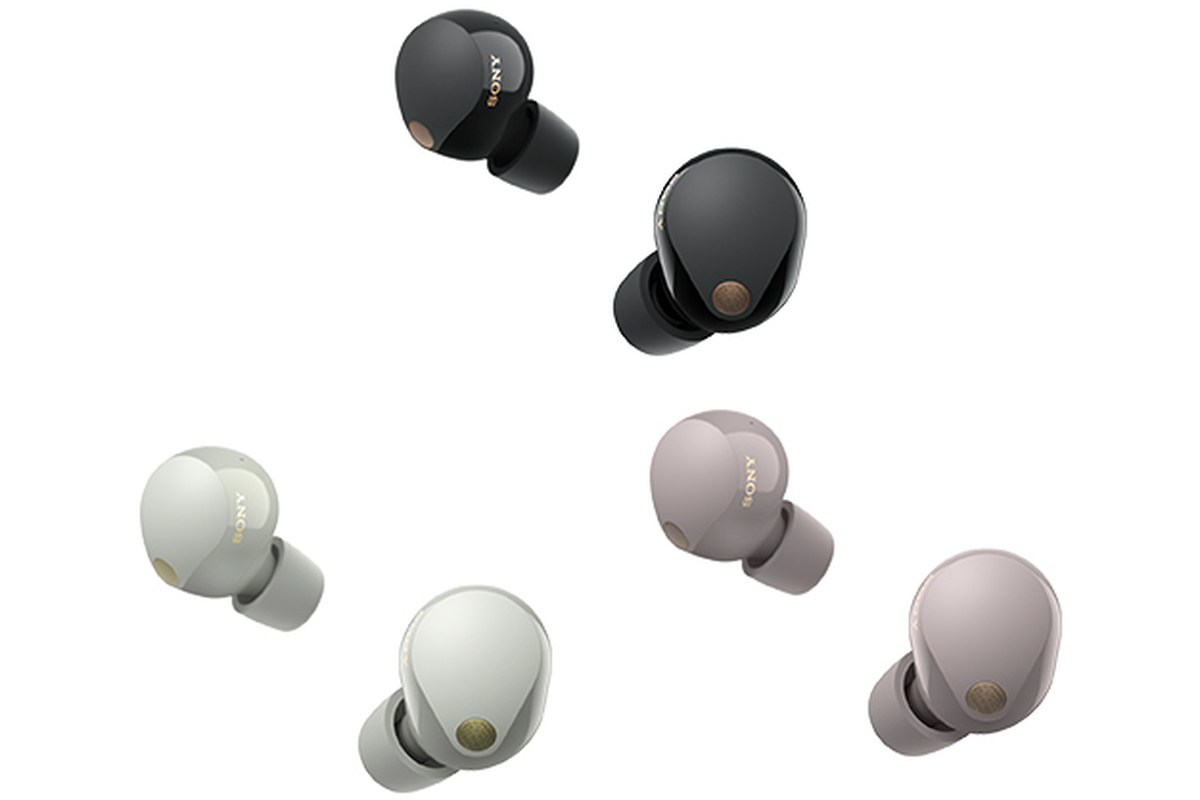
The WF-1000XM5 is a different proposition from Sony's similarly named over-ear headphones. It concentrates wireless listening, microphones and noise control into two small earpieces that must remain comfortably sealed inside the ears. For a buyer considering an older pair, that physical relationship comes before the prestige of the model. A bargain that causes discomfort after half an hour is not a bargain for commuting, and a glossy shell tells you nothing about the condition of the batteries inside.
Look for a seller who can identify both earpieces and the charging case, provide a receipt where available and explain what has been replaced. Mixed components deserve additional verification. This assessment uses Sony's product and help documentation, with no claim of measured cancellation or listening performance. The useful question is whether the documented functions fit a current routine and whether the actual set can still deliver that routine without repeated intervention.
Tips determine more than whether an earbud falls out
An earbud's seal affects both its stability and how it presents low frequencies. Begin by fitting each ear independently rather than assuming that a matched pair of tip sizes is always correct. Walk around indoors, move the jaw and speak normally. If the seal changes whenever you talk, the resulting listening experience may be inconsistent even though a static fit seemed secure. A larger tip is not automatically a better answer if it creates pressure.
Budget for fresh, appropriate tips when buying used. They are a contact surface and a functional part of the design, not merely packaging accessories. Check the manufacturer's cleaning and replacement instructions before using a solvent or fitting a different material. Third-party tips can change case clearance as well as the seal. Confirm that the lid closes normally and both earpieces charge after any change. A seller's claim that every tip fits every generation is insufficient evidence of compatibility.
The codec list describes possible paths, not guaranteed upgrades
Sony's help guide lists Bluetooth 5.3 with SBC, AAC, LDAC and LC3. These names identify supported communication options; they do not establish that a particular phone, computer or application will use every option. A buyer should map the actual sources first. An iPhone-centred routine, an Android handset and a work laptop may present quite different settings and restrictions even when all three can play ordinary Bluetooth audio.
Test the connection in the place you intend to use it, with the phone where it normally sits. A pocket, backpack or crowded transit environment can be more revealing than holding the source beside the earbuds. If a higher-quality mode makes the link less dependable in your conditions, a stable alternative may be preferable. Likewise, latency should be assessed with the intended video or game rather than inferred from a Bluetooth version. The provisional score credits the documented range of options without inventing a wireless performance measurement.
Noise control needs a realistic demonstration
The XM5 offers active cancellation and an ambient listening route. Try those modes before turning music up, using a familiar room where the background is reasonably stable. That helps separate the effect of processing from the simple masking caused by louder playback. Then introduce a different kind of sound, such as conversation at an ordinary distance. A strong result with a constant fan does not establish the same effect on short, irregular noises.
Inspect whether both earpieces behave consistently when their mode changes. Cleaning, fit and settings should be checked before drawing a conclusion about a fault, but a persistent imbalance is a reason to pause the purchase. Ambient listening also deserves a speech trial: can you comfortably follow someone without repeatedly removing an earbud? It remains a convenience function, not certified protection or a substitute for attention around traffic. This review makes no claim that a specific level of cancellation has been independently measured.
Calls are a second product hidden inside the earbuds
Sony promotes microphone processing and bone-conduction sensing for voice pickup. For a buyer, the relevant output is the voice heard at the other end of a call. You cannot judge it from the quality of music arriving in your own ears. Use the intended conferencing or calling application and ask the other person about intelligibility during ordinary speech, not only whether they can hear you at all.
A useful test includes quiet speech, a short pause, a turn of the head and the background that actually occurs at your desk. Deliberately creating extreme noise may be dramatic but can be less informative than a normal keyboard or ventilation system. Check that the operating system has selected the expected input and output. For someone attending long meetings, comfort and the need to recharge may outweigh optional music features. Consider whether a simple dedicated work headset would solve the communication problem with fewer compromises.
Small batteries turn the charging case into an essential component
The help guide gives approximate charging times of one and a half hours for the earbuds and two hours for the case, while noting that conditions alter charging and use time. The case is therefore part of the product's practical health assessment. Inspect its hinge, port and charging contacts, and confirm that each earpiece is detected consistently rather than only after being pushed or repositioned.
Test left and right endurance under the same session. Some difference can arise from operating roles and settings, so a percentage discrepancy alone is not a diagnosis; an earpiece repeatedly shutting down much earlier deserves investigation. Ask whether a replacement component is supported and what service would cost before assuming a failed battery can be cheaply repaired. A used wireless earbud is a compact electronic system with several batteries and contact points. Its low purchase price should leave enough room for uncertainty about those parts.
Setup and upkeep should remain proportionate to the benefit
Install the official Sony companion application if you want the configuration features it provides, then review the choices deliberately. Start with a straightforward listening setup and add automation only where it saves effort. Enabling every available response to speech, movement or location can make it harder to identify why playback paused or a listening mode changed. Keep a note of the settings that matter before experimenting extensively.
Clean the earpieces using the model's instructions and allow them to dry before charging when appropriate. The documented splash resistance of the earbuds should not be extended to an assumption that the case tolerates water or that resistance remains unchanged after damage. For Canadian winter use, follow the stated operating and charging conditions rather than treating a pocket-sized product as immune to temperature. Software support and replacement-tip availability should be checked in the country of purchase, especially for an imported set with an unclear sales history.
Buy the remaining usefulness, not the original status
The older WF-1000XM5 can be attractive when it fits securely, works with the buyer's actual sources and is supplied as a complete, healthy set. It is less attractive when the transaction prevents an endurance trial or the price approaches a newer product with a clear warranty. A polished charging case and a successful pairing animation do not resolve the most consequential ownership questions.
Compare against alternatives using the complete routine: several hours of comfortable listening, a call, a recharge and a return to the previous device. Include fresh tips and any service uncertainty in the cost. Owners of a functioning set should not assume that a later generation automatically solves a problem they do not have. Our provisional assessment favours the XM5's documented flexibility while leaving sound, cancellation strength, microphone quality and battery condition open to direct evaluation. Those are exactly the areas that a future physical review should establish with repeatable observations.
Sources & further reading.
These are the sources behind this research review. Manufacturer claims are not independent performance measurements. Community accounts, when cited, describe individual experiences.
- Sony WF-1000XM5 official product information ↗manufacturer
- Sony WF-1000XM5 Help Guide specifications ↗manual
- Sony Japan WF-1000XM5 imagery ↗manufacturer
Documentation reviewed: 9 October 2026. Product software and regional bundles can change. Corrections and editorial disclosures.