An editorial assessment of documented capabilities and ownership trade-offs. This is not a hands-on test result or a measurement of reliability.
Task capability 30%8.8
Communication, workout and overnight features form a broad everyday toolkit; research does not establish sensor accuracy.
Control & connectivity 20%8.8
Crown, touch, gestures and optional cellular offer flexible interaction within the iPhone ecosystem.
Ownership & upkeep 20%7.2
Fast charging helps, but the normal-use battery claim still implies frequent charger access.
Setup & usability 15%8.4
Two sizes help fit, while phone, carrier and feature eligibility need checking before setup.
Documentation & support clarity 15%9.0
Apple provides detailed model specifications and explicit battery and regional feature conditions.
Compare scores within the same product category. Small decimal differences should not override your needs or the evidence limits.
How the Standpoint Score works
We score five aspects of the documented product on a 0–10 scale, then calculate a weighted total:
- Task capability30% of the total
- Control & connectivity20% of the total
- Ownership & upkeep20% of the total
- Setup & usability15% of the total
- Documentation & support clarity15% of the total
This product’s 8.5/10 is a provisional research assessment. It does not claim measured performance, tested reliability or a verified customer satisfaction rate. Compare it with products in the same category, and read each criterion’s reasoning above.
Read the full rubric and score bands ↗The ownership case.
Series 11 makes the strongest case for iPhone owners who want one watch for communication, exercise and overnight trends; its battery routine and regional health-feature conditions deserve close attention.
Reasons to consider it
- Broad communication and workout functions
- Two case sizes and different front-glass materials
- Fast charging supports a day-and-night routine
Go in knowing
- Requires a compatible iPhone
- Cellular service adds separate carrier requirements
- Health functions depend on eligibility, location and software
The specification sheet.
Published specifications from the linked sources. Configurations and availability can differ by country.
- Case choices
- 42 mm or 46 mm; aluminum or titanium
- Display
- Always-on OLED; up to 2,000 nits advertised
- Advertised battery
- Up to 24 hours normal use; 38 hours Low Power Mode
- Charging
- Apple claims about 30 minutes to 80%
- Phone requirement
- iPhone 11 or later, or SE 2nd generation or later; iOS 26+
The reason to choose the ordinary Apple Watch
Series 11 is most interesting as an everyday companion that reduces small amounts of phone handling. A timer while cooking, a glance at a calendar appointment and a workout started from the wrist can be more valuable than an impressive sensor catalogue. Its broad scope also creates a buying trap: a person can pay for a very capable watch and use it primarily as an additional notification screen. Before choosing a case finish, identify the three jobs that would justify wearing it from breakfast through bedtime.
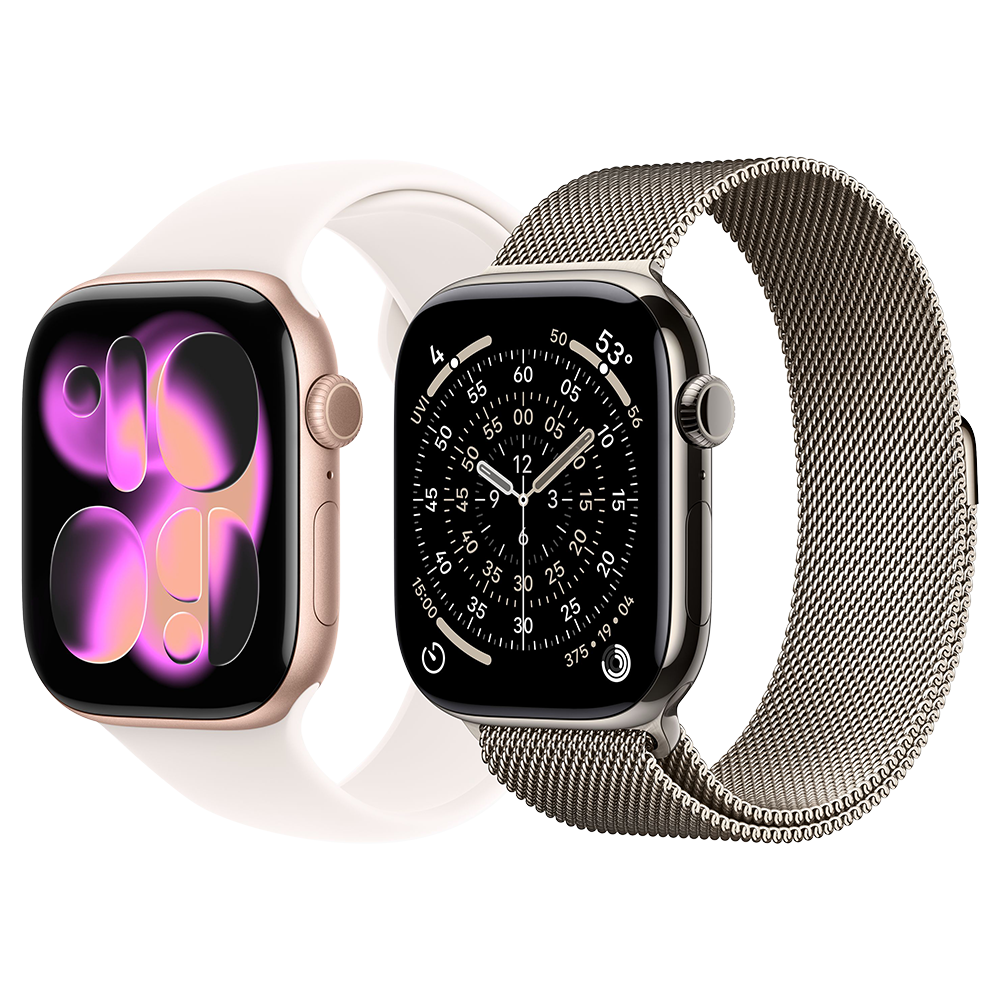
The reviewed family includes both sizes and case materials. Apple specifies 42 mm and 46 mm bodies, with different front glass on aluminum and titanium versions. That choice changes comfort and the materials proposition; it does not turn the more expensive finish into a separate fitness platform. Try the size with the intended strap rather than assessing only a display model sitting loose on a counter.
The phone relationship is the first compatibility test
Apple lists a compatible iPhone running iOS 26 as a requirement. That immediately places Series 11 in a household decision about the phone as well as the watch. Someone considering a switch to Android should include the watch in the cost of that move. Conversely, an owner already comfortable with Apple's account, messages and Health app has less conceptual setup work than a buyer entering the ecosystem solely for this wearable.
GPS and cellular configurations deserve separate consideration. Cellular can make a short outing less dependent on carrying a phone, subject to a suitable plan and coverage. It also adds an ongoing service relationship. List the actual outings where the phone stays behind and check carrier support in Canada or the United States before assigning value to the cellular option. An occasional run around the neighbourhood may produce a different answer from a job where phone access is regularly inconvenient.
A readable display still needs a restrained interface
The always-on display is specified to reach 2,000 nits at peak. That is a manufacturer capability, not our measurement of outdoor readability. Practical legibility also depends on the face, text size and how briefly the user can look at it. A crowded face can waste the available screen even when every element is technically visible. Put the next appointment or workout shortcut where it can be understood without deciphering a miniature dashboard.
The crown, side button, touch controls and supported gestures offer several routes into the interface. Their usefulness should be tested in the circumstances that prompted the purchase: carrying groceries, wearing winter clothing or exercising with damp hands. A gesture that is convenient at a desk may not be the preferred action during movement. Notification selection matters equally. Allowing every app to interrupt can make the watch feel busier without making the wearer better informed.
Charging is part of overnight tracking
Apple's normal-use claim is up to 24 hours, with a longer Low Power Mode figure under different conditions. The company also advertises fast charging, including approximately 30 minutes to reach 80%. These are not promises that every day of navigation, cellular use and exercise will finish at the same battery level. The useful question is whether the wearer can create a reliable charging window while still collecting the overnight information they want.
A morning shower, desk break or evening reading period could provide that window. Try the routine before committing to sleep tracking as a reason to buy. If the only habitual charging time is overnight, the watch cannot simultaneously be on the wrist collecting that night's data. A second cable may be useful for travel or work, but it is another accessory to budget for and remember. Battery endurance should eventually be evaluated with the owner's real settings rather than a reduced configuration chosen to flatter a benchmark.
Workouts benefit from deliberate screen choices
Series 11 supports a wide range of workout functions, but breadth does not automatically provide clarity during a session. A runner may need elapsed time and pace prominently displayed, while someone following intervals needs the next transition to be unmistakable. Configure the screens before the first important event. Stopping at a junction to discover an unfamiliar menu is a usability problem even if the underlying feature list is comprehensive.
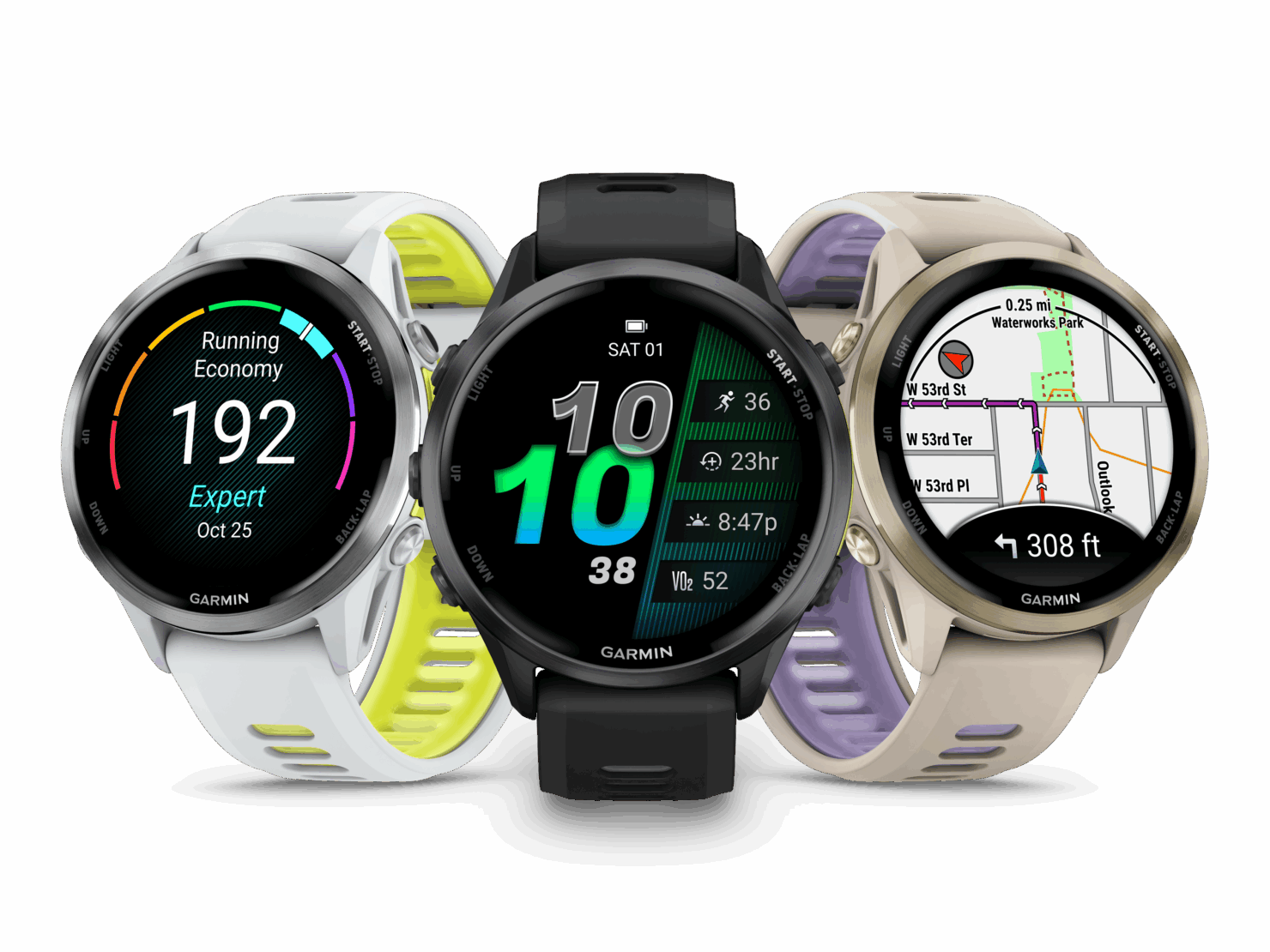
For a more specialised athlete, compare the entire workflow with a dedicated sports watch. Consider route preparation, button use, battery reserve and how training history is reviewed afterwards. Series 11 has a strong argument when exercise shares priority with everyday communication. It is harder to justify purely from a list of sports modes if the owner wants a focused training instrument and rarely uses the connected functions. Our research cannot establish GPS track quality, heart-rate agreement or comfort across a long event.
Health information needs careful interpretation
Apple's documents describe sleep scores, an ECG app, and irregular-rhythm, sleep-apnea and hypertension notifications, with age, regional and other eligibility conditions. Those conditions are part of the product rather than small print to ignore. A US feature description should not be assumed to establish availability for a Canadian account, and a notification feature should not be confused with a measurement tool that it is not. Confirm the specific function that motivated the purchase in current local documentation.
The most constructive ownership question is how the information will be used. Consistent trends can support a personal record, but a single number can also encourage needless comparison with somebody else's watch. This review does not validate clinical accuracy or interpret a reading. We would assess whether the app explains missing nights, presents limitations clearly and lets the owner find the underlying information without treating every change as a significant event.
Privacy, physical care and the total package
Messages and health information on the wrist are visible in a different setting from a locked phone. Review what appears in notification previews and consider where the watch is worn at work. Examine the permissions granted to connected apps before allowing a new service to read historical data. The useful setup is the one that provides the features actually wanted while keeping unfamiliar integrations out of the routine.
Strap comfort, cleaning and replacement are part of long-term usability. The best-looking band in a product photograph may not be the one the wearer wants during exercise or sleep. Consider a suitable second strap before paying more for a decorative case finish. Water-related claims should be read alongside Apple's permitted uses and care guidance, particularly for a used watch whose history is unknown. Cosmetic condition alone does not establish battery health or remaining resistance to water exposure.
Where Series 11 earns its place
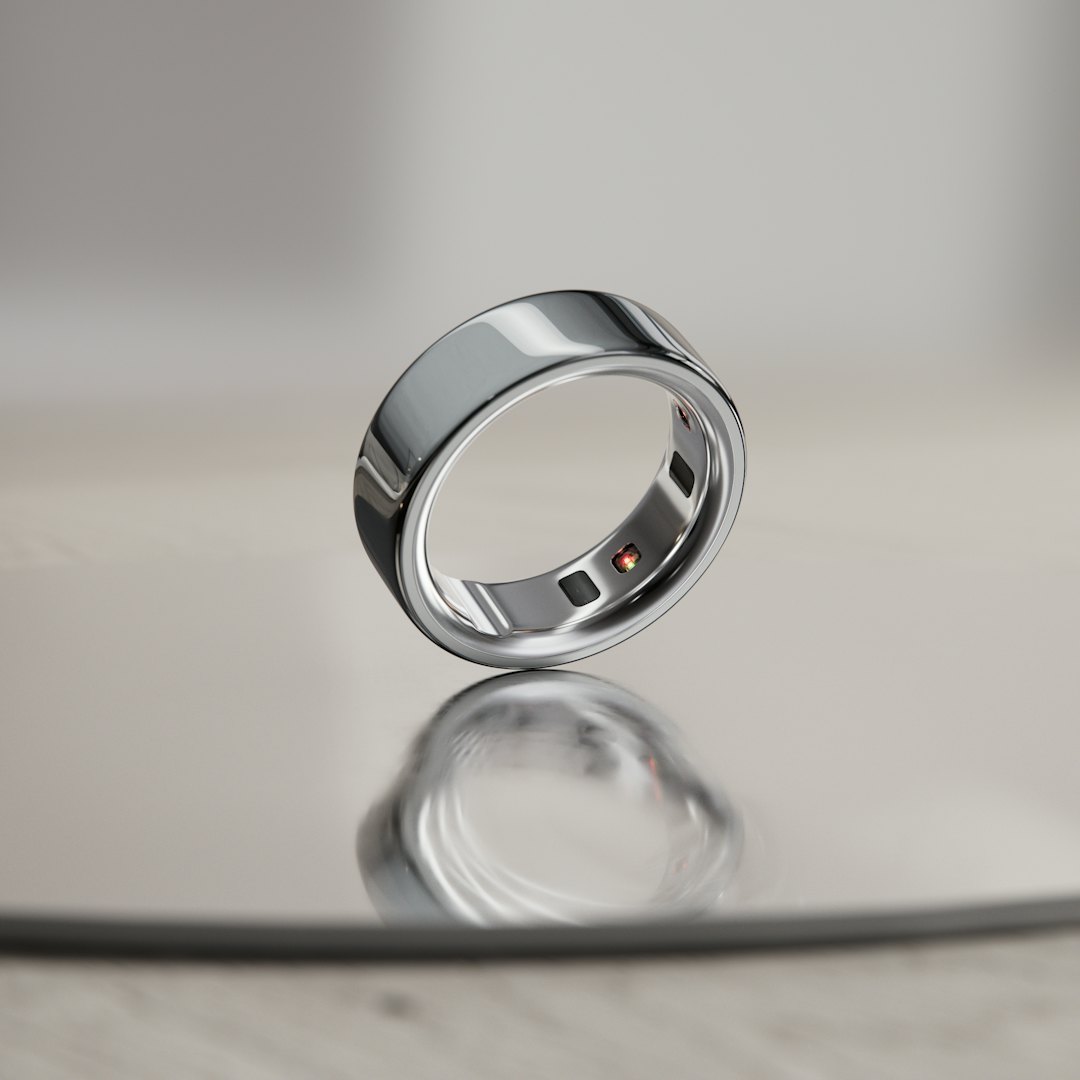
The strongest buyer is already an iPhone user and wants communication, exercise logging and overnight trends in one familiar system. For that person, the connected breadth can justify the charging routine. A buyer mainly seeking unobtrusive sleep records should also consider a ring; someone prioritising long activities and map handling should compare dedicated sports watches. Those alternatives solve different problems rather than occupying a simple good-better-best ladder.
Our next hands-on work would concentrate on notification restraint, overnight comfort, charge timing and battery reserve after a normal mixed day. We would also test interface accessibility during movement and document which features are active in each region. Until that evidence exists, Series 11 earns a favourable provisional assessment for documented versatility and clear support material. It does not earn an unqualified claim that its sensors, battery or health notifications outperform every rival.
Sources & further reading.
These are the sources behind this research review. Manufacturer claims are not independent performance measurements. Community accounts, when cited, describe individual experiences.
- Series 11 — official US technical specifications ↗manufacturer
- Series 11 — Apple introduction and feature conditions ↗manufacturer
Documentation reviewed: 9 October 2026. Product software and regional bundles can change. Corrections and editorial disclosures.