Not tested. This is a research score for the documented features, compatibility and ownership trade-offs discussed in this review, not a performance measurement.
Task capability 30%8.0
Sleep and daily records form a focused package, with identified outside observations and clear limits on interpreting health estimates.
Control & connectivity 20%7.6
Activity editing and integrations are documented; route records and detailed interpretation depend on the phone and service.
Ownership & upkeep 20%6.8
Membership cost, a fixed size and the non-replaceable battery weigh against the multi-day charging appeal.
Setup & usability 15%7.8
Correct kit sizing and a compatible charger are essential; comfortable screen-free wear is supported by an identified outside reviewer.
Documentation & support clarity 15%8.8
Current help pages explain battery test settings, subscription access, data export and generation-specific charging restrictions.
Compare scores within the same product category. Small decimal differences should not override your needs or the evidence limits.
How the Standpoint Score works
We score five aspects of the documented product on a 0–10 scale, then calculate a weighted total:
- Task capability30% of the total
- Control & connectivity20% of the total
- Ownership & upkeep20% of the total
- Setup & usability15% of the total
- Documentation & support clarity15% of the total
This product’s 7.8/10 is an editorial research assessment. It does not claim measured performance, tested reliability or a verified customer satisfaction rate. Compare it with products in the same category, and read each criterion’s reasoning above.
Read the full rubric and score bands ↗From a tech standpoint.
Buy the titanium Ring 4 if you want sleep and daily trends without a wrist screen, accept US$5.99 or CA$7.99 a month on top of the hardware, and will spend 24 hours getting the size right. Android Central's Derrek Lee reported comfortable extended wear and seven days between charges, which supports the appeal. Skip it if you want live workout controls, refuse recurring fees, or need a replaceable battery; without membership you get three daily scores and little else.
Reasons to consider it
- No screen, so nothing to check and nothing on the wrist overnight; Lee found it comfortable for extended wear
- Lee reported seven days between charges with one or two manually logged workouts a day
- Current support pages spell out activity editing, membership limits and data export
Go in knowing
- Detailed insights need continuing membership: US$5.99/month or $69.99/year, CA$7.99/month or $89.99/year before tax
- Fixed size and a sealed, non-replaceable battery make the used market and long-term value harder to judge
- Sleep, readiness and stress are estimates against a personal baseline, not clinical measurements
Affiliate link. As an Amazon Associate, Tech Standpoint earns from qualifying purchases. It never changes our verdict or score. Disclosure
The specification sheet.
Published specifications from the linked sources. Configurations and availability can differ by country.
- Reviewed model
- Titanium Oura Ring 4; separate from Ring 4 Ceramic
- Body
- 7.9 mm wide; approximately 2.88 mm thick; 3.3–5.2 g by size
- Sizes
- 4–15; generation-specific whole-size fitting kit
- Rated battery / charging
- Typically 5–8 days; dock charging typically 20–80 minutes
- Membership before tax
- US$5.99/month or $69.99/year; CA$7.99/month or $89.99/year
- Charging hardware
- Included size-specific dock; separate compatible Ring 4 travel case available
Buy the device you will actually keep wearing
Oura Ring 4 makes sense when the device you are willing to wear matters more than the one with the longest feature list. Take a watch off at bedtime and you lose the record you wanted most. A ring can solve that while leaving the wrist free for a mechanical watch or a sports device used only during exercise. It also removes the urge to check a screen every few minutes; the information lives on the phone, where you can look when it is actually useful.
This covers the titanium Ring 4, drawing on current Oura documentation and Derrek Lee's identified testing for Android Central. Tech Standpoint has not conducted its own sleep-lab or sensor-accuracy trial. Lee reported comfortable extended wear and seven days of battery life. Those observations support the practical appeal without establishing universal fit or clinical accuracy. A ring still has to be the right size for your hand, and the app still has to answer questions that outlast the novelty of week one. Settle those two things before choosing a colour.
Titanium and recessed sensors are a real change
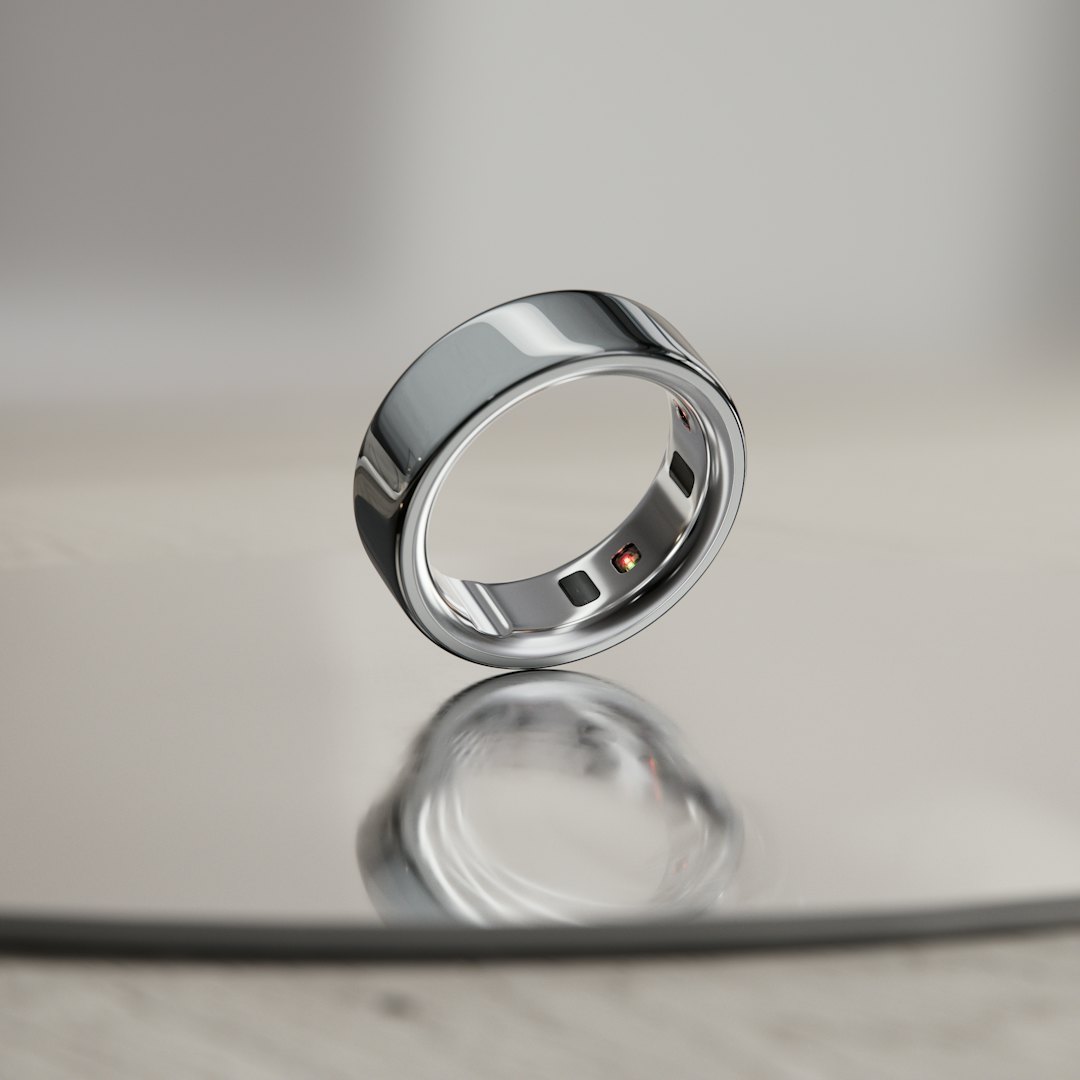
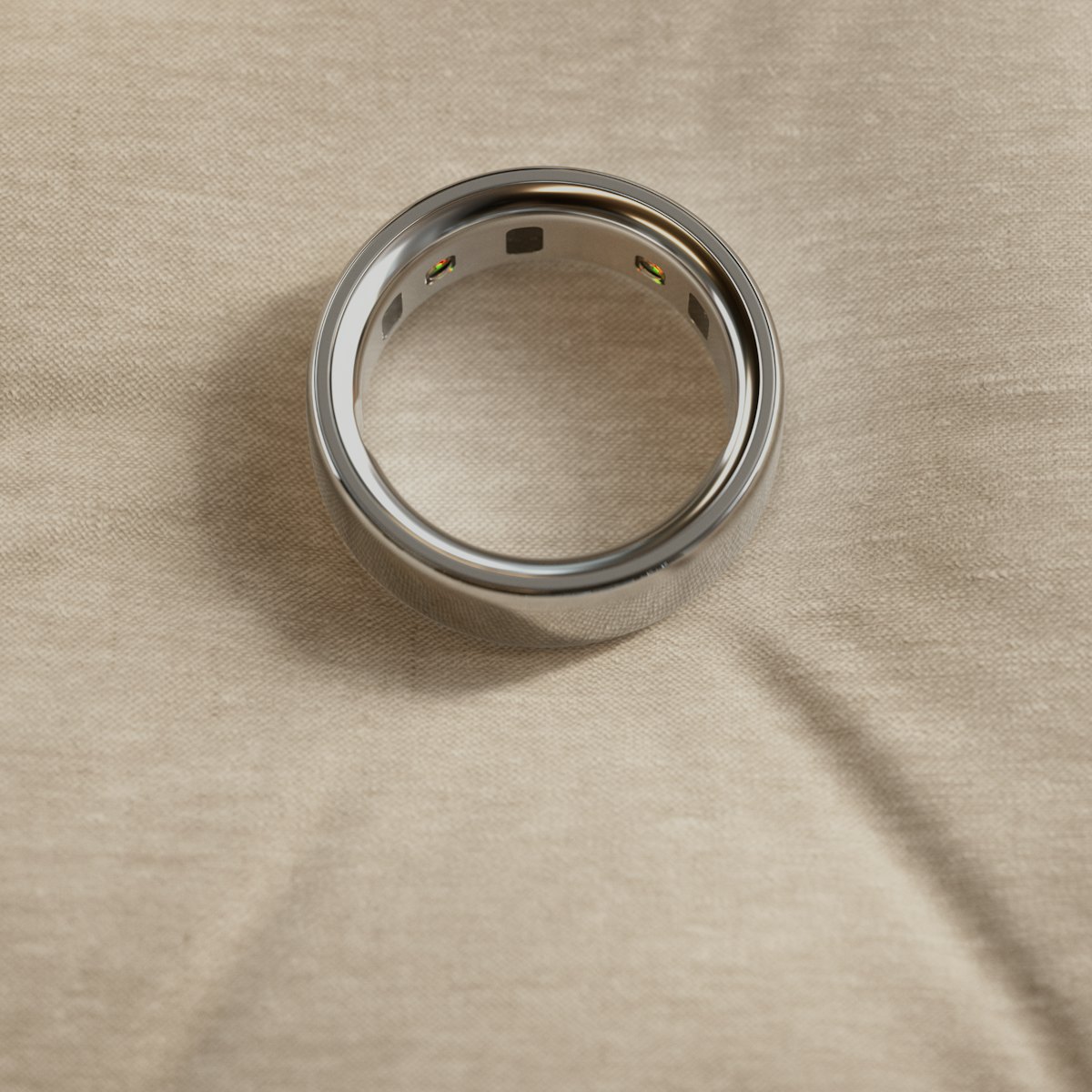
The titanium model is 7.9 mm wide and roughly 2.88 mm thick, weighing 3.3 to 5.2 g depending on size, with a titanium interior and recessed sensors. Ring 4 Ceramic is a separate, thicker construction, so a photo of that version should not set your expectations for this one. The supplied close-up below shows the titanium interior; it is manufacturer imagery, not a photograph from any testing. Look at the width as well as the weight when thinking about comfort.
A light ring can still sit broad between adjacent fingers, especially for someone who does not normally wear jewellery. Try the fit gripping a steering wheel, carrying a bag and pulling on gloves. Looks matter because you will see the thing every day, but they come after deciding whether the shape belongs on your hand at all. Paying for a finish does not improve the data. If visible wear will bother you, think about the surfaces you touch through an ordinary day rather than judging durability from a pristine product shot.
Use the Ring 4 sizing kit, then give it a full day
Oura uses whole sizes 4 to 15 for Ring 4, and its guide says the sizing differs from standard US jewellery sizes and from other Oura generations. Use the kit labelled for Ring 4. The guide recommends wearing a sizer for at least 24 hours, including sleep, and a snug rather than tight fit. It suggests the index finger for accuracy, with the middle or ring finger also acceptable. The plastic sizer represents width and circumference, not the final ring's exact weight or feel.
This step is closer to trying on shoes than setting up software. A size that feels fine at a desk can be wrong by evening. Test the finger you intend to use and keep another suitable finger as a fallback. Do not choose a tighter size to chase a better reading if it hurts. For a gift, involve the recipient in sizing and in the decision to wear a ring at all; an expensive finish cannot compensate for one that stays in its box. Confirm the exchange process before committing to a final size.
Sleep trends beat a nightly verdict
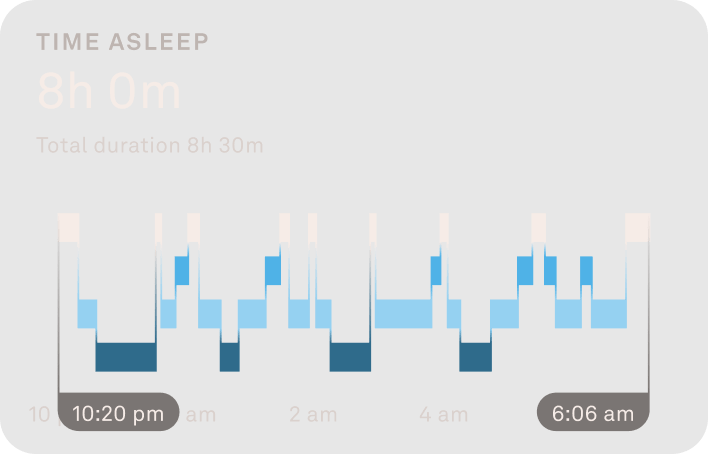
Oura's current sleep documentation separates total sleep, efficiency, restfulness, REM, deep sleep, latency and timing as contributors to its score. That is more useful than treating the headline number as a judgement on the whole night. If a late bedtime is the problem you already know about, a stage chart adds less than a consistent record of when you actually went to bed. The supplied screenshot below illustrates the app's presentation; its numbers are demonstration data.
In Lee's Android Central review, his sleep-stage results were broadly similar to his Pixel Watch 3, generally with slightly shorter times on the ring. Agreement between two consumer wearables is encouraging context, not validation against laboratory sleep measurement. Use the record to spot repeated habits and gaps, and separate what the device estimates from what you remember. A rough night does not need a perfect numerical explanation to be worth fixing, and a good score is no reason to ignore persistent symptoms. This is a wellness record, not a replacement for clinical assessment.
Readiness and stress should leave room for your own judgement
The Readiness view combines temperature trends, heart rate and sleep among its inputs. Daytime Stress is different: Oura says it estimates physiological response against a personal baseline, not emotions. Its documentation requires at least five days of continuous wear before results appear and explains that updates happen during relatively inactive waking periods. Gaps can come from movement, poor fit or cold hands, so a missing segment does not mean the ring observed a perfectly calm stretch.
These features earn their keep when they prompt a question you can investigate. What changed, and does the record repeat over several days? They are less useful when a colour on a screen becomes an order to reorganise the day regardless of how you feel. Oura's stress guide also cautions that suggested associations do not prove causation. A tag makes history easier to read; it does not establish that the tagged event caused anything. Decide whether that style of feedback helps you reflect or just hands you another score to worry about, because either reaction changes what the subscription is worth.
Activity detection saves logging, with some editing left over
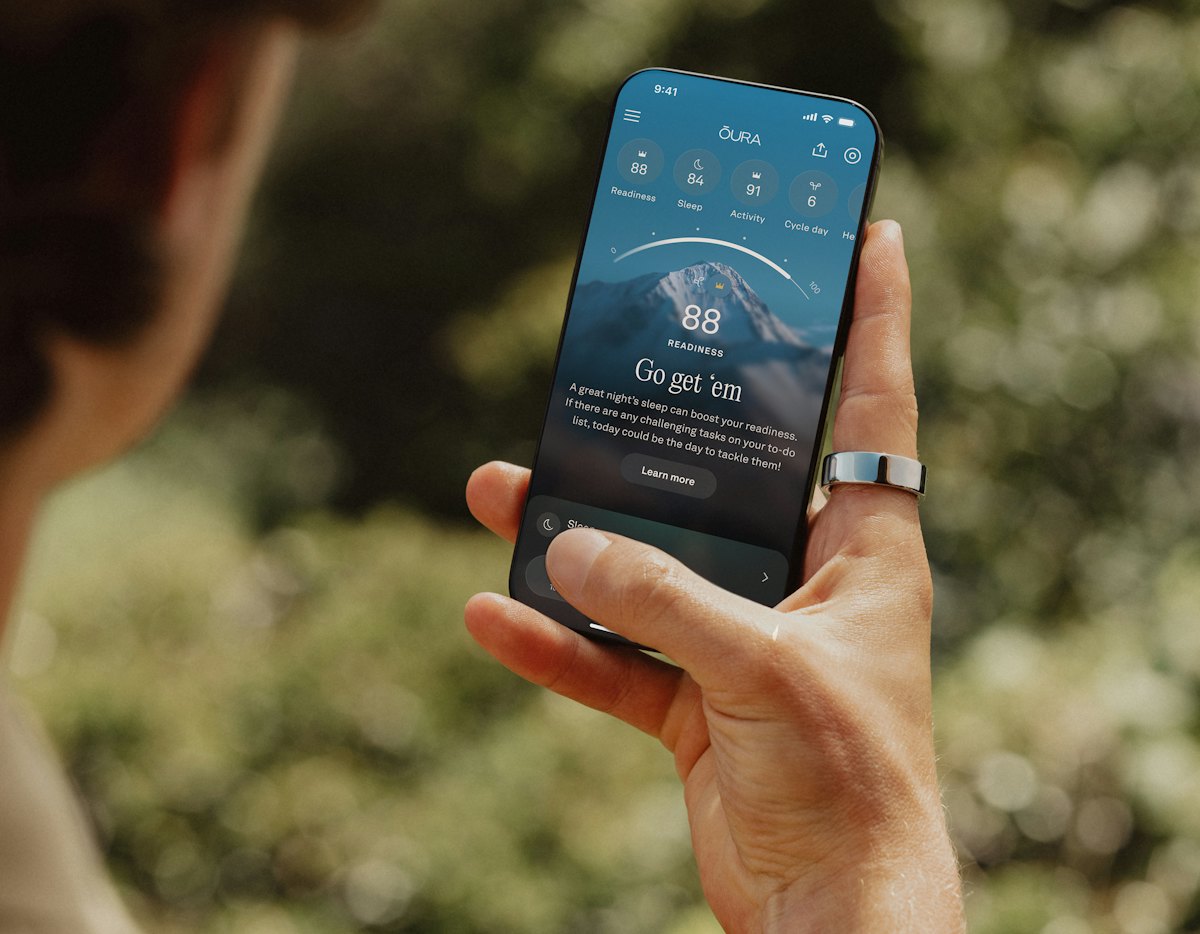
The current Automatic Activity Detection guide requires sessions of at least ten minutes and lets you confirm, edit or dismiss what it detects. Route and distance need location services and the phone with you. The ring still gathers other activity data when the phone stays home. That distinction heads off a common misunderstanding: a screen-free wearable does not make every outdoor record independent of the phone.
Lee found that automatic recognition sometimes needed an edit and that step totals differed from his smartwatches by hundreds. Those are his attributed observations, not a measurement of current firmware. Treat the feature as help with a daily log rather than proof that every movement gets named correctly. Oura documents a duplicate-handling priority for manually entered, imported and automatically detected activities, which is useful if you also wear a sports watch. Check a few ordinary sessions after enabling an integration. A runner who needs live pace and interval controls will still want the watch during the session, even if the ring wins overnight.
Five to eight days depends on what you switch on
Oura's battery explanation is unusually specific: its five-to-eight-day tests used new rings in sizes 8 to 10, eight hours of sleep a night, one hour of activity heart-rate capture daily and blood-oxygen sensing off. Larger rings carry slightly larger batteries. Oura says overnight oxygen sensing or longer activity heart-rate use shortens the interval. The top of the range is a conditional figure, not a weekly charging promise for every size and setup.
Lee's seven-day result included manually recording one or two workouts a day. It is a useful example of multi-day use, but your size, enabled features and battery age all matter. Find an ordinary charging opportunity and note the interval you actually get before travelling with it. A quick top-up only works if you remember to put the ring back on. The sealed, non-replaceable battery also changes the used-buying maths: a clean exterior proves nothing about remaining endurance. Judge a second-hand ring by its observed battery behaviour, not an old headline multiplied by your travel days.
The charger is size-specific, and a travel case now exists
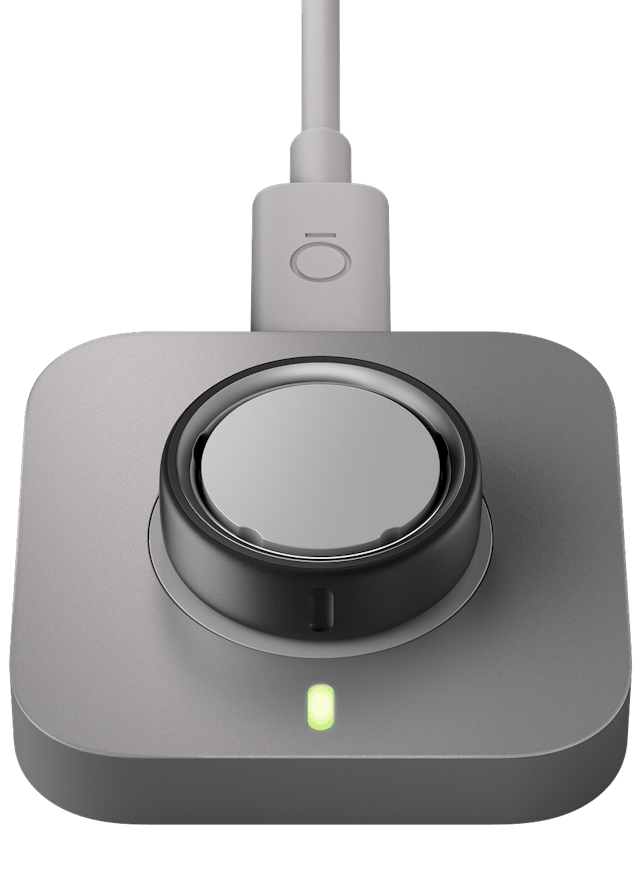
The standard Ring 4 package includes a size-specific charging dock and a USB-C cable. Oura's current charger guide also lists a separately purchased Ring 4 charging case for titanium and Ceramic, matched to ring size, rated for up to five ring charges and recharged over USB-C. Do not apply Ring 5 case wireless-charging specifications to it. The photo below shows the corded Ring 4 dock, not the travel case.
That answers the launch-era complaint about the absence of an official portable case, but it does not make the accessory essential. A dock at home covers an ordinary week; the case earns its place if you often remove the ring away from home or travel for longer stretches. Oura recommends at least 30% charge before bed, because a low battery can leave the night without detailed insights. Keep the charger somewhere you will notice it and away from a humid bathroom. Packing a phone cable alone is not enough; the ring's own charging hardware has to come too.
Price the membership, not just the ring
The official Ring 4 page lists US membership at $5.99 a month or $69.99 a year before tax, and Canadian membership at CA$7.99 a month or CA$89.99 a year before tax. Check the figure shown for your own account at purchase. New members get one included month, after which the chosen plan renews, and the membership belongs to the account rather than the physical ring. A replacement or second ring on an existing account does not automatically earn another free month.
Without an active membership, access shrinks to the three daily scores plus basic device, profile, settings and Explore information. Detailed trends are central enough to the recommendation that you should budget for membership from the start. Compare hardware plus service over the period you realistically expect to use it; a discount on the ring matters less than several years of a plan you rarely open. For a gift, explain the ongoing cost before buying. If you dislike recurring payments on principle, that is a legitimate reason to compare alternatives, however appealing the app.
Some feature badges describe another product's work
The glucose feature shows why the app's growing feature list needs careful reading. Oura's guide says it imports measurements from a separate Dexcom Stelo biosensor and account; the ring itself does not measure glucose. The integration is currently US-only and English-only, with its own phone and eligibility requirements. A Canadian buyer should not count it as an included local capability. Extra hardware and accounts belong in the cost and setup discussion rather than hiding behind an app badge.
Cycle Insights similarly combines temperature deviations with period logging and other information. Its current guide says the displayed experience changes with hormonal-contraception settings and that fertile-window estimates are not a form of birth control. Regional eligibility has to be checked for regulated features. Choose the ring for the functions you can use and will maintain, not on the assumption that every item on a global page appears identically for every account. Nothing here establishes clinical accuracy for cycle prediction, glucose integration or the newer health tools. The strongest case remains the ordinary daily and overnight record, with extra features judged one at a time.
Your history should be portable and shared on purpose
Oura on the Web was discontinued on October 5, 2026, according to the current membership documentation. Data stays in the app and can be requested through Membership Hub. The export guide says requests may take up to ten days and that downloaded durations are expressed in seconds, which is worth knowing before expecting an instant spreadsheet that mirrors the phone charts. Export access remains available without active membership; API access requires it.
Keep account access and connected services under review as the record gets more personal. An export option does not mean every integration receives only the one number you meant to share. Read the permissions on each connection you enable and keep unnecessary ones out. Cancelling membership and deleting the account are separate decisions: Oura says retained account data becomes accessible again on renewal. Someone leaving the service should decide separately whether to keep the history, request an export or delete it. This assessment credits the documented controls without claiming any audit of the security implementation.
Care and used condition decide the lasting value
Oura's care instructions call for mild soap and water followed by thorough drying, and warn against prolonged trapped moisture or friction during activities such as weightlifting. Everyday scratches are not covered as a warranty defect. The titanium Ring 4's water-resistance rating does not extend to its charging dock, which is not water resistant and should not live somewhere wet. For phone compatibility, the current general guide specifies iOS 16 or later, or Android 11 or later with Google Play services, plus Bluetooth 5.0. Check that before pairing an older spare phone.
The 7.8 Standpoint Score is an editorial research assessment that rewards a focused, unobtrusive design and useful documented controls, and docks points for subscription cost, fixed sizing and the non-replaceable battery. Ring 4 is a good fit when you want the trends enough to keep up both the wearing and the charging habit. It is a weaker fit when live workout interaction is the goal or when you want a device that stays fully useful without a service plan. For used hardware, insist on the right size and charger, assess remaining battery behaviour and check the seller's regional support terms. A ring that suits your hand and routine beats a cheaper one you cannot comfortably keep on.
The closest alternatives.
| Product | Standpoint Score | Best for | Price |
|---|---|---|---|
| Oura Ring 4This review | 7.8Research | People who want sleep and daily trends without a wrist screen, accept the ongoing membership cost and will take the time… | Amazon.ca ↗ |
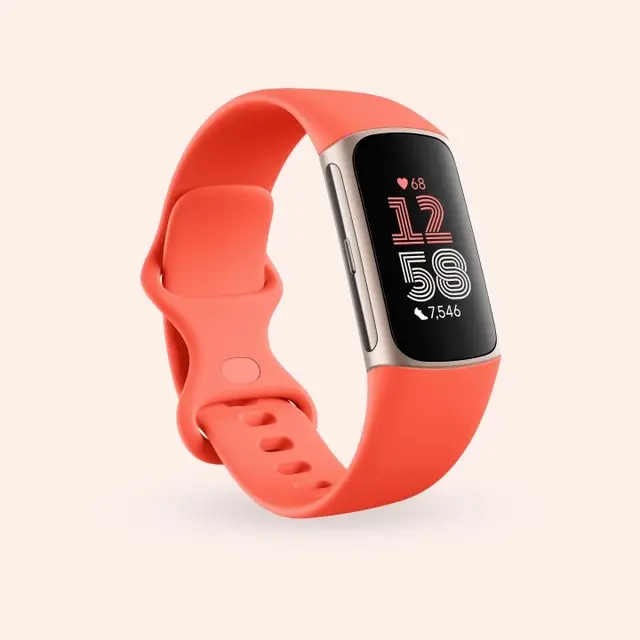
| Fitbit Charge 6 | 7.5Research | Someone who wants a compact band for daily activity and occasional workouts with a compatible phone nearby. | Amazon.ca ↗ |
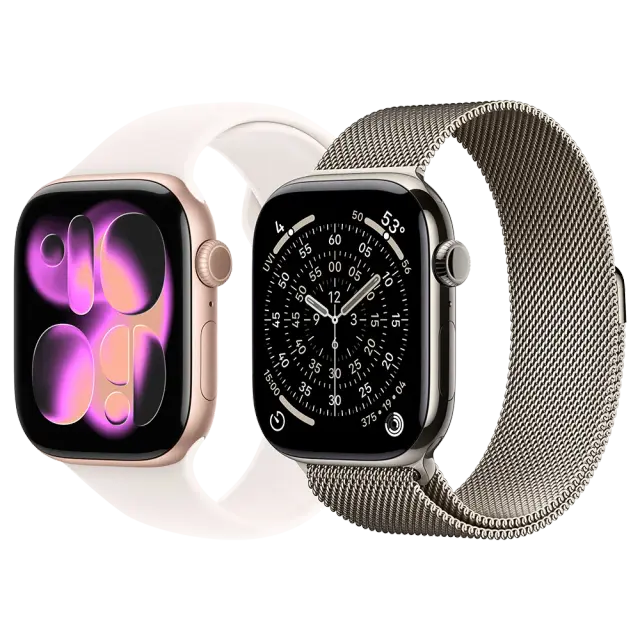
| Apple Watch Series 11 | 8.5Research | An iPhone household that wants a versatile everyday smartwatch rather than a dedicated endurance instrument. | Amazon.ca ↗ |
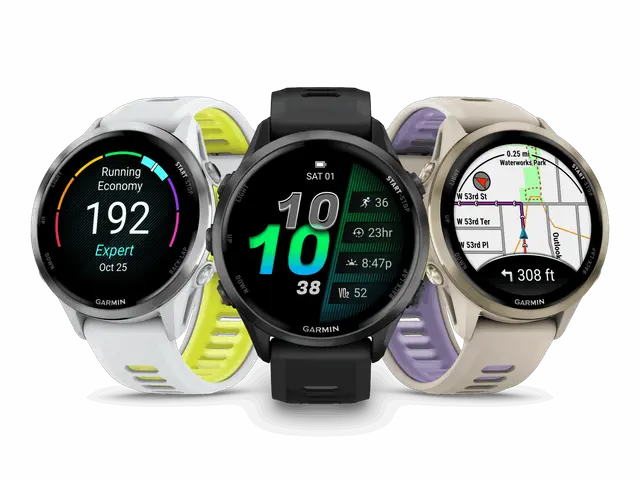
| Garmin Forerunner 970 | 8.6Research | Runners and multisport athletes who want route guidance, detailed training history and physical workout controls. | Amazon.ca ↗ |
Compare scores within a category: Tested means our own use, Research means documentation and attributed outside testing. Price links are affiliate links. As an Amazon Associate, Tech Standpoint earns from qualifying purchases. Disclosure
Sources & further reading.
These are the sources behind this research review. Manufacturer claims are not independent performance measurements. Community accounts, when cited, describe individual experiences.
- Oura Ring 4 product, local membership prices and supplied imagery ↗manufacturer
- Ring 4 titanium and Ceramic hardware ↗support
- Generation-specific sizing and 24-hour fit guidance ↗support
- Sleep contributors ↗support
- Daytime Stress and missing-data conditions ↗support
- Automatic Activity Detection and phone route requirements ↗support
- Ring 4 battery testing conditions ↗support
- Ring-specific charging docks and cases ↗support
- Membership, renewal and data-access limits ↗support
- Stelo glucose integration and US restrictions ↗support
- Cycle Insights and prediction limits ↗support
- Export and sharing formats ↗support
- Care, compatibility and battery replacement limits ↗support
- Derrek Lee’s Android Central Ring 4 testing ↗independent
Product software and regional bundles can change. Corrections and editorial disclosures.
Affiliate link. As an Amazon Associate, Tech Standpoint earns from qualifying purchases. It never changes our verdict or score. Disclosure