Not tested. This is a research score for the documented features, compatibility and ownership trade-offs discussed in this review, not a performance measurement.
Task capability 30%6.8
Regional capacity is useful, but the low maximum cut limits some lawns.
Navigation & control 20%7.3
Beacon-based navigation offers a distinct installation alternative.
Ownership & upkeep 20%6.0
Beacon availability and North American service are unresolved.
Setup & usability 15%6.3
Physical beacon placement adds infrastructure despite wire-free boundaries.
Documentation & support clarity 15%6.7
Overseas product and manual sources are detailed; local availability is unverified.
Compare scores within the same product category. Small decimal differences should not override your needs or the evidence limits.
How the Standpoint Score works
We score five aspects of the documented product on a 0–10 scale, then calculate a weighted total:
- Task capability30% of the total
- Navigation & control20% of the total
- Ownership & upkeep20% of the total
- Setup & usability15% of the total
- Documentation & support clarity15% of the total
This product’s 6.7/10 is an editorial research assessment. It does not claim measured performance, tested reliability or a verified customer satisfaction rate. Compare it with products in the same category, and read each criterion’s reasoning above.
Read the full rubric and score bands ↗From a tech standpoint.
Consider the G1 only if you live in a market where it's properly supported, you specifically like the idea of beacons over wire or an RTK base, and a lawn kept at six centimetres or lower suits you. Skip it if you're in Canada or the US and would be importing from an Australian listing, if you prefer a taller cut, or if your gardening habits would have beacons knocked or moved every few weeks.
Reasons to consider it
- A beacon-based TrueMapping setup that avoids both buried wire and an RTK base
- Cameras advertised for obstacle handling and garden monitoring
- A documented generation with an official regional spec sheet to check against
Go in knowing
- North American availability and warranty aren't established
- Beacons are permanent infrastructure that need planning and replacing
- A six-centimetre maximum may be too short for many North American lawns
Affiliate link. As an Amazon Associate, Tech Standpoint earns from qualifying purchases. It never changes our verdict or score. Disclosure
The specification sheet.
Published specifications from the linked sources. Configurations and availability can differ by country.
- Regional source
- Official Australian GOAT G1 page
- Published area
- Up to 1,600 m²
- Published daily reference
- 600 m²/day
- Navigation
- TrueMapping with navigation beacons
- Cutting width
- 22 cm
- Cutting-height range
- 3–6 cm
No wire, but plenty of hardware
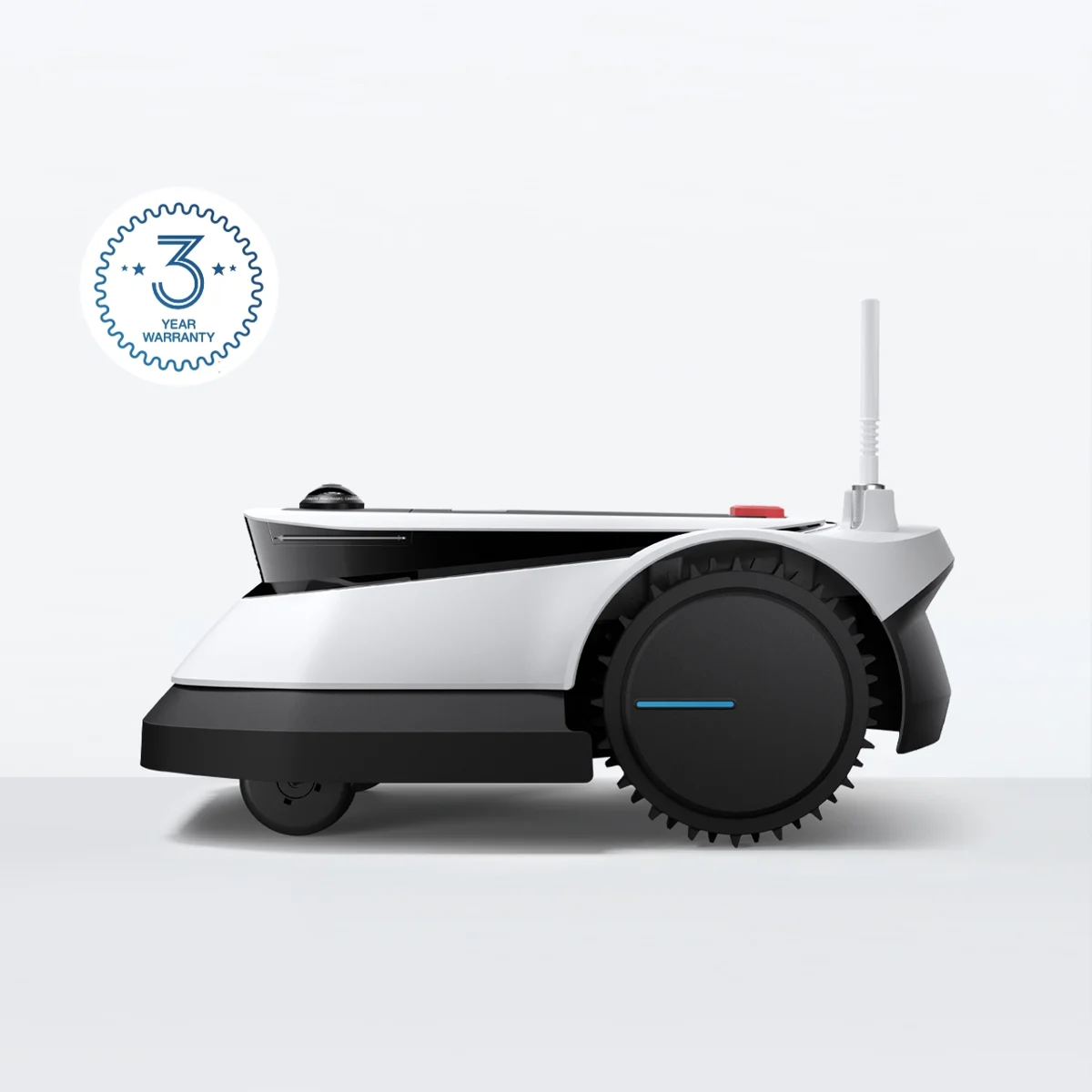
The GOAT G1 relies on navigation beacons as part of its TrueMapping system. That sets it apart from both perimeter-wire and conventional RTK mowers: you skip the buried boundary, but you still plant physical aids around the property. Calling it simply wireless misses half the installation story. It suits a garden where the beacons can stay put, in the same spots, with clear lines around them.
The official Australian page rates the G1 for up to 1,600 square metres, with a daily reference of 600 square metres. Those are regional manufacturer figures, not proof that a Canadian or US retailer supports the same setup. The page is useful for understanding the machine, but it doesn't make it import-friendly. Confirm local power, connectivity, parts and warranty before using it in another market.
Your yard becomes a beacon map
Plan beacon positions for the whole lawn, not just the easiest patch. Buildings, narrow connections and changes in level can make the installation more involved than the headline promise suggests. Before buying extra hardware, ask for a layout assessment and find out whether the supplied set is enough. A beacon that keeps getting shifted during gardening turns into a maintenance chore that never quite goes away.
The G1 also advertises cameras for both obstacle handling and garden monitoring, and those deserve separate judgments. A good camera view doesn't prove that every low object will be avoided, and an obstacle system isn't automatically a useful security camera. Check how it handles everyday lawn clutter, and treat account sharing and viewing permissions as their own part of ownership.
Six centimetres is the ceiling
The published three-to-six-centimetre cutting range should give North American owners who like taller grass real pause. Clever navigation doesn't help if the lawn height you want sits above the maximum. The 22cm cut points the same way: this is a machine for keeping a lawn in shape through steady scheduled work, not for racing across a big property in a short window.
Against the O1000 RTK, the choice is partly about which positioning infrastructure suits your garden better. Against the A3000 LiDAR, it's whether beacons still beat local sensing that needs no aids at all. The open questions are how stable the map stays after gardening changes, how the mower recovers around beacons and how consistent its edge clearance is. So is how easily you can get and pair a replacement beacon. Until those questions and regional support are answered, the G1 is a specific installation option, not a general recommendation.
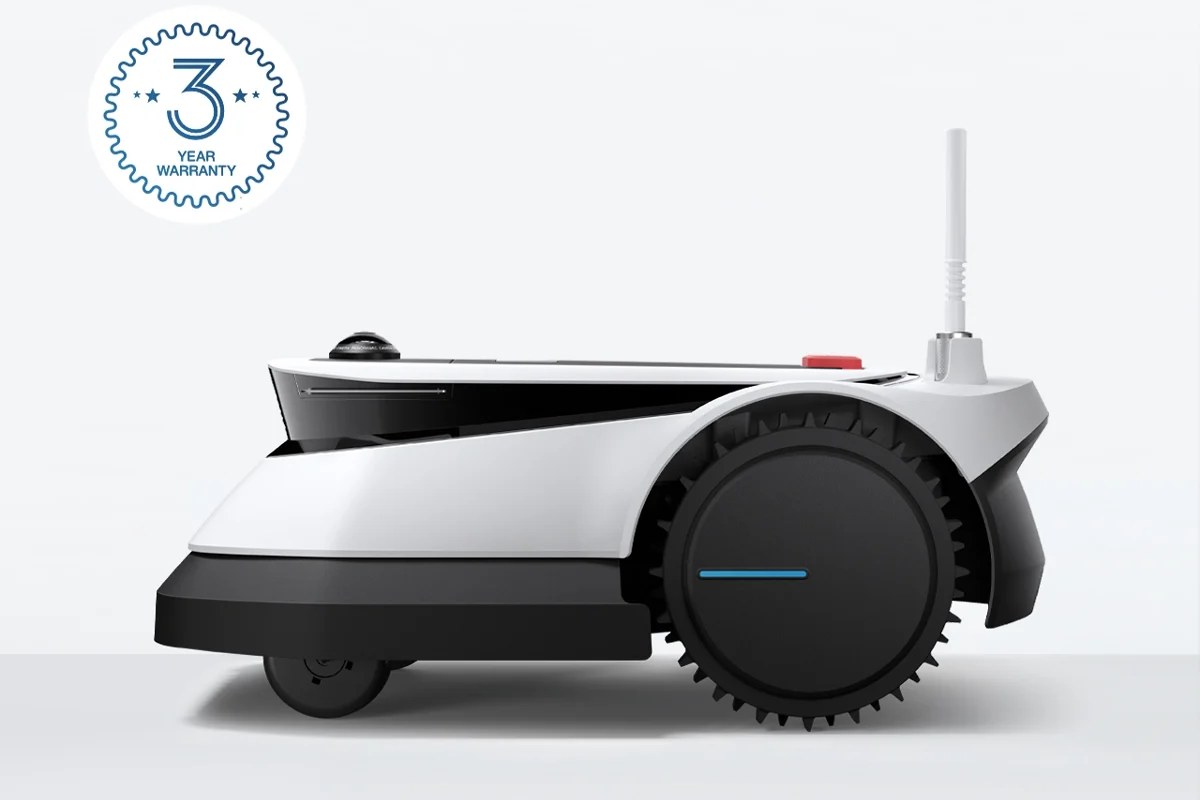
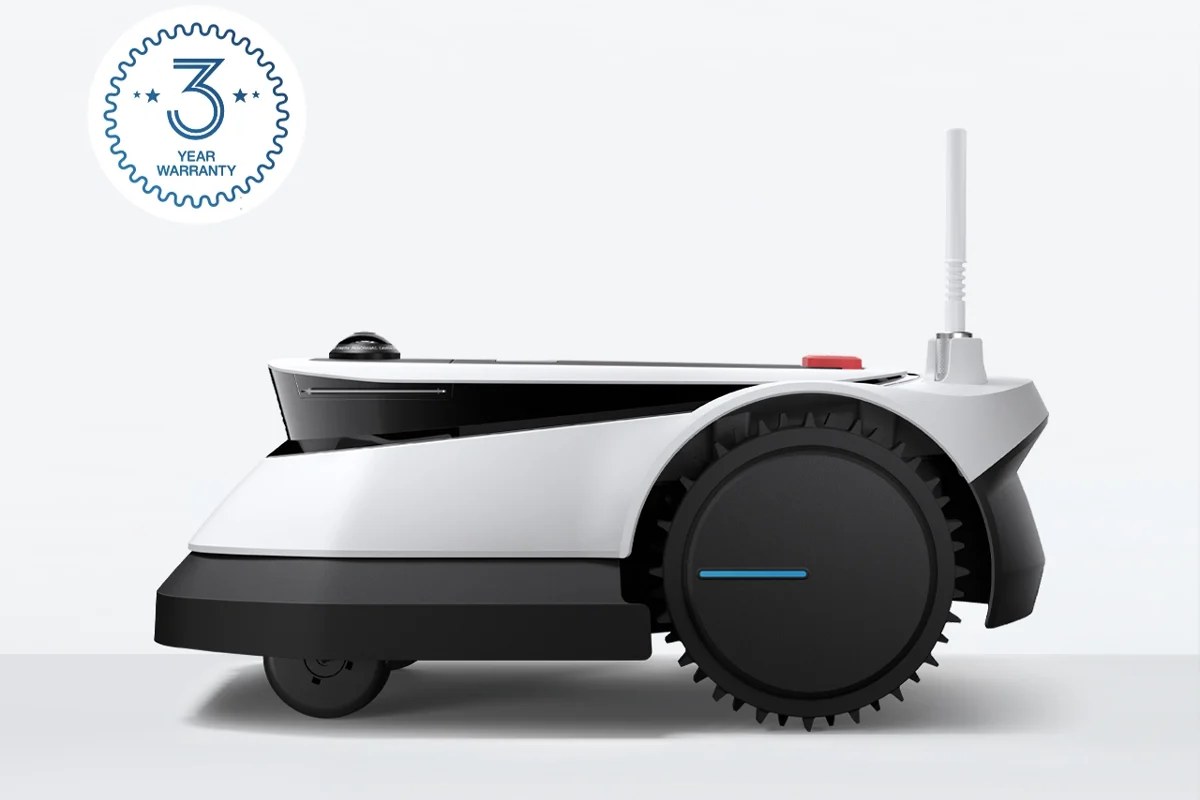
Sketch the beacons, then move a chair
Before buying a G1, draw the proposed beacon positions and ask the regional support provider to sign off on the layout. Include the cost of any extra beacons and a plan for replacing one. Then move an ordinary piece of garden furniture, leave the beacons alone and check that the map still works. The aim is to separate normal changes in the garden from changes that actually disturb the positioning setup. A North American buyer should finish the local service and compatibility check before importing anything. A good overseas review, or the existence of an Australian sales page, can't settle those regional ownership questions on its own.
Beacons, cameras and an import question
Treat the G1's beacons as permanent navigation equipment, not garden ornaments. Place them according to the model's layout guidance and think through how mowing, pruning and winter storage affect their positions. Label and document the installation so nobody moves a beacon while tidying up. If you need more beacons, put them in the purchase price from day one. Their availability matters even more for a generation that may no longer be prominent on local shelves. A robot that depends on a positioning part you can't buy becomes an expensive half-finished system.
The three-to-six-centimetre range puts a hard limit on the finish you can get. If you're used to a taller cut, sort out that mismatch before you even look at import logistics. The 22cm deck and the published daily reference both point toward frequent maintenance mowing rather than occasional short sessions. Build a schedule around real growth and access. Check the grass right around the beacons and near furniture to see whether the navigation hardware creates extra finishing work. A wire-free installation can be convenient without making every edge and obstacle vanish from your routine.
Look at the G1's cameras twice: once as navigation aids and once as a garden-monitoring feature. Decide whether you want monitoring at all, who can see the feed and what connectivity it needs. Review account permissions if a retailer or previous owner set the robot up first. Storage, encryption and cloud behaviour haven't been audited here, and a marketing statement isn't a security certification. Also learn how to stop the mower locally. A useful camera view is no substitute for keeping people and animals out of the cutting area.
Maintenance covers the robot and its outdoor navigation parts. Clean the sensor surfaces as instructed, inspect the blades and check the approach to the charging station. Use the exact G1 manual for what you may wash on the mower, station and beacons, since their ratings and construction differ. Don't assume an accessory fits just because it's sold for another GOAT. Note the correct blade, battery and beacon replacement references while they're easy to identify. That matters more on a regional or imported purchase, where a vague parts request can lead to long delays.
The official Australian source documents the design, but it isn't a complete Canadian or US buying route. Ask about local power requirements, the supported account region and written warranty handling before importing. Shipping a mower away for repair can wipe out an attractive overseas discount. Compare that total cost against a locally supported RTK or LiDAR model. The G1 is most convincing where its beacons solve a real installation problem and the support chain is clear. If either is in doubt, the sensible next step is a documented site and service assessment, not a bolder performance claim from a research article.
Record every beacon before you pull it
A G1 seasonal handover should list every navigation beacon and its approved position. If you remove parts for storage, keep a record of the layout and follow the recommissioning instructions rather than trusting memory. Check that replacement beacon power components and other specified consumables are available locally. At the spring restart, watch the mapped boundary and the full charging route before turning normal operation back on. That's especially important on an imported machine, where getting advice or a missing regional part can take far longer than it would with a locally supported purchase.
The closest alternatives.
| Product | Standpoint Score | Best for | Price |
|---|---|---|---|
| Ecovacs GOAT G1This review | 6.7Research | An owner in a supported market who specifically prefers the G1's beacon-based installation and has confirmed regional… | Amazon.ca ↗ |
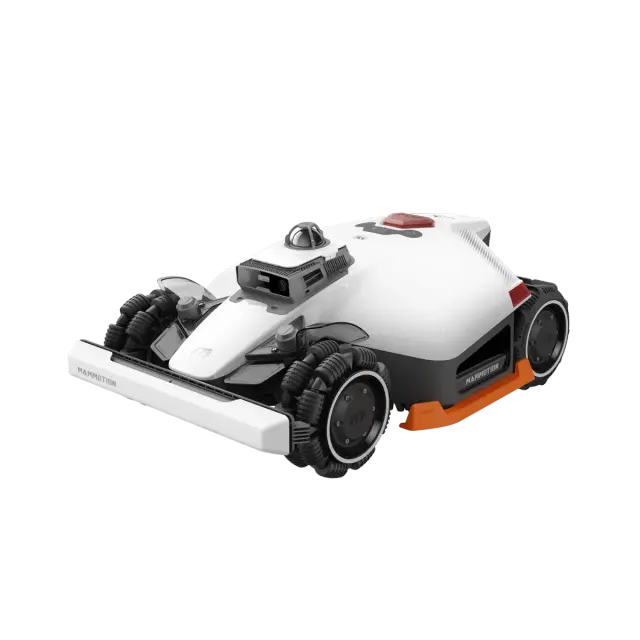
| Mammotion LUBA 3 AWD | 7.8Research | A complex lawn where AWD is useful and the buyer is prepared to verify the navigation and height specification of the… | Amazon.ca ↗ |
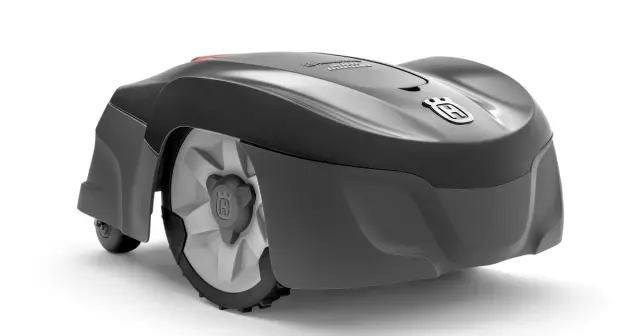
| Husqvarna Automower 115H Bluetooth | 6.1Research | A modest, settled lawn where a supported used mower costs substantially less than a new installation. | Amazon.ca ↗ |
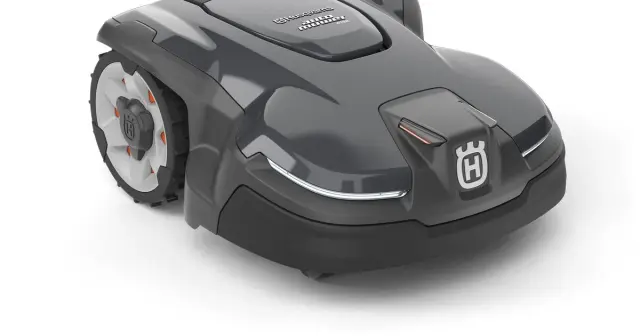
| Husqvarna Automower 415X | 6.6Research | Owners of a small or medium established wired lawn who want connected control and a documented support path. | Amazon.ca ↗ |
Compare scores within a category: Tested means our own use, Research means documentation and attributed outside testing. Price links are affiliate links. As an Amazon Associate, Tech Standpoint earns from qualifying purchases. Disclosure
Sources & further reading.
These are the sources behind this research review. Manufacturer claims are not independent performance measurements. Community accounts, when cited, describe individual experiences.
- Ecovacs GOAT G1 — official manufacturer product information ↗manufacturer
- GOAT G1 French technical specifications ↗manufacturer
- GOAT G1 English instruction manual ↗manual
Product software and regional bundles can change. Corrections and editorial disclosures.
Affiliate link. As an Amazon Associate, Tech Standpoint earns from qualifying purchases. It never changes our verdict or score. Disclosure