 01Standpoint Score7.8/10Not tested
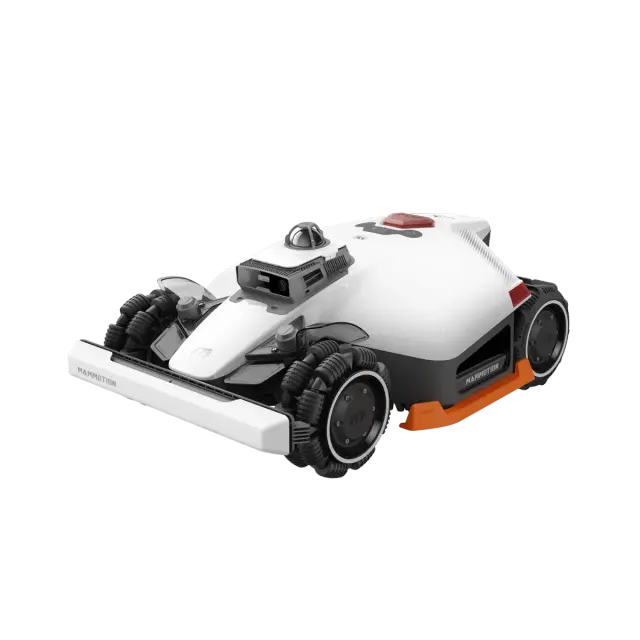
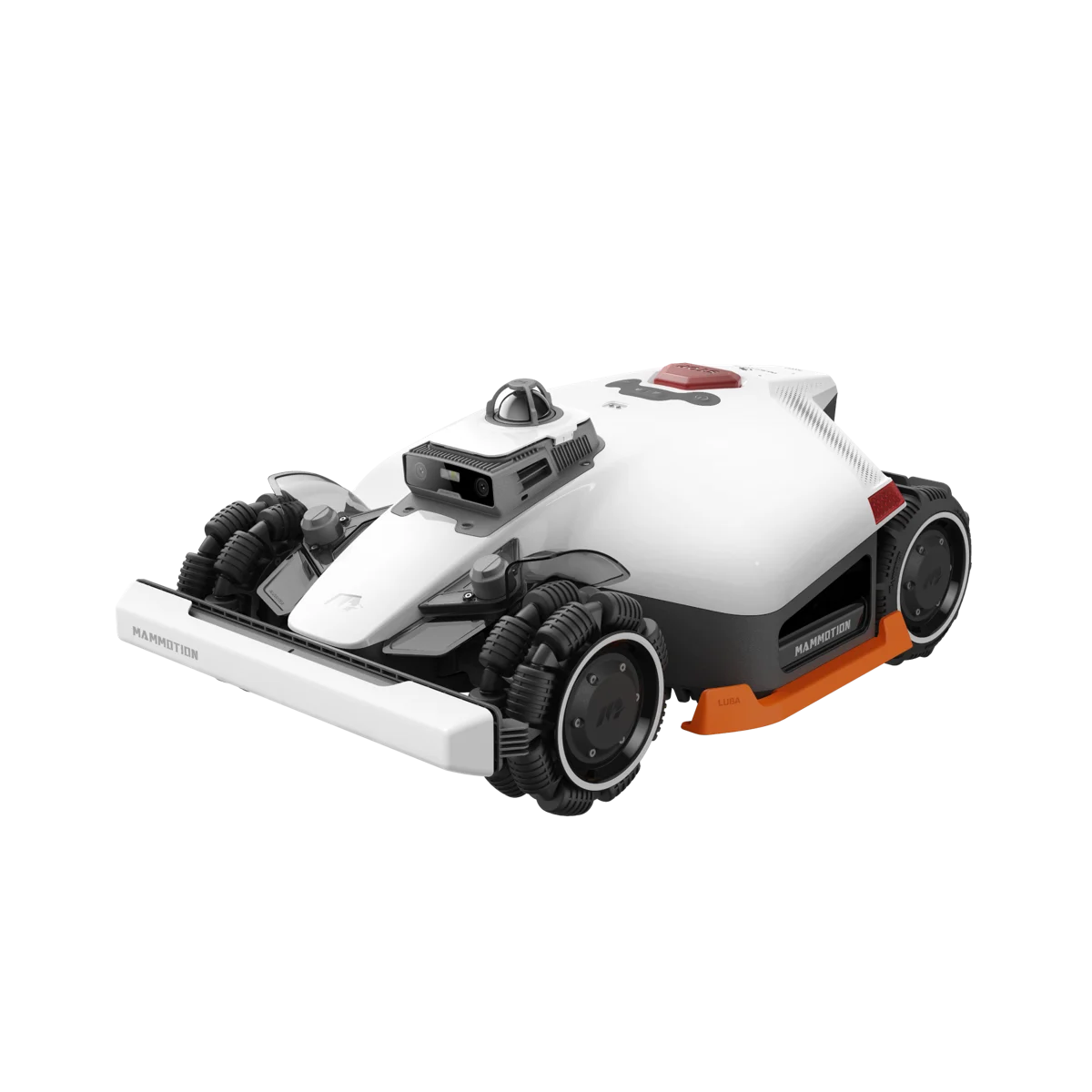
Mammotion LUBA 3 AWD
Three LUBA 3 AWD models share a name and not a spec sheet: the entry 1500 drops NetRTK, the H versions cut taller, and the boundary-editing tool Mammotion advertises is a late-2026 promise.
The outside job, reconsidered. 32 reviews, every one scored and sourced.
 Standpoint Score7.8/10Not tested
Three LUBA 3 AWD models share a name and not a spec sheet: the entry 1500 drops NetRTK, the H versions cut taller, and the boundary-editing tool Mammotion advertises is a late-2026 promise.
Read the reviewShowing 1–24
32 research reviews (not tested)01Standpoint Score7.8/10Not testedThree LUBA 3 AWD models share a name and not a spec sheet: the entry 1500 drops NetRTK, the H versions cut taller, and the boundary-editing tool Mammotion advertises is a late-2026 promise.
 02Standpoint Score6.1/10Not tested
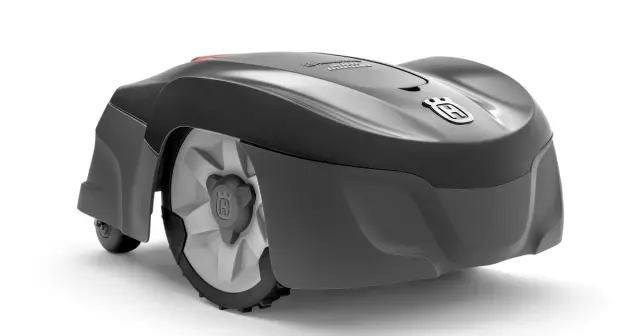
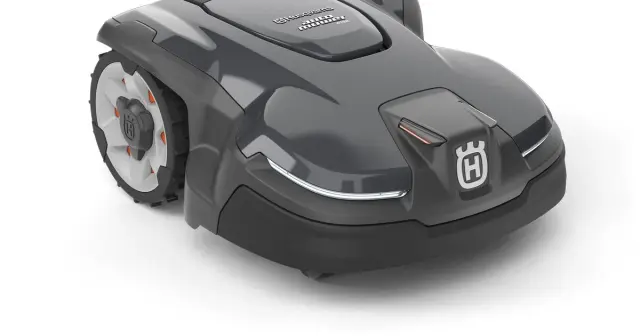
The 115H is the Automower for people who suspect their small, flat lawn never needed RTK or cameras in the first place, provided they buy a working used one rather than a project.
 03Standpoint Score6.6/10Not tested
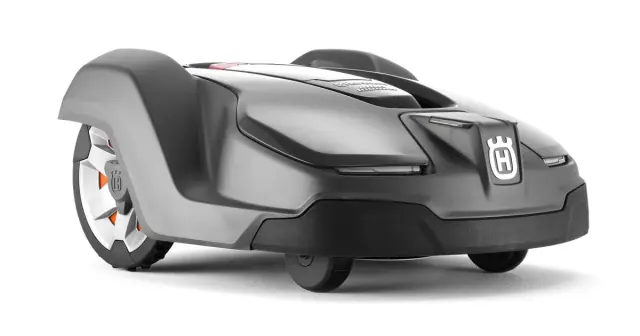
The 415X is a wired Automower for people who like a short, tidy lawn and want their phone in the loop, but its two-inch ceiling rules out more buyers than its discontinued status does.
 04Standpoint Score6.7/10Not tested
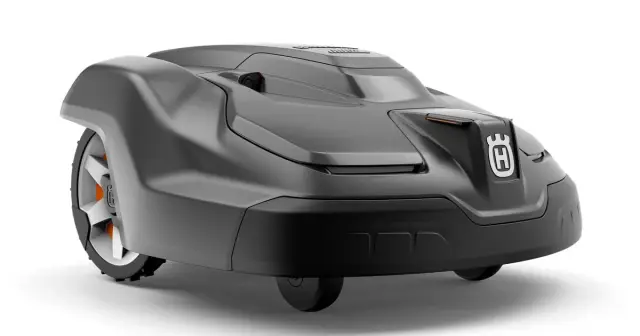
The 430X is the Automower worth keeping when you already own the wire, not the one to build a new lawn around, and its long 145-minute outings are the reason.
 05Standpoint Score7.0/10Not tested
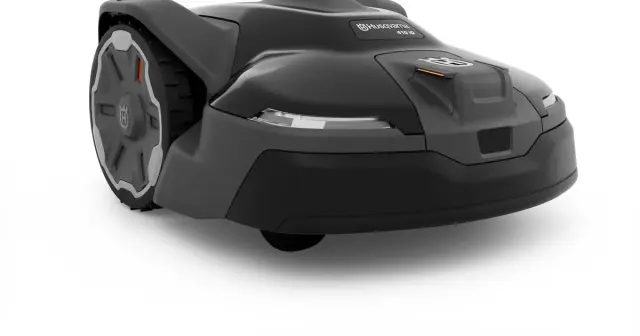
The 450XH EPOS is a high-cut, wire-free estate mower with a paperwork problem: Husqvarna's own documents disagree on whether it covers 2.5 acres or half that.
 06Standpoint Score7.7/10Not tested
The 410 iQ is a properly capable wire-free Automower hobbled by one number, a 108-minute recharge, which makes it a fine buy for a small, quiet lawn and a false economy for a busy one.
 07Standpoint Score7.8/10Not tested
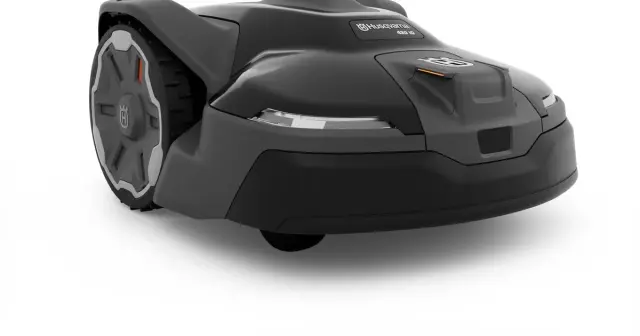
You buy the 420 iQ for its 54-minute charger, not its one-acre headline, and Gear Diary's run-in with roots, a wheel motor and a small hill is a useful reminder of what the spec sheet leaves out.
 08Standpoint Score7.8/10Not tested
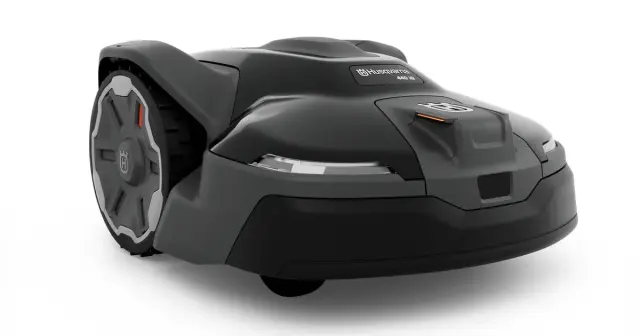
The 440 iQ is the iQ to buy for a big, fairly level lawn kept tall, as long as you remember its two acres shrink to one the moment you switch to random mowing.
 09Standpoint Score7.4/10Not tested
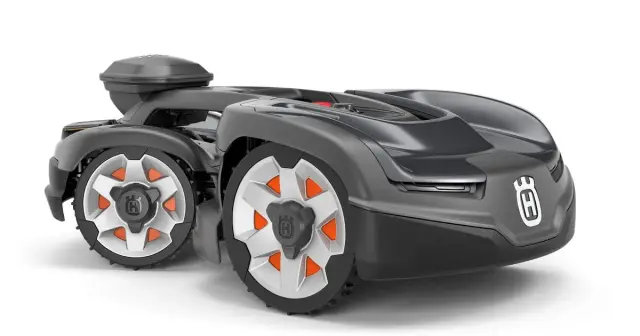
The articulated 435 iQ AWD is the Automower you buy because a bank is beating every other robot, and the wrong one if your real need is acreage or tall grass.
 10Standpoint Score7.7/10Not tested
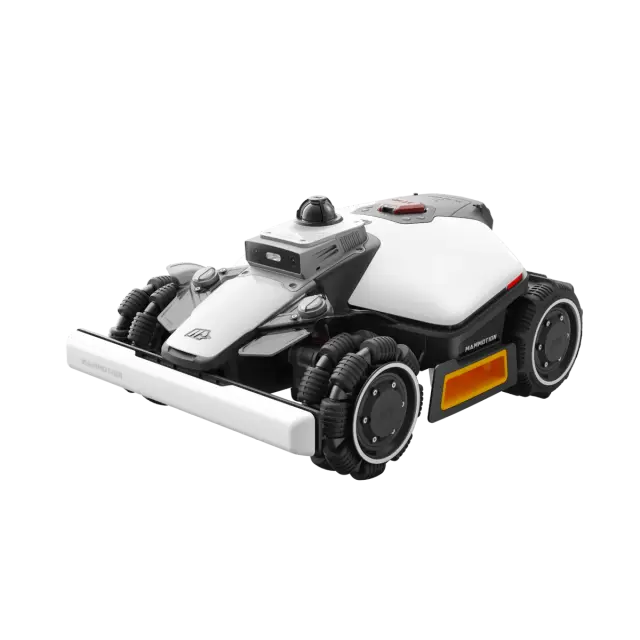
The LUBA mini 2 AWD 1500 is a small mower with big-mower ambitions, combining LiDAR, all-wheel drive and a second disc just for edges, and it only pays off if your little lawn is genuinely difficult.
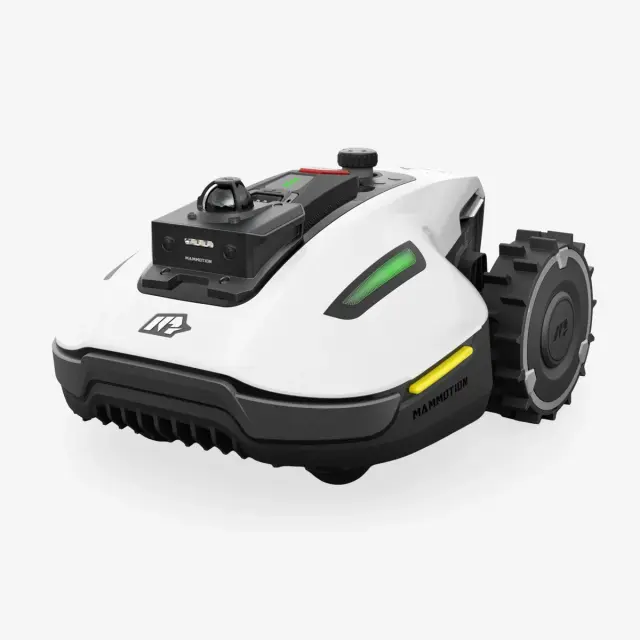 11Standpoint Score7.6/10Not tested
The YUKA mini 2 1000H is Mammotion admitting that most small lawns don't need all-wheel drive, and for an ordinary yard kept a little tall, that honesty is the selling point.
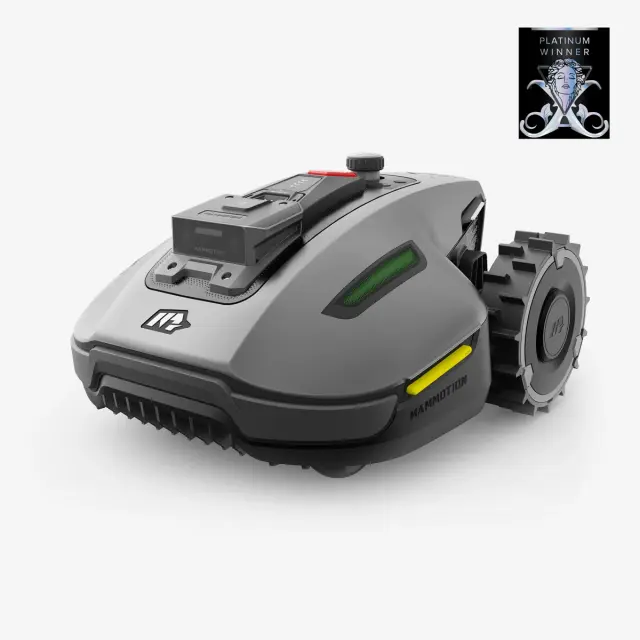 12Standpoint Score7.2/10Not tested
The original YUKA mini is now a price play: a compact RTK mower that makes sense if your yard has open sky and a spot for the antenna, and makes none if that antenna is the problem.
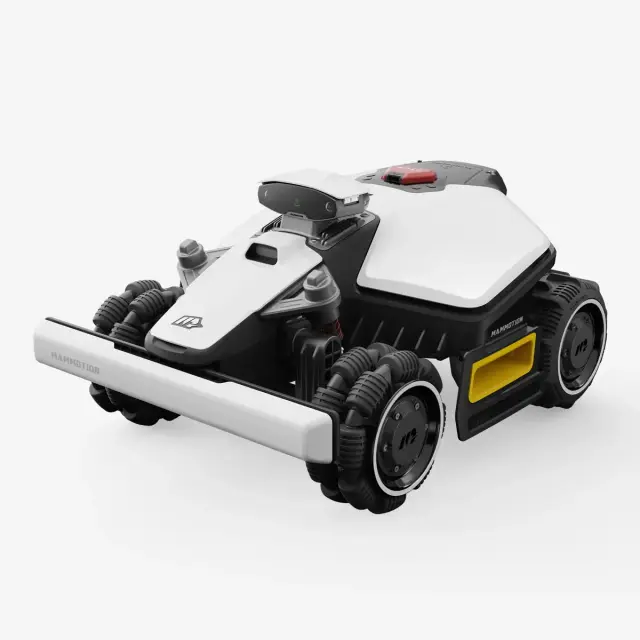 13Standpoint Score7.4/10Not tested
The original LUBA mini AWD is a hill-climbing small-lawn mower that still leans on an RTK antenna, so it's a smart buy only where you need the traction and the sky is open enough to place the station.
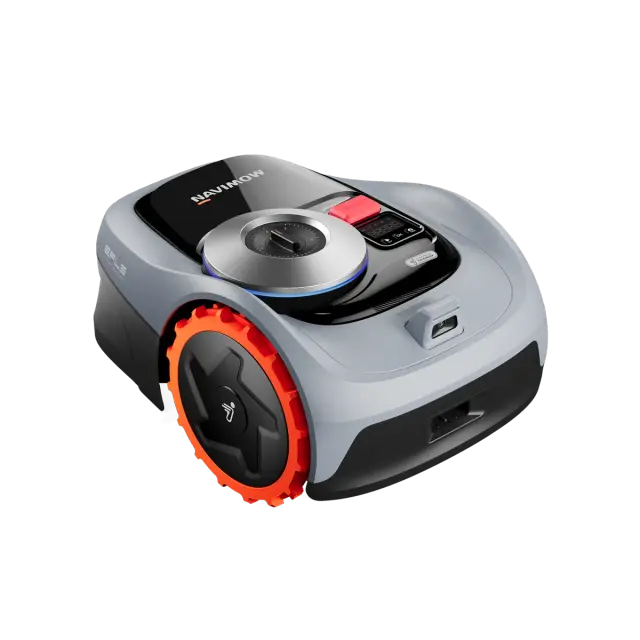 14Standpoint Score7.4/10Not tested
The i105N is a wire-free mower sized honestly for a postage-stamp lawn, and it's worth buying only if your grass really is that small once you subtract the house, drive and patio.
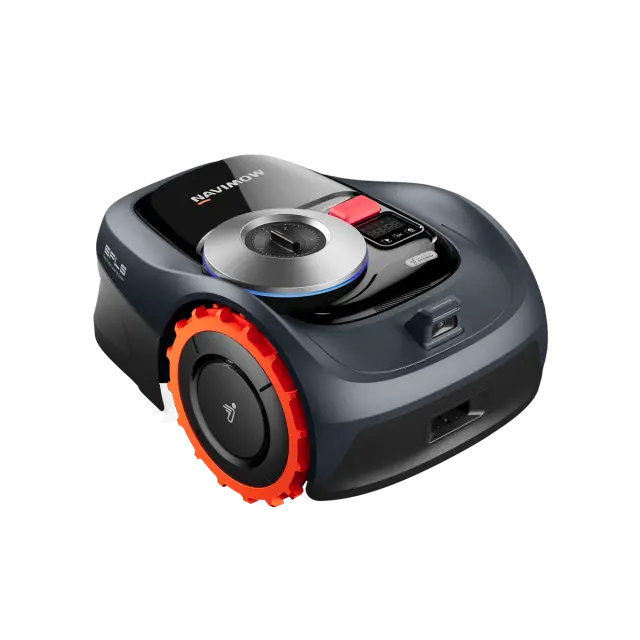 15Standpoint Score7.5/10Not tested
The i110N's real selling point isn't its quarter-acre rating but the slack it leaves in your week, and that slack is worthless if a locked gate keeps it out of the back yard.
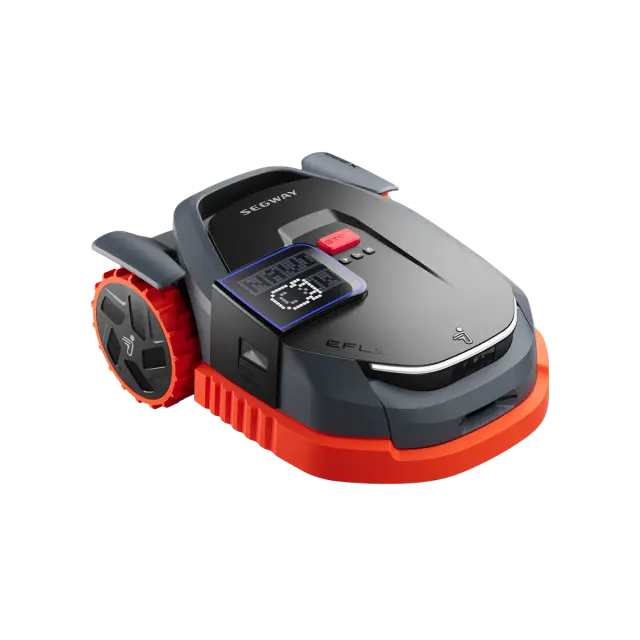 16Standpoint Score7.8/10Not tested
The X390 wins on stamina, with a 240-minute published run and a four-inch top cut, but its narrow 9.3-inch deck means acreage claims live or die on how efficiently your property lets it travel.
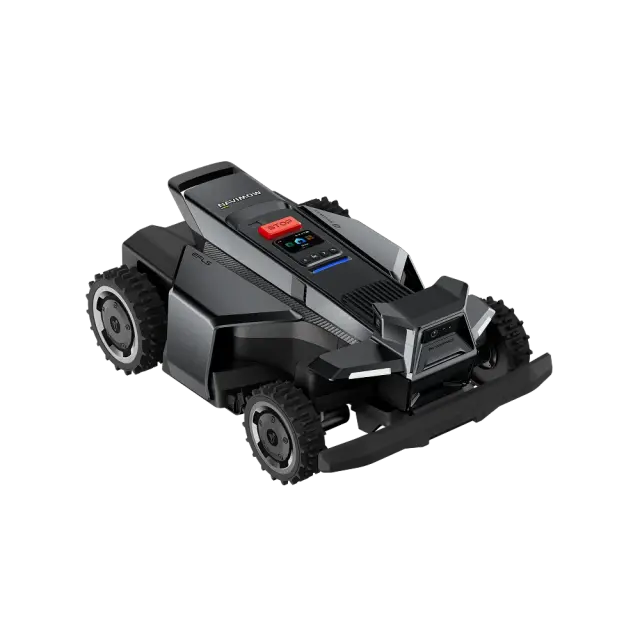 17Standpoint Score7.8/10Not tested
The Navimow X4 is the most interesting robot in Segway's lineup, pairing a 17-inch deck with steered all-wheel drive, but its boldest numbers come with footnotes worth reading before you pay for them.
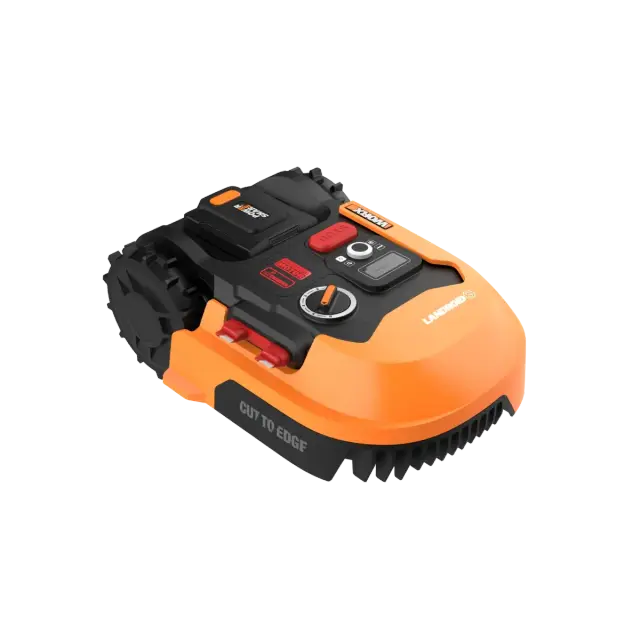 18Standpoint Score6.3/10Not tested
The WR165 is the smallest wired Landroid S, an eighth-acre specialist that's a sensible cheap buy for a tiny, settled lawn as long as you buy it by the model table and not by a retail page that borrows copy from its bigger siblings.
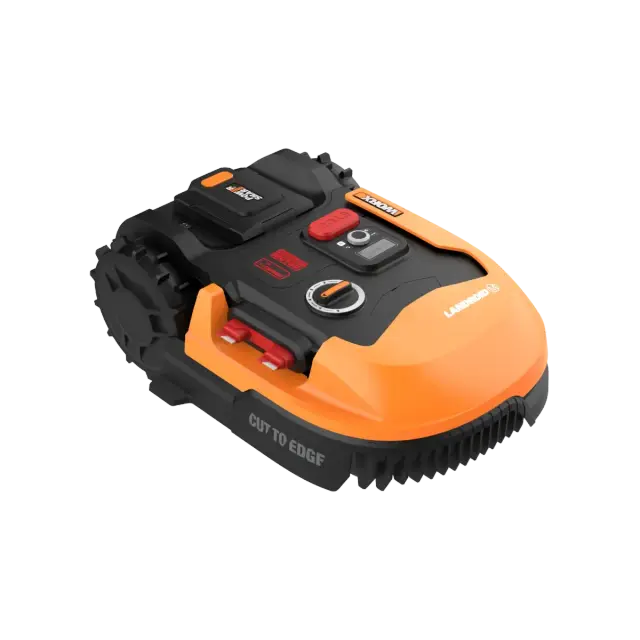 19Standpoint Score6.5/10Not tested
The WR147 is the Goldilocks Landroid, a quarter-acre wired mower with a 4.0 Ah battery that makes the most sense when your garden's passages and gates are as tidy as its area figure.
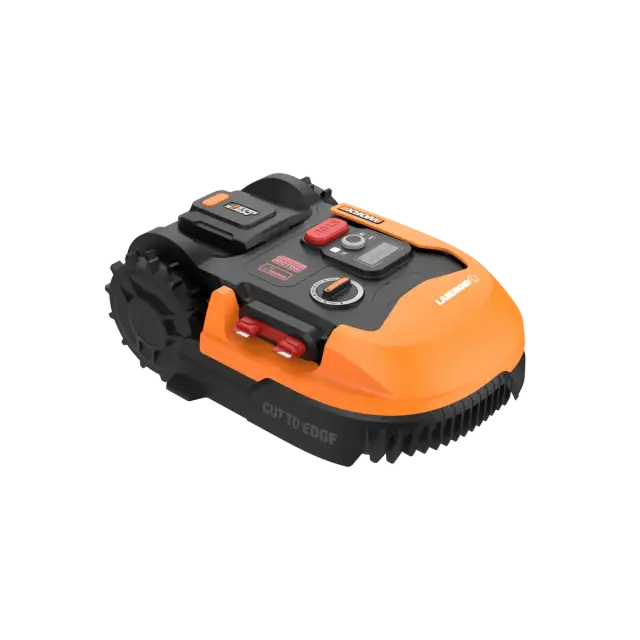 20Standpoint Score6.8/10Not tested
The WR155 buys stamina, not speed: it's the half-acre Landroid L with a bigger 6.0 Ah battery but the same eight-inch cut as the WR147, so it only pays off on a large, settled lawn with a clear route home.
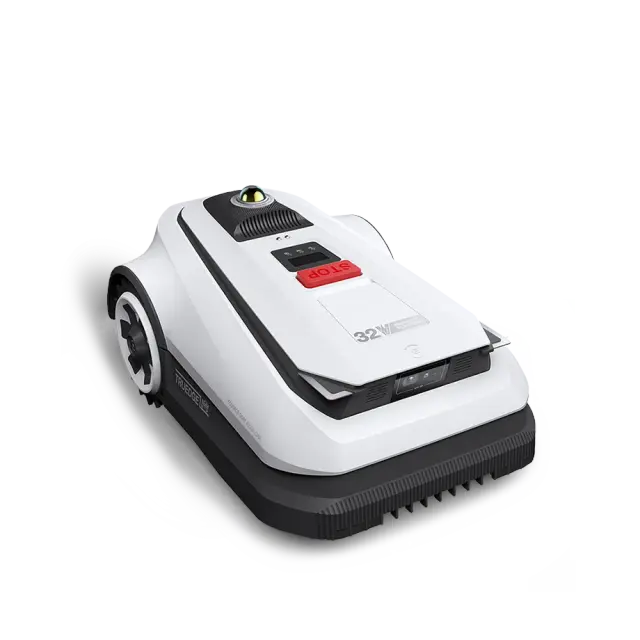 21Standpoint Score7.8/10Not tested
The original GOAT A3000 LiDAR pairs antenna-free navigation with a wide 33cm dual-disc cut and electronic height control, which makes it a strong pick for open lawns under tree cover, provided you don't pay for features that belong to the later PRO.
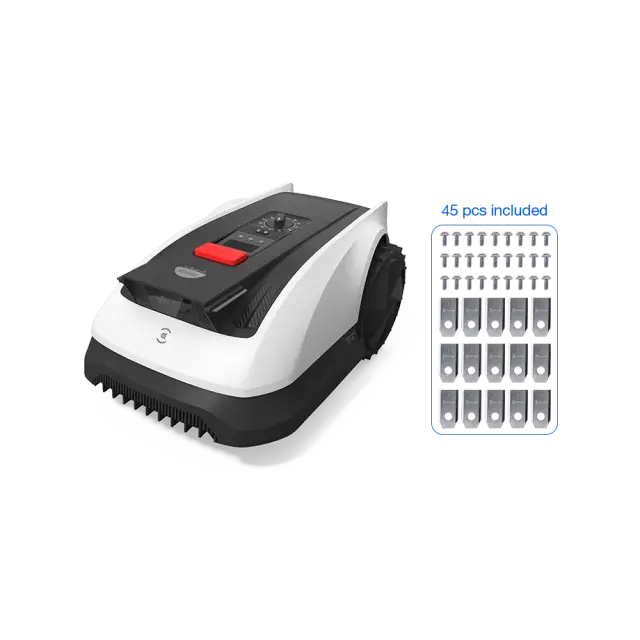 22Standpoint Score7.1/10Not tested
The GOAT O1000 RTK is a compact quarter-acre mower built to squeeze through narrow side passages, and it's a smart buy for a divided garden only if you're fine adjusting the height by hand and can find a good spot for its reference station.
 23Standpoint Score6.7/10Not tested
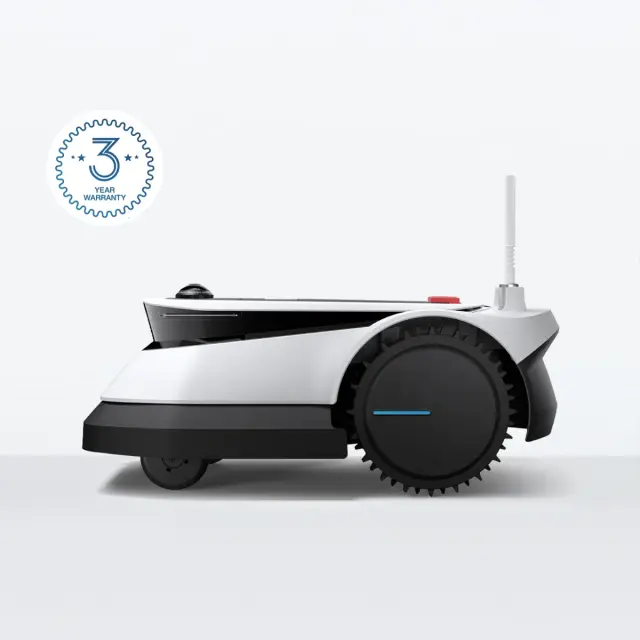
The GOAT G1 swaps buried wire for navigation beacons you plant around the yard, an interesting middle path that most North American buyers should admire from a distance until local support and a taller cutting height are on the table.
 24Standpoint Score7.3/10Not tested
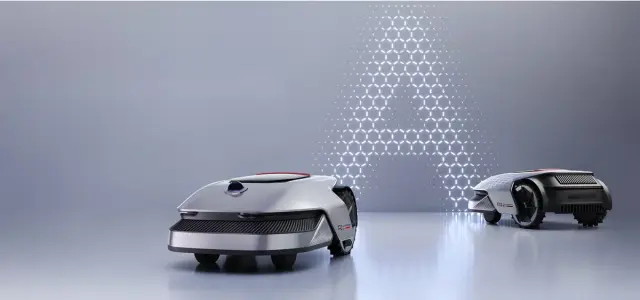
The Dreame A1 nails the dream installation of no wire and no RTK pole, just a 3D LiDAR head, and it's enough mower for a simple lawn as long as you're happy below seven centimetres and can get it serviced where you live.
Try another model, brand or department.
A practical survey of boundaries, slopes, narrow passages and the work that robot mowing still leaves behind.
A checklist for regional model numbers, support, bundles and documentation when shopping in Canada and the US.
A robot mower can sit idle for months in a Canadian winter, and the brands agree on more than you might think: charge it the way your manual says, keep it dry and above freezing, and think hard before you leave anything electrical out in the snow.
Every robot mower navigation system has a weak spot, so the right choice depends on the sky, walls and trees around your particular lawn rather than on which technology is newest.
On a compact lot, the hard part for a robot mower is rarely the area. It's the bank, the side yard and the gate, so measure those before you compare acreage ratings.
A robot mower spends its life outdoors in plain view, so layer a PIN and alarm, a tracker that can actually report its location, sensible placement and a call to your insurer before you need one.