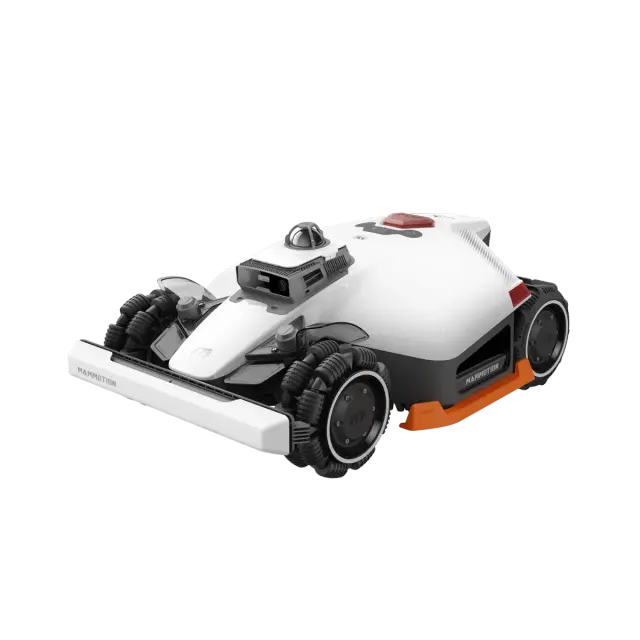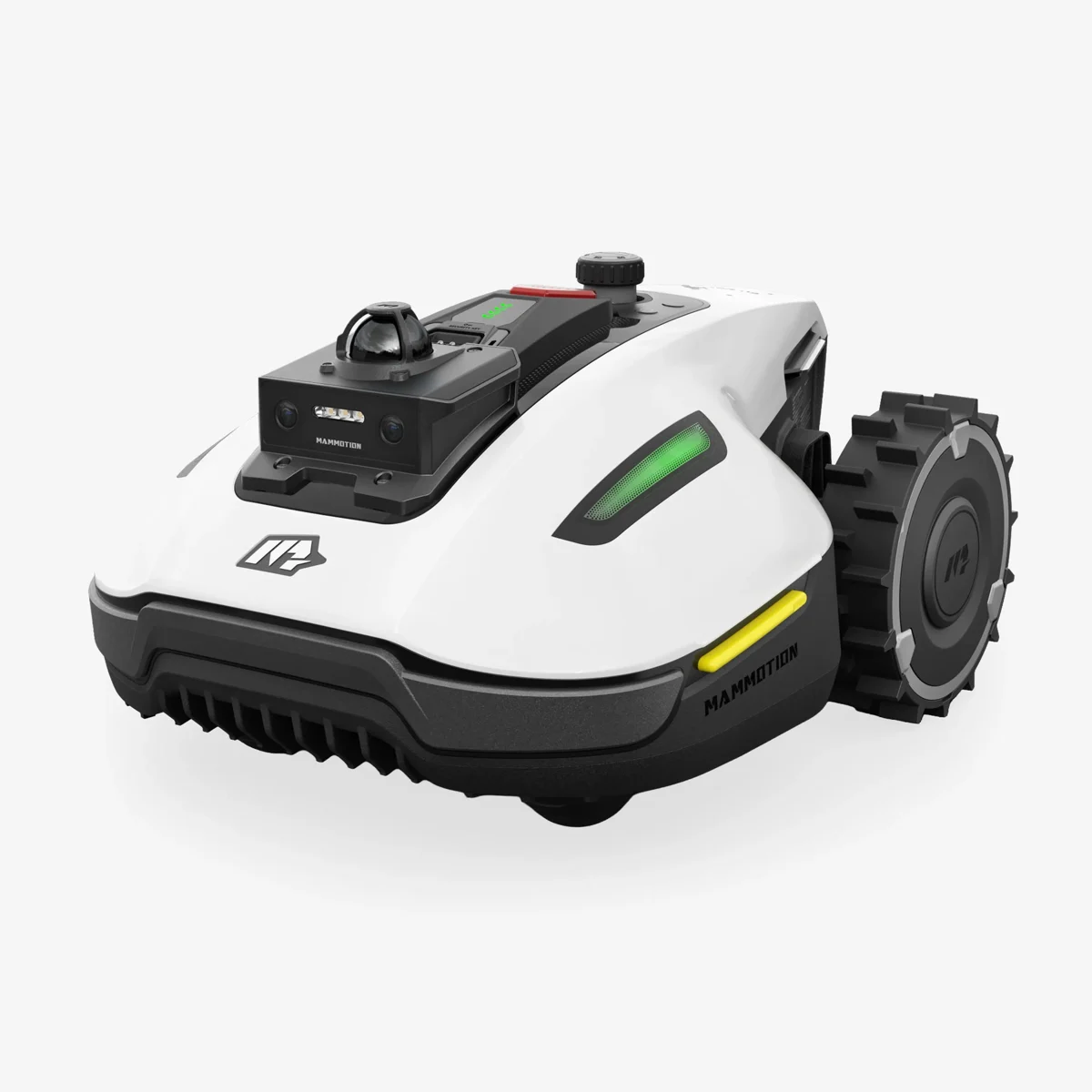
Not tested. This is a research score for the documented features, compatibility and ownership trade-offs discussed in this review, not a performance measurement.
Task capability 30%7.6
Useful high-cut range and rear drive form a focused small-lawn package.
Navigation & control 20%8.0
Local LiDAR and vision avoid conventional reference-station installation.
Ownership & upkeep 20%7.3
Simpler drive than LUBA, though exact battery and parts support matter.
Setup & usability 15%8.0
Antenna-free local sensing suits straightforward residential setup.
Documentation & support clarity 15%6.9
1000H identity is clear, but some software claims retain future timing.
Compare scores within the same product category. Small decimal differences should not override your needs or the evidence limits.
How the Standpoint Score works
We score five aspects of the documented product on a 0–10 scale, then calculate a weighted total:
- Task capability30% of the total
- Navigation & control20% of the total
- Ownership & upkeep20% of the total
- Setup & usability15% of the total
- Documentation & support clarity15% of the total
This product’s 7.6/10 is an editorial research assessment. It does not claim measured performance, tested reliability or a verified customer satisfaction rate. Compare it with products in the same category, and read each criterion’s reasoning above.
Read the full rubric and score bands ↗From a tech standpoint.
Buy the YUKA mini 2 1000H if you have a smallish, fairly ordinary lawn, like to keep grass between 2 and 3.5 inches, and would rather not install an RTK base. Its LiDAR-and-vision setup and focused rear-drive design keep things simple. Skip it if your yard has real banks, soft ground or roots that a rear-drive robot will struggle with, where a LUBA mini 2 makes more sense, or if your lawn is only free for short windows, because the 7.5-inch deck needs time.
Reasons to consider it
- A useful 2.0–3.5-inch height range for owners who don't want a close shave
- 360-degree LiDAR and vision avoid the hunt for an RTK base location
- A focused rear-drive design that skips paying for climbing ability you may not need
Go in knowing
- It's not an AWD machine
- The narrow 7.5-inch deck needs plenty of schedule time
- Claims for different mini generations must be kept separate
Affiliate link. As an Amazon Associate, Tech Standpoint earns from qualifying purchases. It never changes our verdict or score. Disclosure
The specification sheet.
Published specifications from the linked sources. Configurations and availability can differ by country.
- Navigation
- 360-degree LiDAR and vision
- Drive
- Rear-wheel drive
- Slope claim
- 45%
- Cutting width
- 7.5 in
- Cutting-height range
- 2.0–3.5 in
- Battery capacity
- 6.1 Ah published
The case against buying AWD by default
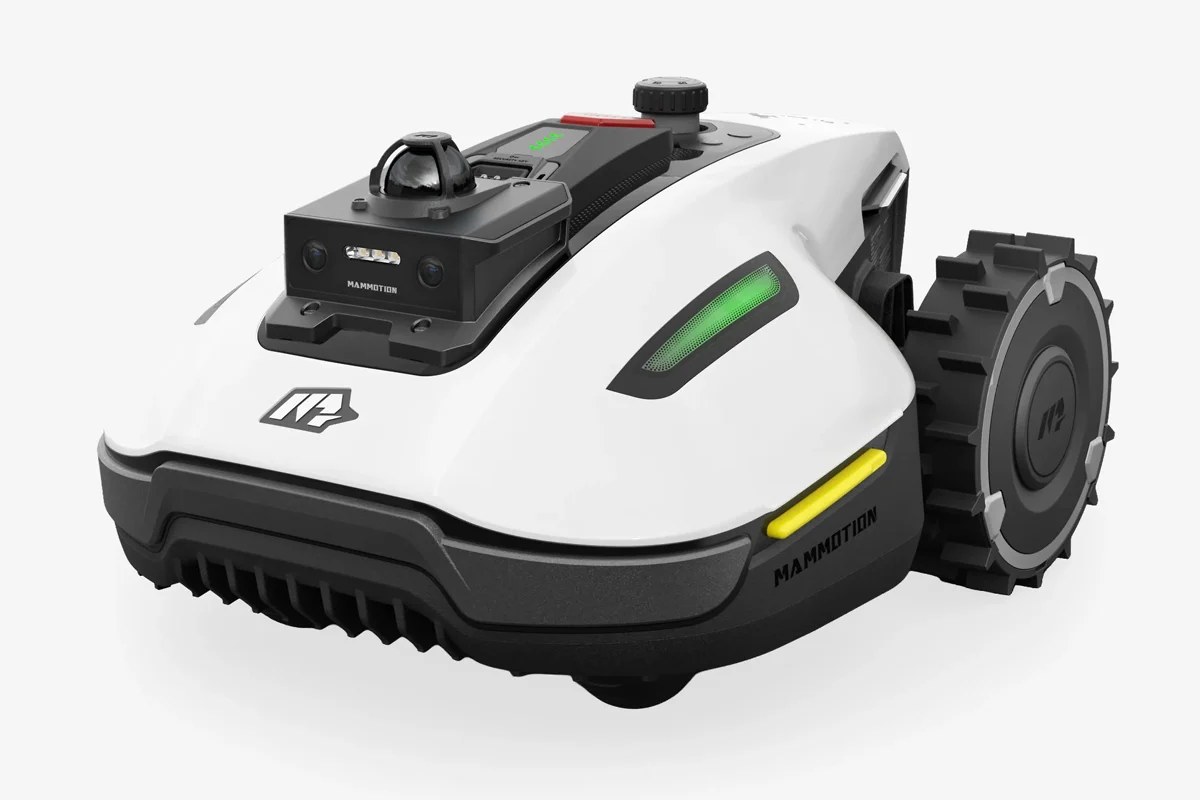
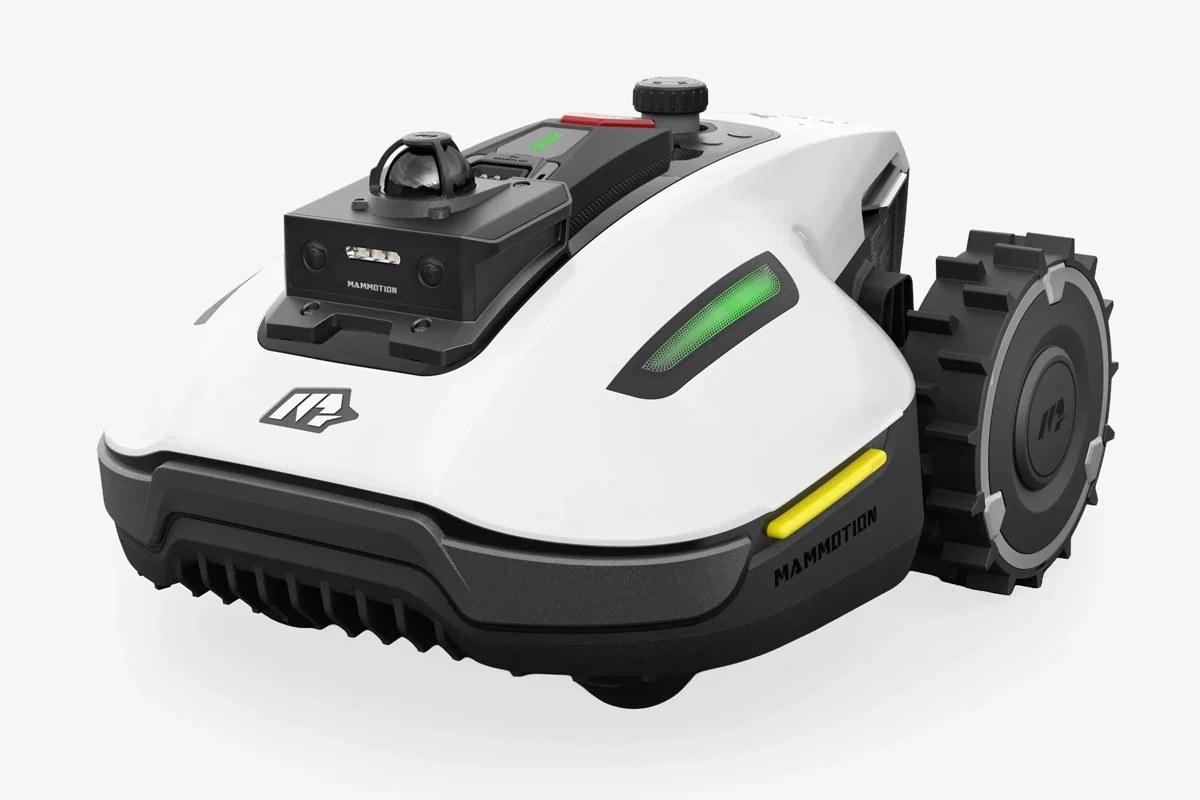
The YUKA mini 2 1000H is a deliberate step back from Mammotion's more elaborate all-wheel-drive machines. The published spec pairs local LiDAR sensing with rear-wheel drive, a 7.5-inch cut and a 2.0 to 3.5-inch height range. On a fairly ordinary small lawn, that can be a better fit than paying for the LUBA family's focus on climbing. Start with the ground the robot actually has to cross.
Keep the 1000H label attached to every spec you compare. Mammotion sells several mini generations and regional versions, and a short retailer title can blur them together. The page lists a 6.1 Ah battery, but capacity alone doesn't tell you daily coverage. Grass resistance, route shape, charging and the number of turns all decide how much useful mowing you get from a charge.
No base station, no AWD, no drama
LiDAR and cameras make it appealing for a yard where an RTK base would be awkward to install, say beside taller buildings or in a garden with few sensible spots for the dock. Still, check the longest route home and the narrowest connection. A mower that maps easily but wastes time every time it docks hasn't solved the whole problem.
Mammotion lists a 45% slope claim for this generation. Don't borrow the original YUKA mini's published slope figure or the LUBA's much bigger one. Rear-wheel drive is fine on plenty of lawns, but soft patches, roots and small holes can unload a wheel or catch the front of the chassis. Filling an avoidable dip may get you a better result than buying a pricier machine to climb out of it.
Narrow deck, tall cut
A narrow deck means more passes than a wide dual-disc mower over the same open area. That's fine with plenty of schedule time and a problem if the lawn is only free in short windows. The high-cut range is a real plus if you don't want a close-shaved finish. What matters is the actual cut height on uneven ground and whether the floating behaviour leaves an even surface.
The source promotes map tools, DropMow and obstacle recognition, while some editing features still carry future timing notes. Confirm what's delivered and the remote-service terms before you buy. Against the LUBA mini 2, the YUKA's pitch is less complexity where AWD isn't needed; against a cheap wired mower, it's easier boundary changes and local sensing. Neither comparison supports a reliability claim without real use. The tests that matter are boundary stability, leftover trimming and whether the smaller machine finishes its real schedule with time to spare.
Judge it on dips, roots and the dock
A YUKA mini 2 trial should focus on the ordinary obstacles that separate a manageable small lawn from a maddening one: shallow dips, roots, a narrow connector and a slightly uneven dock approach. Skip the dramatic hill demos; this is the rear-drive option, after all. See whether a bit of ground preparation clears up most interruptions. And compare complete jobs at your preferred taller setting rather than judging a low-cut showroom demo. The 1000H should earn its place with a consistent finish and a comfortable schedule. Get those, and the lack of AWD is a sensible saving rather than a weakness.
Setting up a rear-drive robot
The 1000H's rear-wheel drive should shape the installation from day one. Put the station on an easy approach and don't make the daily trip home cross a soft or rutted patch. A little ground prep that's easy for a homeowner can remove a recurring headache for a small robot. Look at the front-wheel path at paving transitions and shallow dips before deciding your lawn needs AWD. The whole point of the YUKA mini 2 is getting enough capability without an overbuilt drive system, so cheap fixes to the site belong in the comparison.
The 2.0 to 3.5-inch cutting range is a genuine reason to pick this H version. Choose the height for the lawn you want, not the setting a rival used in its demo. Check that the finish holds up where the wheels meet softer soil and that the cutting system clears uneven ground. The 7.5-inch width also means the schedule needs room for lots of passes. A compact mower can keep a lawn looking great while taking longer to cover the same open area as a broader model. The real question is whether that time clashes with how your household uses the garden.
LiDAR and vision cut out the conventional RTK hardware, but those sensor surfaces still need looking after. Clean off dust, dried water marks and grass debris as the manual directs before blaming a positioning problem on software. Use the correct blade and disc parts for the mini 2, not a lookalike from another YUKA. The published 6.1 Ah battery should prompt a question about replacement availability, not an assumption about lifespan. Ask whether the local seller can supply the pack and diagnose faults without shipping the whole mower across a border.
Mammotion's app offers map and temporary-work features that are handy on a small property. Learn how temporary jobs interact with the main map and see the current editing tools working before you rely on them, since some advertised tools carry future timing notes. Confirm which remote features need extra hardware or an ongoing service in your regional package. Review family permissions and location access, and practise a local stop. Cameras and object recognition don't make active cutting compatible with children or animals sharing the lawn.
Weigh the YUKA mini 2 against both the original YUKA and the LUBA mini 2. The original may cost less installed if its reference station is easy to place, while the LUBA may handle terrain the rear-drive YUKA can't cope with comfortably. Don't pay for either just because its spec sheet is longer. Compare hand trimming, weekly cleaning and rescue time on your actual lawn. A supported, correctly specified YUKA that finishes its schedule with margin beats a flagship whose extra capability adds little to daily life.
Check the front-wheel route after winter
Keep the YUKA mini 2 1000H's regional model and battery details with your seasonal storage notes. Follow the prescribed battery conditions, and when restarting, walk the front-wheel route, since frost or garden work can leave new small dips. Check your preferred tall-cut setting and watch one full cycle before restoring the full schedule. Local sensing means less outdoor hardware to inventory, but the sensors still need to be clean and the map has to match the garden the mower finds in spring.
The closest alternatives.
| Product | Standpoint Score | Best for | Price |
|---|---|---|---|
| Mammotion YUKA mini 2 1000HThis review | 7.6Research | A smaller lawn that benefits from local sensing but does not require the LUBA range’s all-wheel drive. | Amazon.ca ↗ |
| Mammotion LUBA 3 AWD | 7.8Research | A complex lawn where AWD is useful and the buyer is prepared to verify the navigation and height specification of the… | Amazon.ca ↗ |
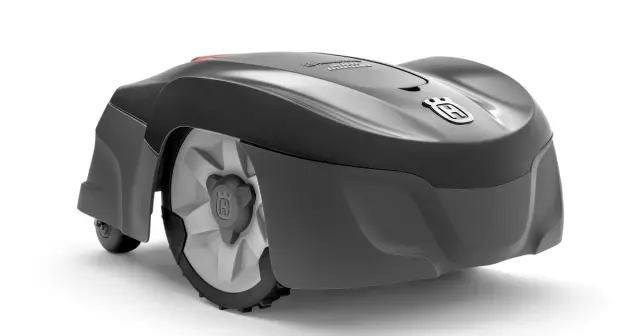
| Husqvarna Automower 115H Bluetooth | 6.1Research | A modest, settled lawn where a supported used mower costs substantially less than a new installation. | Amazon.ca ↗ |
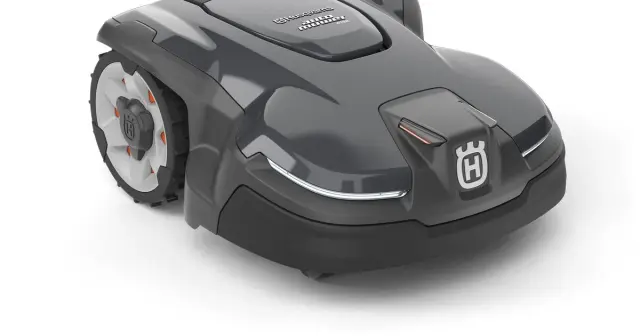
| Husqvarna Automower 415X | 6.6Research | Owners of a small or medium established wired lawn who want connected control and a documented support path. | Amazon.ca ↗ |
Compare scores within a category: Tested means our own use, Research means documentation and attributed outside testing. Price links are affiliate links. As an Amazon Associate, Tech Standpoint earns from qualifying purchases. Disclosure
Sources & further reading.
These are the sources behind this research review. Manufacturer claims are not independent performance measurements. Community accounts, when cited, describe individual experiences.
Product software and regional bundles can change. Corrections and editorial disclosures.
Affiliate link. As an Amazon Associate, Tech Standpoint earns from qualifying purchases. It never changes our verdict or score. Disclosure