An editorial assessment of documented capabilities and ownership trade-offs. This is not a hands-on test result or a measurement of reliability.
Task capability 30%7.6
Quarter-acre capacity adds operating margin over i105N.
Navigation & control 20%7.7
Virtual zones are useful, while physical access constraints remain.
Ownership & upkeep 20%7.2
Regional parts and optional cellular ownership require planning.
Setup & usability 15%7.4
Suitable antenna and connecting routes are essential.
Documentation & support clarity 15%7.8
Regional height and control differences are explicitly documented.
Compare scores within the same product category. Small decimal differences should not override your needs or the evidence limits.
How the Standpoint Score works
We score five aspects of the documented product on a 0–10 scale, then calculate a weighted total:
- Task capability30% of the total
- Navigation & control20% of the total
- Ownership & upkeep20% of the total
- Setup & usability15% of the total
- Documentation & support clarity15% of the total
This product’s 7.5/10 is a provisional research assessment. It does not claim measured performance, tested reliability or a verified customer satisfaction rate. Compare it with products in the same category, and read each criterion’s reasoning above.
Read the full rubric and score bands ↗The ownership case.
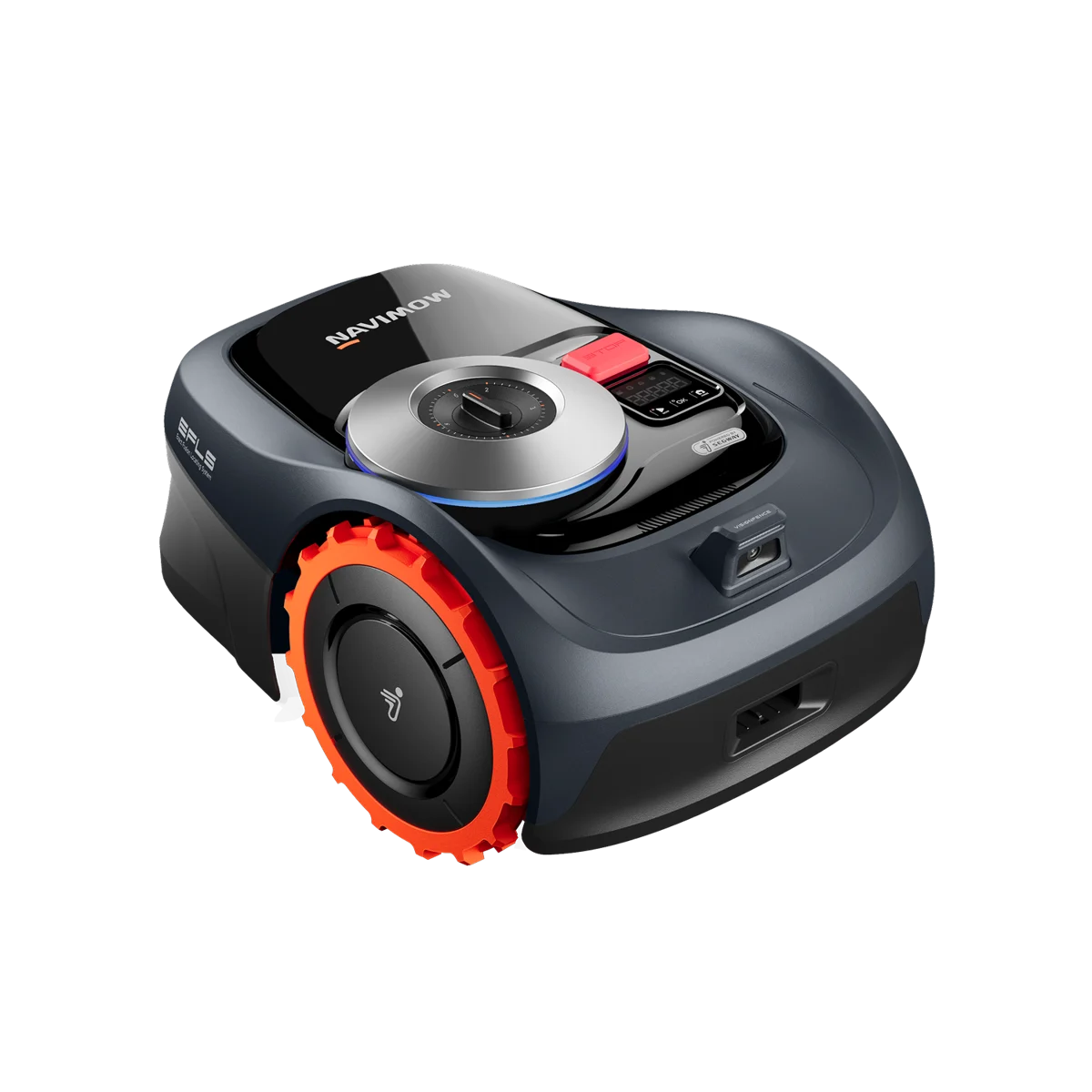
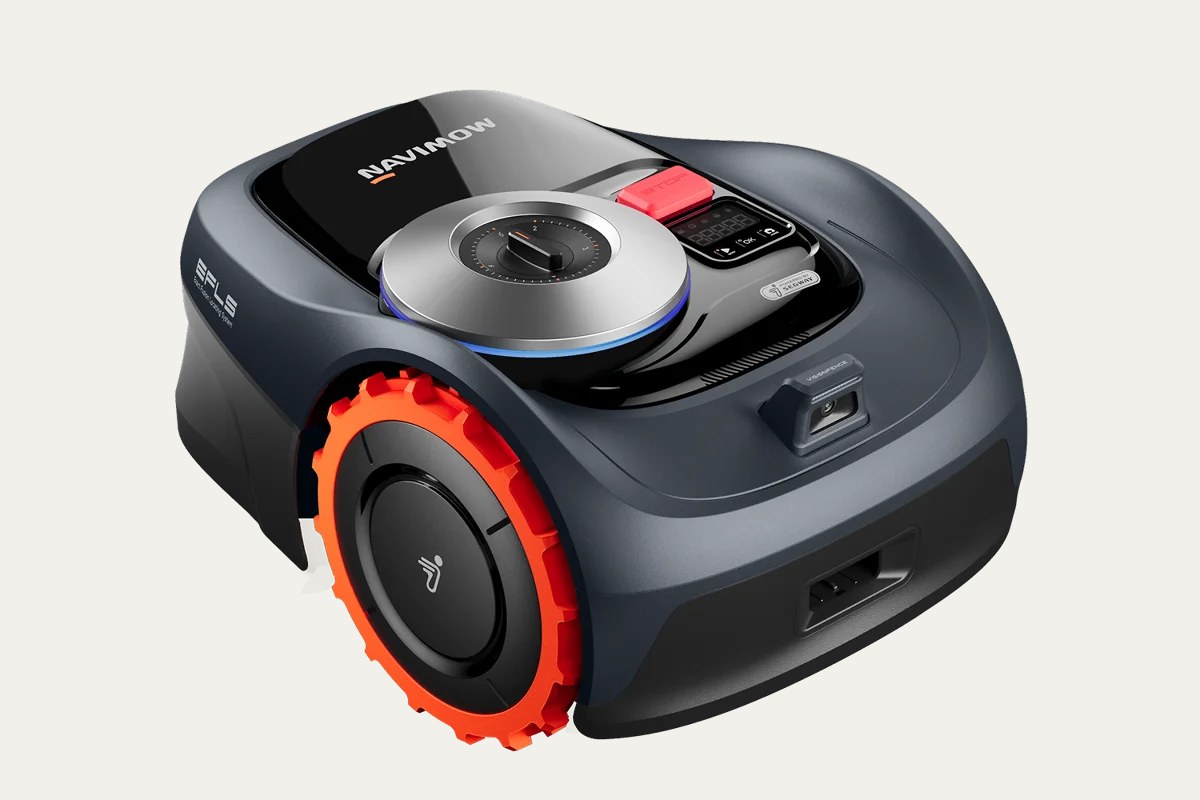
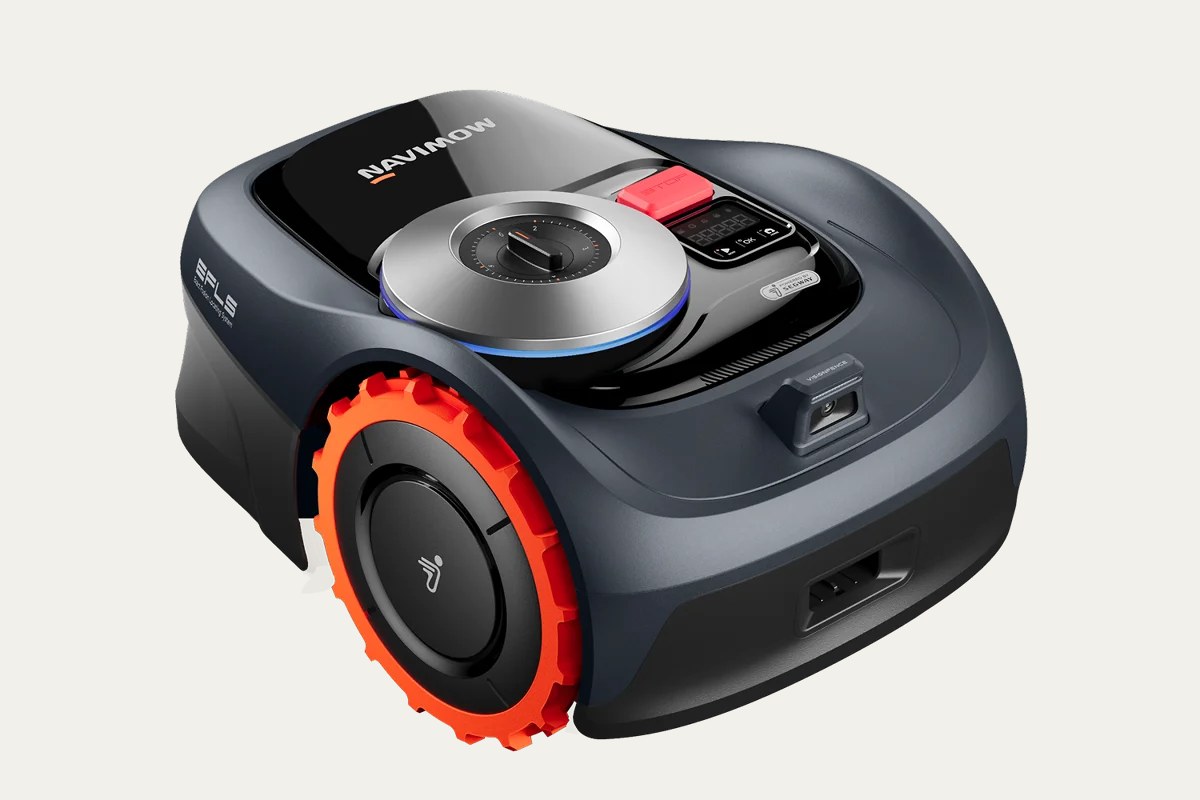
The i110N is the more spacious operating proposition in the original i-series pair. It is worth choosing for a real scheduling or capacity need, while recognising that a larger rating does not solve difficult signal geometry or physical access.
Reasons to consider it
- Quarter-acre published rating
- Useful margin above i105N
- App-managed virtual areas
Go in knowing
- Same physical access constraints as smaller models
- Manual height control
- Optional connectivity can add cost
The specification sheet.
Published specifications from the linked sources. Configurations and availability can differ by country.
- North American area rating
- 0.25 acre
- Cutting-height range
- 2.0–3.6 in
- Height adjustment
- Manual top knob
- Boundary system
- Virtual, satellite and vision positioning
- Remote cellular access
- Optional Access+ module
More room in the schedule, not a different garden
The i110N raises the original i-series area proposition to 0.25 acre. Its most persuasive use may be a lawn smaller than that limit, leaving time for weather interruptions and household activities. Buying exactly at a capacity ceiling can make the garden feel permanently occupied by its mower. Spare operating margin is a practical feature even though it is less photogenic than a new sensor.
The i110N retains the North American 2.0–3.6-inch cutting-height range and manual top-knob adjustment documented by Navimow support. That makes it useful to an owner who wants a relatively tall finish, but less suitable for someone expecting electronic height changes for each zone. Check the N suffix and the local specification on a used or imported machine. The similarly named European models should not be treated as identical.
Front and back lawns need an access plan
A divided suburban property is an obvious use case, yet it is also where the installation can become difficult. Virtual work areas need reachable routes between them. A closed gate, parked car or narrow passage can prevent completion even when the total turf is comfortably within the rating. We would map those constraints before selecting a model and would avoid making daily gate opening an invisible part of the automation promise.
The satellite-and-vision positioning approach benefits from a sensible antenna location. A larger battery or area allowance cannot compensate indefinitely for poor reception in the route the robot must use every day. Test transitions beside buildings and beneath trees, then confirm dependable docking. The machine's behaviour when a route becomes unavailable is as important as how neatly it follows a route in ideal conditions.
Where the upgrade earns its price
The i110N should be compared with the i105N using complete mowing cycles on the intended lawn, not appearance. We would record charge interruptions, elapsed time to finish all areas, and the percentage of planned tasks that complete without help. If the smaller machine already finishes comfortably, spending more may bring little visible improvement. If it runs near its limit, additional capacity can materially improve the owner's freedom to pause.
The original i-series also needs a realistic edging expectation. Ride-on treatment is useful only where the boundary can safely be straddled; raised walls and fences still need assessment. Optional cellular functions should be costed separately and reviewed at renewal. Our recommendation would depend on the complete installed price, support terms and practical edge workload. We have not tested this unit's cut quality, object avoidance or battery ageing, so the research case remains a conditional one tied to a suitable property.
A practical acceptance test before relying on it
For the i110N, map a representative route between the largest and smallest work areas and assess whether transporting the mower is ever required. If a gate must be opened manually, include that action in the weekly workload. Then verify the cutting-height knob setting against the actual desired finish; it is easy to assume an app-managed robot will also change height automatically. We would check the notification path from the farthest part of the lawn and confirm which functions depend on the optional cellular module. These details make the difference between a convenient quarter-acre mower and one whose autonomy depends on several unacknowledged household chores.
Setup, maintenance and the ownership decision
The i110N often invites a front-and-back installation, making access planning central to ownership. Map the route a mower can actually use while the household is living normally. If a gate is routinely locked or a driveway occupied, incorporate that fact into the schedule rather than expecting virtual zones to overcome it. We would prefer a slightly longer reliable route to a short one that requires daily assistance. The quarter-acre rating has value only when the machine can reach the quarter acre. Keep the initial map conservative and record any boundary changes that are made after observing the first week.
The manual height knob should be included in the household handover. An owner wanting different heights in separate areas needs to understand the physical adjustment routine rather than assume all zone settings are electronic. Confirm the N-model range on the delivered machine and avoid importing lower European settings from another review. Inspect the cut around soft ground and paving transitions, where wheel position can affect the finish. A higher setting may suit the grass, but the mower still needs regular blade care and an appropriate initial lawn condition to maintain it neatly.
Optional cellular access should be evaluated against the actual location of the work. A mower behind a detached building may benefit from away-from-home status, while a small visible lawn may not justify the same service. Ask which location and alert functions depend on the Access+ module and what renewal entails. Test useful notifications instead of assuming that every app message reaches every family device. Account security also matters on resale: remove old users, verify recovery details and keep credentials private. We have not assessed the software's network behaviour or data retention.
Routine upkeep should include a clean sensor view, free-moving wheels and an unobstructed charging approach. Follow the model's procedure for isolating power before changing blades or removing tangled material. Use the correct disc, screws and battery rather than treating every Navimow i-series part as interchangeable. On a quarter-acre property, small amounts of wet grass can accumulate over many repeated cycles, so record cleaning time during the evaluation. The goal is a maintenance routine that is predictable enough for the household, not an assertion that a robot removes all lawn-care chores.
The i110N's additional capacity should create spare time rather than merely cover a larger number on paper. Leave room for poor weather and days when the lawn is occupied. Compare local service and replacement-part availability with newer models before choosing old stock solely for a discount. A well-supported i110N can remain attractive if it finishes the required work and the antenna arrangement is stable. If the troublesome feature is steep ground or an unreliable shaded corridor, moving to this larger original i-series model may leave the main problem unchanged. That is a reason for a different design, not necessarily a larger battery.
Seasonal storage and return to work
For i110N, photograph connecting routes before shutdown and compare them at spring restart. A gate or paving transition may have changed while the robot was stored, and the quarter-acre plan depends on access remaining available. Follow the regional battery procedure and restore the top-knob height setting deliberately. Recheck family app access after phone changes and verify a full task across all zones. This simple handover helps preserve the scheduling margin that made the larger original i-series model worth buying.
Sources & further reading.
These are the sources behind this research review. Manufacturer claims are not independent performance measurements. Community accounts, when cited, describe individual experiences.
- Segway Navimow i110N — official manufacturer product information ↗manufacturer
- Navimow support — regional i-series cutting-height adjustment ↗support
Documentation reviewed: 9 October 2026. Product software and regional bundles can change. Corrections and editorial disclosures.