An editorial assessment of documented capabilities and ownership trade-offs. This is not a hands-on test result or a measurement of reliability.
Task capability 30%8.2
Compact AWD and a dedicated edge disc target genuine small-lawn difficulties.
Navigation & control 20%8.3
LiDAR and dual cameras offer an appealing local-sensing arrangement.
Ownership & upkeep 20%7.0
Extra cutting hardware introduces additional upkeep and compatibility questions.
Setup & usability 15%7.8
No local RTK antenna simplifies one important installation task.
Documentation & support clarity 15%6.6
Rollout timing and closely named generations need verification.
Compare scores within the same product category. Small decimal differences should not override your needs or the evidence limits.
How the Standpoint Score works
We score five aspects of the documented product on a 0–10 scale, then calculate a weighted total:
- Task capability30% of the total
- Navigation & control20% of the total
- Ownership & upkeep20% of the total
- Setup & usability15% of the total
- Documentation & support clarity15% of the total
This product’s 7.7/10 is a provisional research assessment. It does not claim measured performance, tested reliability or a verified customer satisfaction rate. Compare it with products in the same category, and read each criterion’s reasoning above.
Read the full rubric and score bands ↗The ownership case.
The mini 2 combines an attractive local-sensing setup with AWD and an additional edge disc. Its strongest case is a compact difficult lawn; edge finish, turf disturbance and delivered software still need real-world verification.
Reasons to consider it
- LiDAR setup without a local RTK antenna
- AWD in a compact format
- Dedicated edge disc
Go in knowing
- Software timing notes require confirmation
- Edge finish is untested
- High slope claim does not cover every surface
The specification sheet.
Published specifications from the linked sources. Configurations and availability can differ by country.
- Navigation
- 360-degree LiDAR and dual-camera vision
- Published area
- 0.37 acre
- Drive
- All-wheel drive
- Slope claim
- 80% / 38.6°
- Edge system
- Separate edge cutting disc
- Connectivity offer
- Built-in 4G with an advertised included period
A smaller lawn can still need serious traction
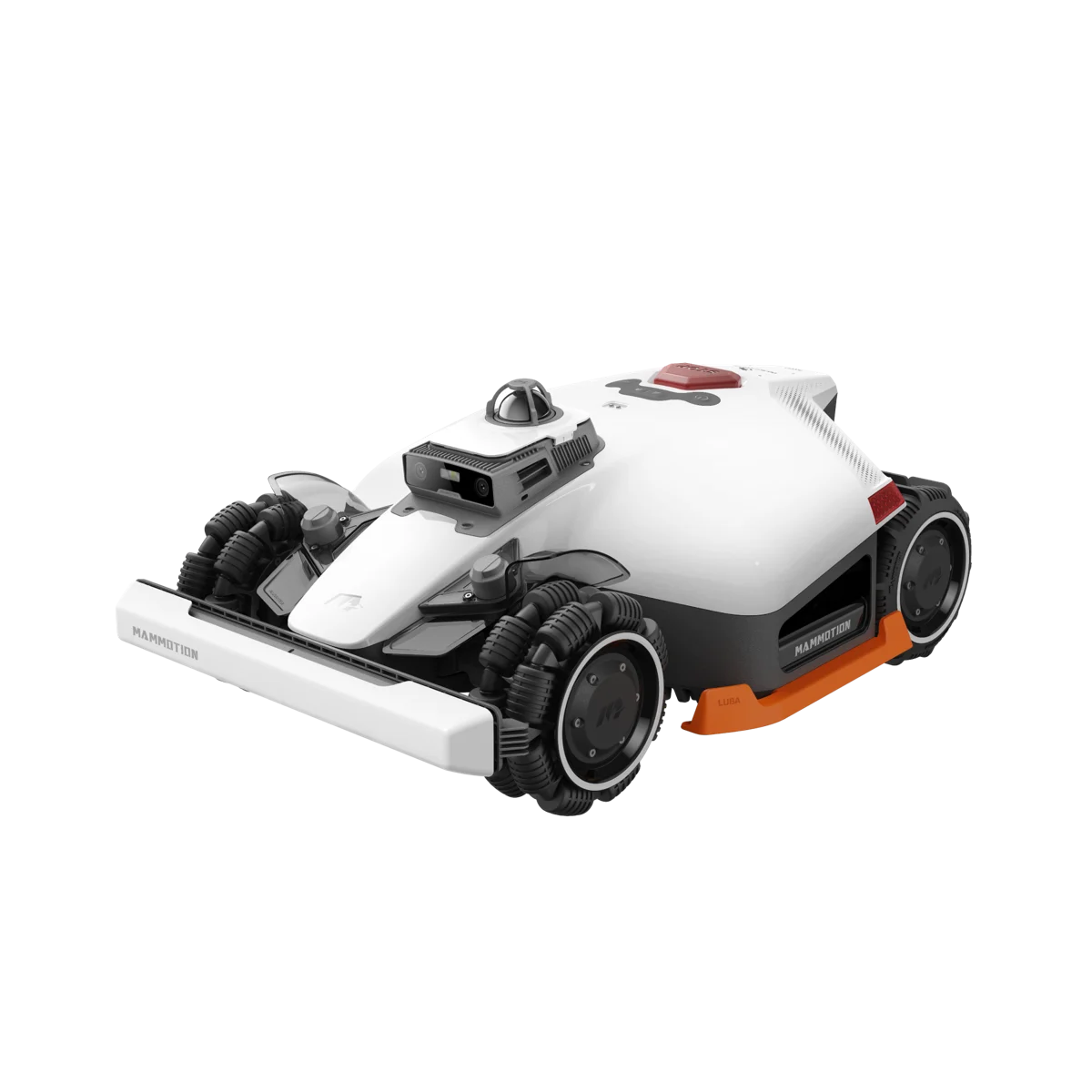
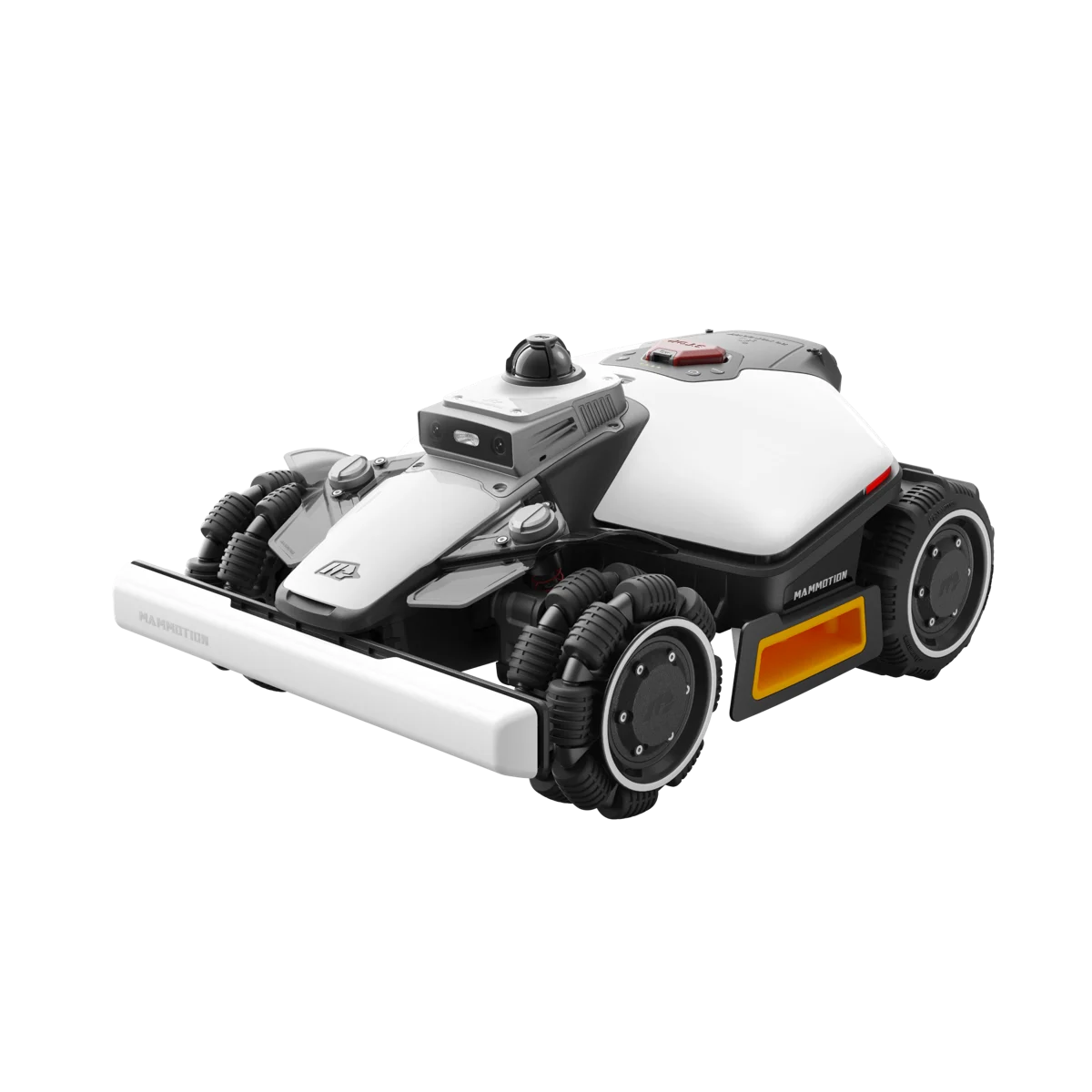
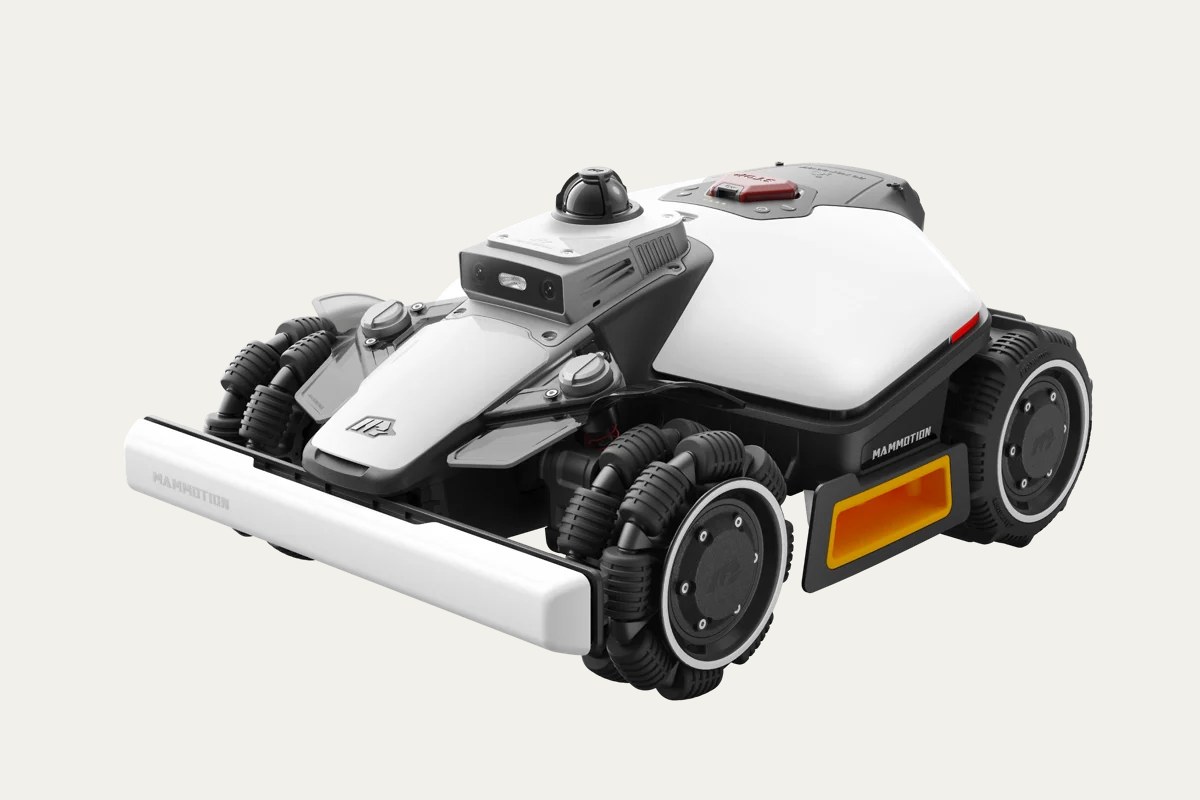
The LUBA mini 2 AWD 1500 targets a useful problem: a lawn that is not large enough to justify a flagship estate mower but still contains banks, uneven ground and awkward edges. The reviewed US page combines 360-degree LiDAR, dual cameras and AWD for a published 0.37-acre area. It is therefore a different installation proposition from the original RTK-equipped LUBA mini, despite the similar name.
The separate edge cutting disc is another important change. Bringing a cutting element closer to a border could reduce follow-up trimming, but the final result depends on border geometry and operating behaviour. A flush path, raised fence and curved planting bed should be treated as different tests. We would measure the remaining strip and compare the edge's height with the main lawn before describing the feature as a replacement for manual edging.
Read the dramatic slope claim carefully
Mammotion advertises an 80% slope capability, approximately 38.6 degrees. That is a gradient claim, not permission to operate beside a drop or to assume the same grip on wet grass. The practical challenge on a compact sloping property is often turning and crossing changes in grade. We would begin with conservative work boundaries, observe recovery on uneven ground, and inspect the turf where repeated manoeuvres concentrate wheel loads.
LiDAR removes the need to find a suitable location for a conventional RTK reference station in this configuration. It does not eliminate the need to map and validate the lawn. Objects can move, hedges can grow, and a charging approach can become cluttered. The best installation is one where these everyday changes do not force constant remapping. That reliability cannot be inferred from the advertised sensor range or point-cloud rate.
An appealing design with software details to settle
The product page includes timing notes for LiveMap and straight-line adjustment, with rollout language that should be checked against the actual firmware. Buyers should ask for a demonstration of any feature central to their decision. A promised map tool is different from a function available on the mower in the box. The included 4G offer also needs its terms checked, particularly if remote access is part of the reason to buy.
Compared with YUKA mini 2, the decisive justification is terrain and the edge hardware. Compared with full-size LUBA 3, the attraction is fitting a smaller working area without paying for unused coverage. Our hands-on priorities would be edge consistency at different cutting heights, narrow-corner turns and how much cleaning the extra disc requires. We would also record interventions per week, because a machine can demonstrate impressive climbing while still needing too much help in a specific garden.
A practical acceptance test before relying on it
The separate edge disc deserves a dedicated acceptance exercise on the mini 2. Use a safe straight border and a curved border, measure the remaining strip, and compare the cut height with the adjacent main lawn. Repeat at another approved height setting. This tests whether the extra mechanism reduces follow-up work without creating a visibly mismatched band. Then inspect cleaning access around both cutting systems with the mower isolated as instructed. The feature's value includes the maintenance it adds. For a compact lawn, saving a few minutes of trimming may be worthwhile, but only if the additional care and adjustments do not consume the same time.
Setup, maintenance and the ownership decision
The mini 2's local-sensing installation can avoid a separate reference-station mounting job, but its charging location still deserves a careful survey. Leave an uncomplicated approach and check that the mower can recognise the surroundings from the least convenient part of the lawn. A dock tucked beneath crowded garden furniture may undermine the apparent simplicity. During handover, practice a partial boundary correction and verify which LiveMap and editing functions are actually available. The source's rollout notes mean the owner should distinguish current tools from future promises rather than expect an unavailable feature to repair an awkward first map.
The edge disc adds another maintenance and compatibility question. Obtain the exact replacement blades, mounting instructions and inspection routine for both cutting assemblies. A blade kit that fits the main disc may not automatically address the edge system. We would inspect grass wrapped near the smaller cutter and observe whether its clearance changes beside curved borders. The extra mechanism should be assessed on net work saved: reduced manual trimming minus the time spent checking, cleaning and adjusting it. A small lawn may not generate enough edge work to make every additional mechanical feature worthwhile.
AWD and a compact body can be valuable on uneven ground, yet repeated turning points need inspection. Watch the approach to the dock and narrow connectors for soil disturbance, especially where the mower takes the same route frequently. Avoid treating the 80% headline as a target to seek out. The owner should map safely within the actual instructions and preserve adequate margins at drops or water. A machine with impressive climbing ability can still be poorly suited to a particular boundary. We would favour an installation that rarely requires rescue over one that demonstrates its limits every day.
The advertised built-in 4G offer should be recorded with its included period and renewal terms. Remote status is useful when the mower works behind the house, but the owner should still know how to stop and recover it locally. Review live-view permissions and family sharing so that the device does not remain tied to an installer's account. Cloud map storage can be convenient after changing phones, while also making account recovery part of the ownership plan. We have not tested the privacy or security implementation and would not infer it from a general assurance on the product page.
Keep the full name, including 1500 and any H designation, attached to service enquiries. The original mini AWD, mini AWD LiDAR and mini 2 can appear together in accessory listings despite important differences. Ask the seller for a regional battery and dock replacement route before the return window ends. The most persuasive purchase is a compact lawn that needs both traction and improved edge access. If only one of those problems exists, compare simpler alternatives and the cost of correcting the garden itself. Filling a troublesome depression or improving a border can sometimes save more effort than another feature.
Seasonal storage and return to work
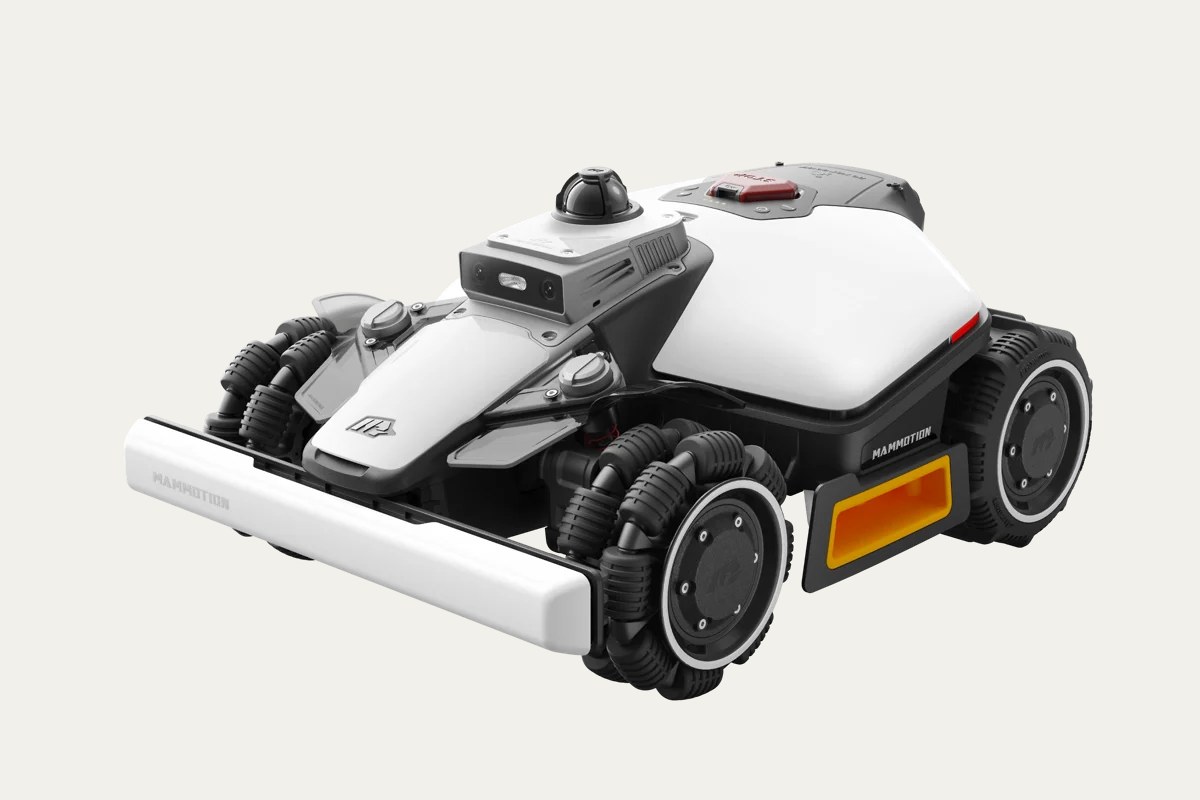
The mini 2's seasonal inspection should include both cutting assemblies, with particular attention to the separate edge disc and its approved replacement parts. Record preferred main-lawn settings before storage so that an edge-height comparison can be repeated on restart. Follow the exact battery procedure and clean sensors as directed. Observe the first boundary passes after winter rather than immediately resuming a complex schedule. A small change in a paved edge or flower bed can alter the usefulness of the feature that justified this model.
Sources & further reading.
These are the sources behind this research review. Manufacturer claims are not independent performance measurements. Community accounts, when cited, describe individual experiences.
Documentation reviewed: 9 October 2026. Product software and regional bundles can change. Corrections and editorial disclosures.