An editorial assessment of documented capabilities and ownership trade-offs. This is not a hands-on test result or a measurement of reliability.
Task capability 30%7.3
Compact H variants suit routine small-lawn work with sensible capacity margin.
Navigation & control 20%7.5
RTK and vision support virtual areas and ride-on edges.
Ownership & upkeep 20%7.0
Detachable battery concept is useful; variants and services need confirmation.
Setup & usability 15%7.0
Reference-station hardware adds installation work compared with mini 2.
Documentation & support clarity 15%6.9
Battery and regional variant distinctions require attentive reading.
Compare scores within the same product category. Small decimal differences should not override your needs or the evidence limits.
How the Standpoint Score works
We score five aspects of the documented product on a 0–10 scale, then calculate a weighted total:
- Task capability30% of the total
- Navigation & control20% of the total
- Ownership & upkeep20% of the total
- Setup & usability15% of the total
- Documentation & support clarity15% of the total
This product’s 7.2/10 is a provisional research assessment. It does not claim measured performance, tested reliability or a verified customer satisfaction rate. Compare it with products in the same category, and read each criterion’s reasoning above.
Read the full rubric and score bands ↗The ownership case.
The original YUKA mini remains a plausible compact mower when the exact H variant and installation fit the lawn. It should be bought for today’s operation and support, not confused with the LiDAR-based mini 2.
Reasons to consider it
- Compact format
- RTK installation hardware listed
- Multiple zones and ride-on boundary mode
Go in knowing
- Different from mini 2
- Battery varies by option
- Level-border requirement for ride-on cutting
The specification sheet.
Published specifications from the linked sources. Configurations and availability can differ by country.
- Reviewed family
- Original YUKA mini H, 600H and 800H options
- Installation kit
- RTK reference station listed
- Zone management
- Up to 15 zones advertised
- 800 battery
- 6.1 Ah published
- Slope claim
- 50% / 27°
- Approximate published weight
- 23 lb
An original mini with a different installation story
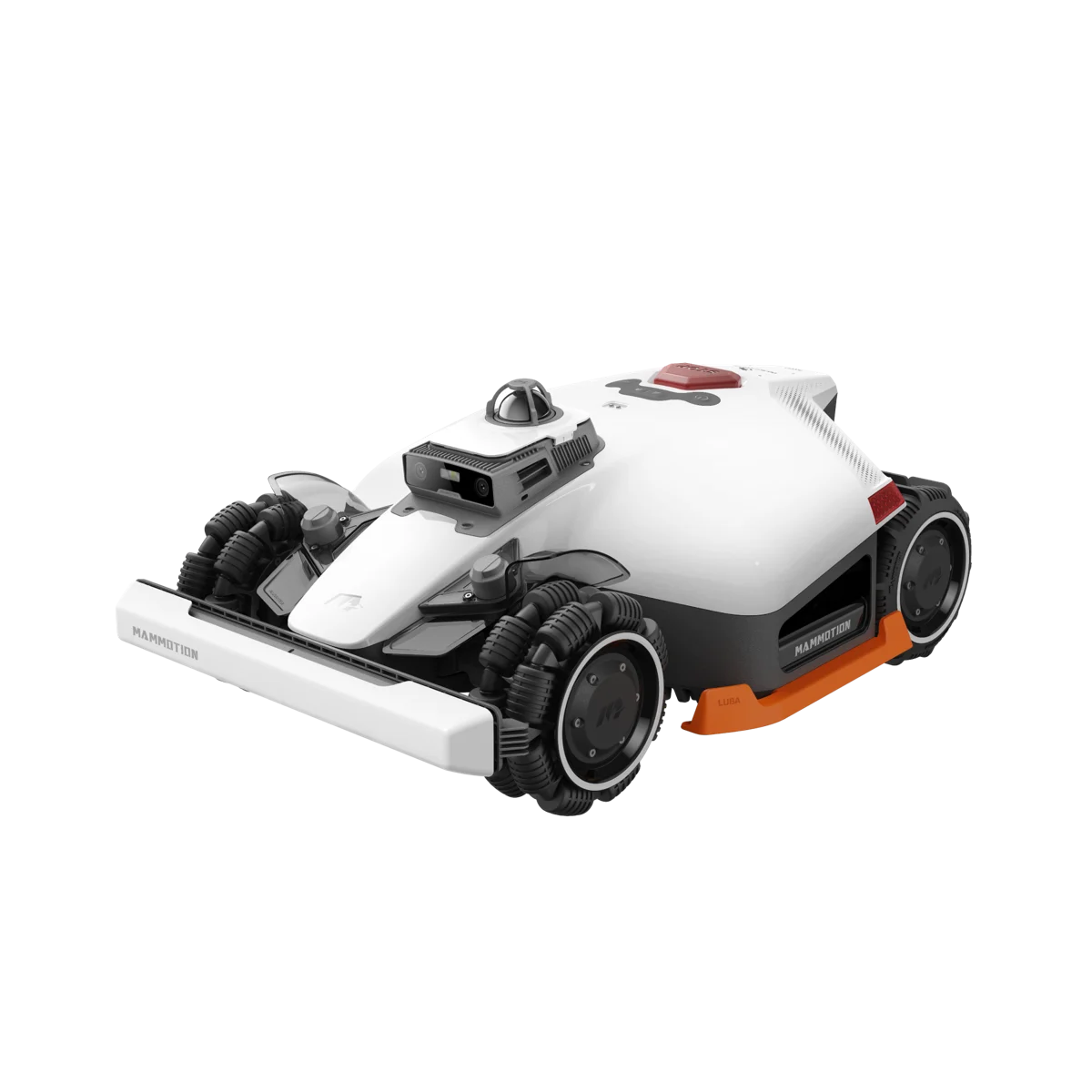
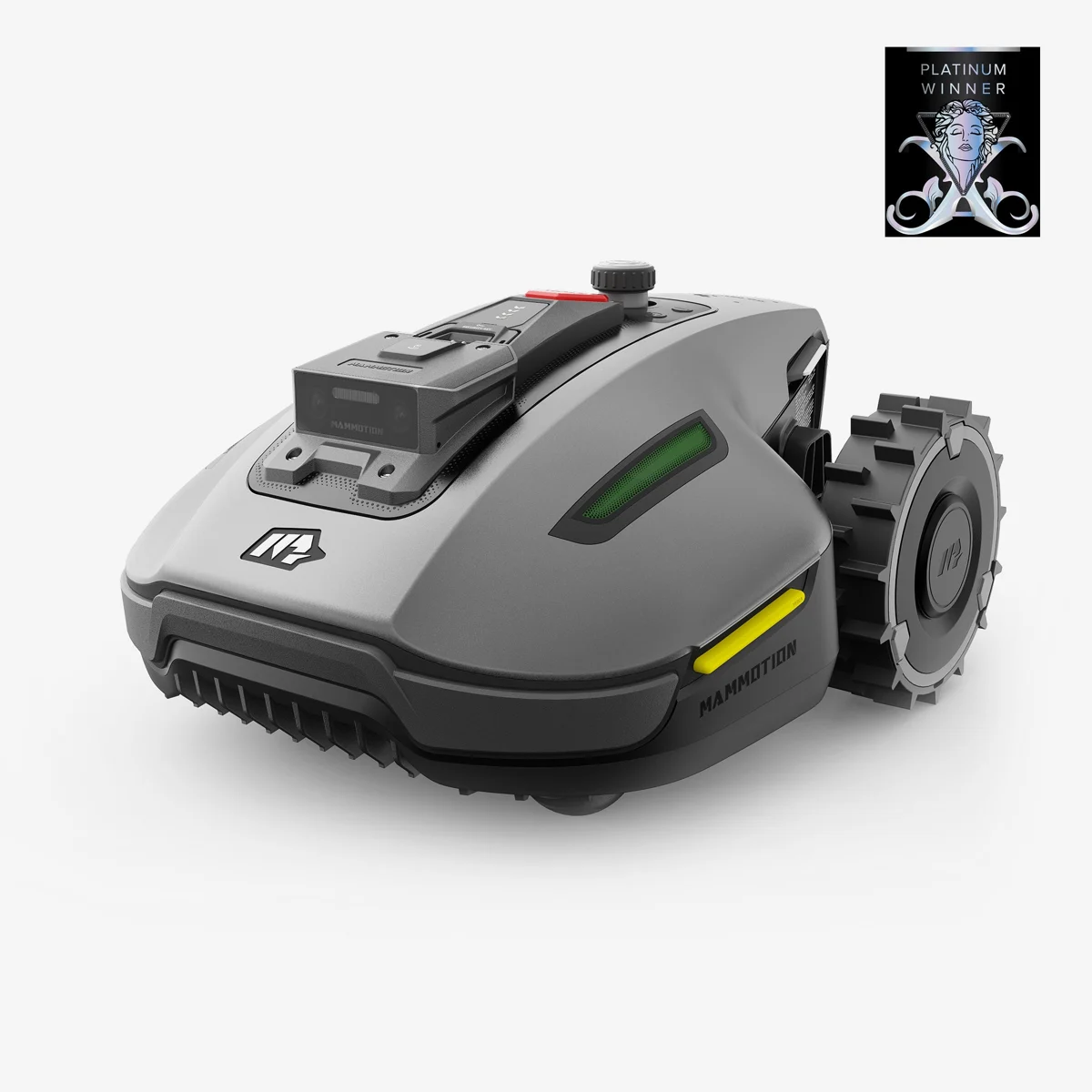
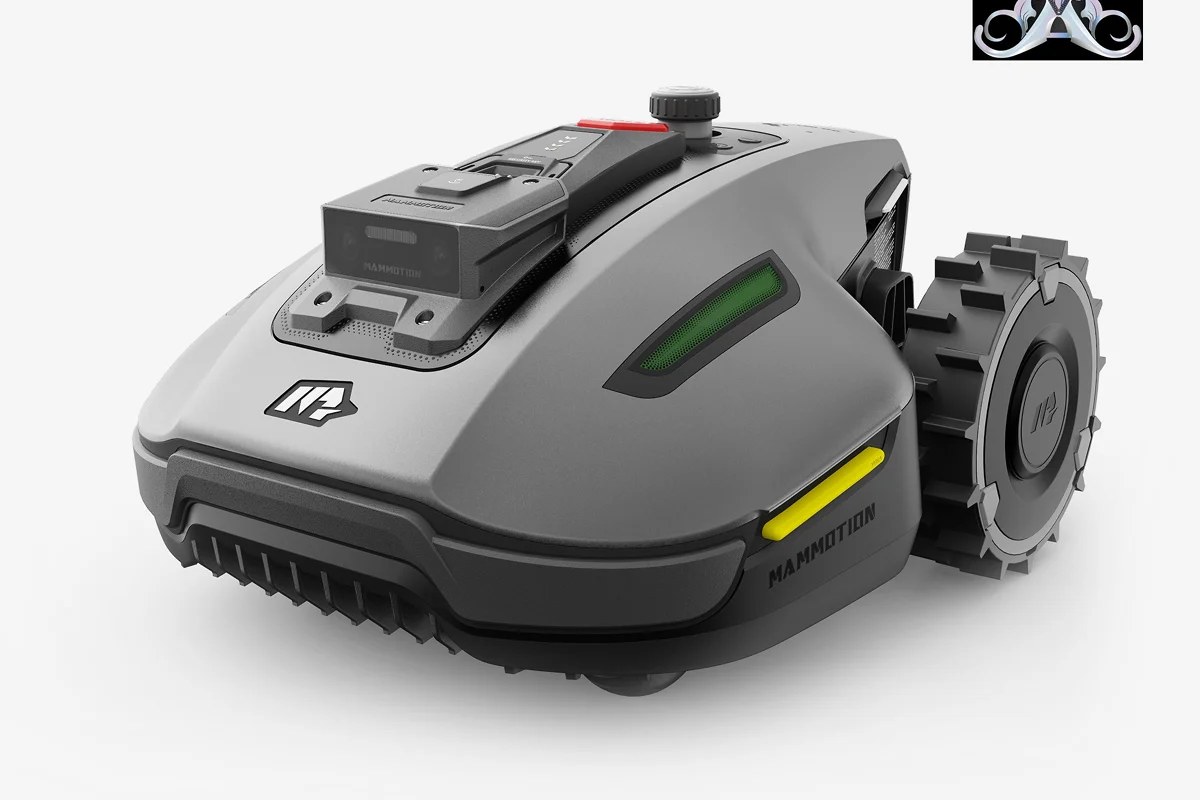
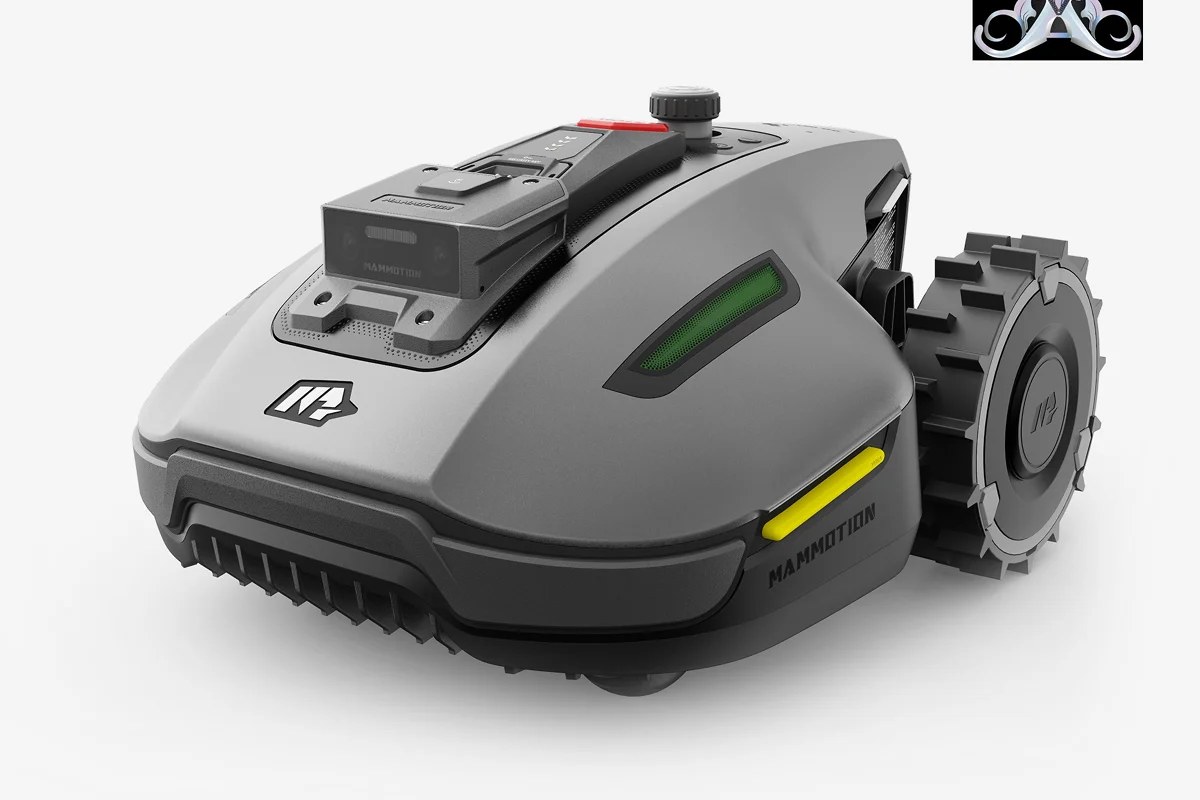
The original YUKA mini uses a package that includes an RTK reference station, antenna and related power hardware. That makes it meaningfully different from the newer mini 2's local-sensing proposition. A discounted original can be attractive, but the savings need to account for installation and the suitability of the reference station location. The review covers the H family shown on the US page, rather than silently applying European specifications.
The manufacturer lists 600H and 800H options and gives the 800 a 6.1 Ah battery. Do not assume that every mini in a listing includes that battery. The exact variant should be matched to the real lawn area and available operating hours. A larger pack can reduce charging interruptions, but it cannot fix a blocked passage, a poor dock position or a boundary that has been drawn too tightly.
The border is where convenience is decided
Mammotion promotes ride-on boundary mowing with a level-path qualification. That qualification is important: a flush hard surface can let a mower straddle the edge, whereas a fence or raised bed cannot. We would map and measure those edge types separately. Calling a system corner-to-edge capable does not tell an owner how much string trimming remains around a mature garden.
The published 50% slope claim also should not be confused with guaranteed traction in every condition. The compact body and roughly 23-pound listed weight may make recovery and storage manageable, yet small ruts and soft areas can still determine success. We would observe the front wheel at transitions, then inspect repeated turning points after several weeks. This is a more useful test of lawn friendliness than assuming that a light machine cannot disturb turf.
What makes the older version worth keeping
Up to 15 advertised zones can be useful for separating front and back lawns, but a zone count is only valuable when the routes between them remain open. Set schedules around gates and household activity. The app's pattern tools and voice integrations are secondary to reliable mowing, docking and error notification. Owners should be able to understand a stopped task without having to search through several screens.
The page also promotes live viewing and location-related theft functions. Confirm which require an optional cellular component or paid service, and verify how ownership transfers if buying used. Compared with YUKA mini 2, the original's appeal is principally its total installed cost and known fit to a particular lawn. We would choose the newer sensing approach only when it solves a real problem, and reserve judgement on the original's value until comparing the remaining edge work, charging cycles and assistance required over a representative month.
A practical acceptance test before relying on it
For the original YUKA mini, verify the exact battery option and the reference station before a comparative test. Then schedule a complete front-and-back routine with the connecting gate in its normal position. This reveals whether the advertised multi-zone control fits the household, not just the map. We would separately record the time needed for manual work beside raised borders, since ride-on edge operation only helps where the surface permits it. A discounted original is most convincing when these practical tasks are already manageable. If the main frustration is antenna placement, the newer LiDAR-based design may address a more important problem than a small price difference.
Setup, maintenance and the ownership decision
The original YUKA mini's supplied RTK equipment is part of its ownership footprint. Plan the reference station, power routing and charging position before unboxing everything on the lawn. The useful question is whether these components can remain stable through normal gardening and seasonal storage. A temporary pole location that looks convenient during setup may become a nuisance when plants grow or access is needed. Save photographs of the final arrangement and label the power supplies. This makes later fault diagnosis and spring recommissioning less confusing, particularly if someone else in the household stores the equipment.
Battery and height variants must be checked individually. The 800's 6.1 Ah claim should not migrate into an assessment of a cheaper 600H listing. Ask the seller to identify the exact pack and replacement route, and keep the model label with the purchase record. A detachable-battery design can simplify some ownership tasks only if the correct part remains accessible. The same caution applies to charging stations and wheels shared or renamed across YUKA generations. Accessory descriptions should identify compatibility explicitly rather than relying on the word mini or a familiar-looking product image.
The ride-on boundary feature is most useful where level paving permits the mower to straddle the grass edge. Map those sections separately from walls, fences and beds that need more clearance. During evaluation, count the time spent trimming the latter rather than treating the best border as representative of the whole garden. The floating disc and planned route are useful design elements, but inspect the finish around small holes and raised roots. A compact front wheel can encounter problems that do not appear in broad promotional lawn footage. Site preparation may be part of achieving a reliable result.
The app's zones, patterns and voice integrations can become more complicated than necessary. Start with a manageable schedule for the real front and back areas, then add features only when they reduce work. Live monitoring and GPS-related security functions need an exact explanation of connectivity requirements. Confirm whether the package includes the cellular hardware needed for the functions you expect away from home. Review account ownership and family access, especially when buying used. Do not assume a remote view or geofence alert replaces safe boundaries and physical separation from people, animals or vehicles.
The original model should be priced against its complete installation, not simply a discounted mower body. Add mounting accessories, any desired connectivity service, blades and a realistic repair allowance. Canadian buyers should ask where warranty returns go and whether shipping is covered under the local terms. If the garden supports RTK easily and the mower's capacity leaves room in the week, the original can remain a sensible choice. If the principal problem is unreliable positioning beneath buildings or trees, repeated tweaking may be less attractive than choosing a different sensing approach from the outset.
Seasonal storage and return to work
Store the original YUKA mini's positioning accessories in an organised way wherever the manual requires seasonal removal. Label the reference-station supply separately from charging equipment and preserve the installation photographs. At restart, confirm the original 600H or 800H identity when checking battery guidance and replacement parts. Revisit ride-on boundaries after winter, because previously level paving may have shifted. A successful first straight pass is insufficient; confirm the connection between zones and a dependable return before leaving the mower to its usual routine.
Sources & further reading.
These are the sources behind this research review. Manufacturer claims are not independent performance measurements. Community accounts, when cited, describe individual experiences.
Documentation reviewed: 9 October 2026. Product software and regional bundles can change. Corrections and editorial disclosures.